This is common throughout the world, and Carnaval itself is thought to derive from pre-Christian festivals of Greece and Rome.
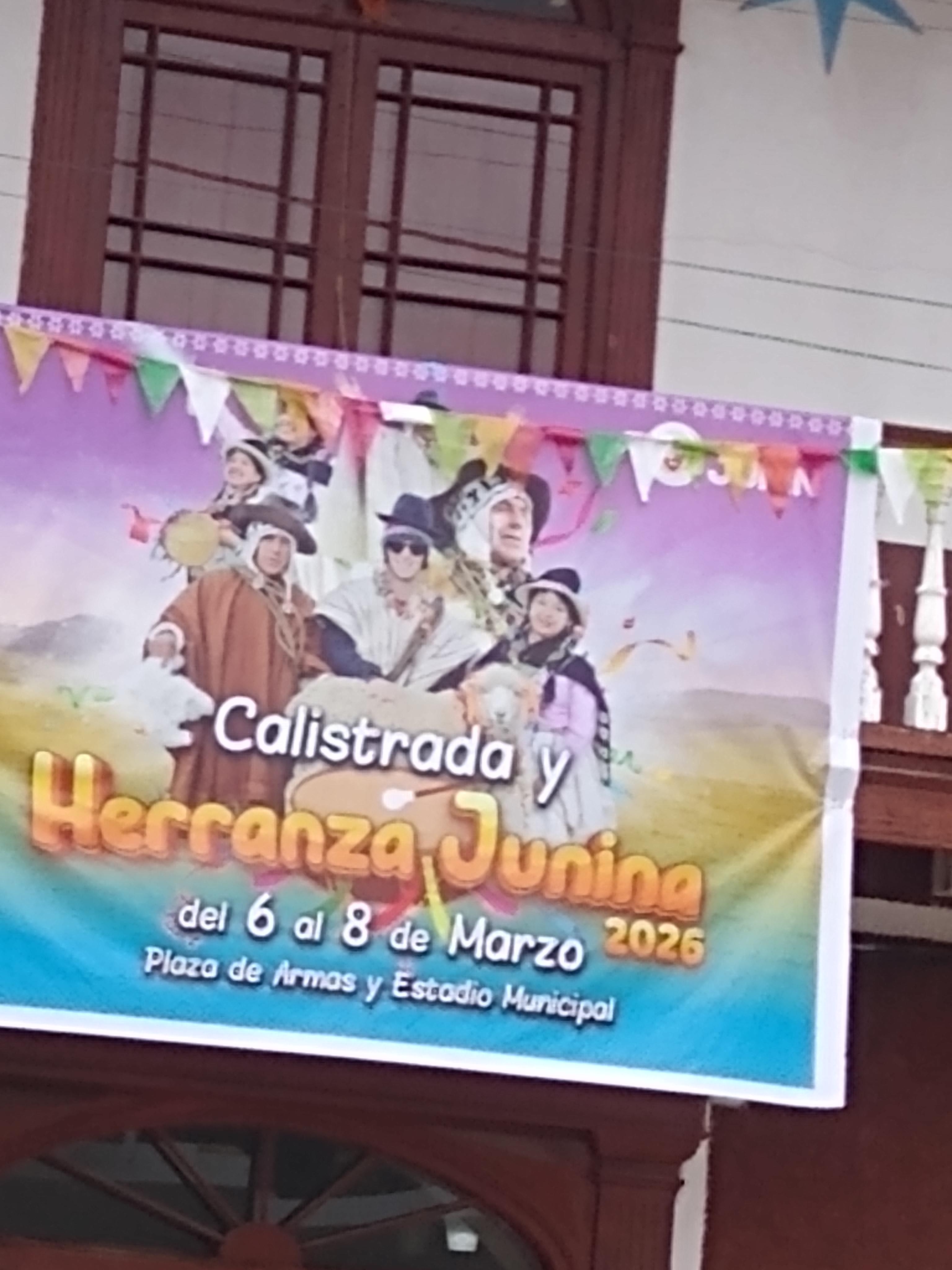
This tradition is tied to the Catholic faith of the majority of Peruvians. In many places in Peru, such as in Cajamarca, Carnaval is still very much Chirstian in its overtones and symbolism, but in Junín, the tradition is much more influenced by its Quechuan and Incan roots. I'm unsure as to why Junín has a stronger Quechuan influence, but it might stem from being more isolated and colder than a lot of the surrounding cities. It is also placed right along the main Incan road that stretches from Cusco to Ecuador, which may have helped keep some of their tradtions alive.
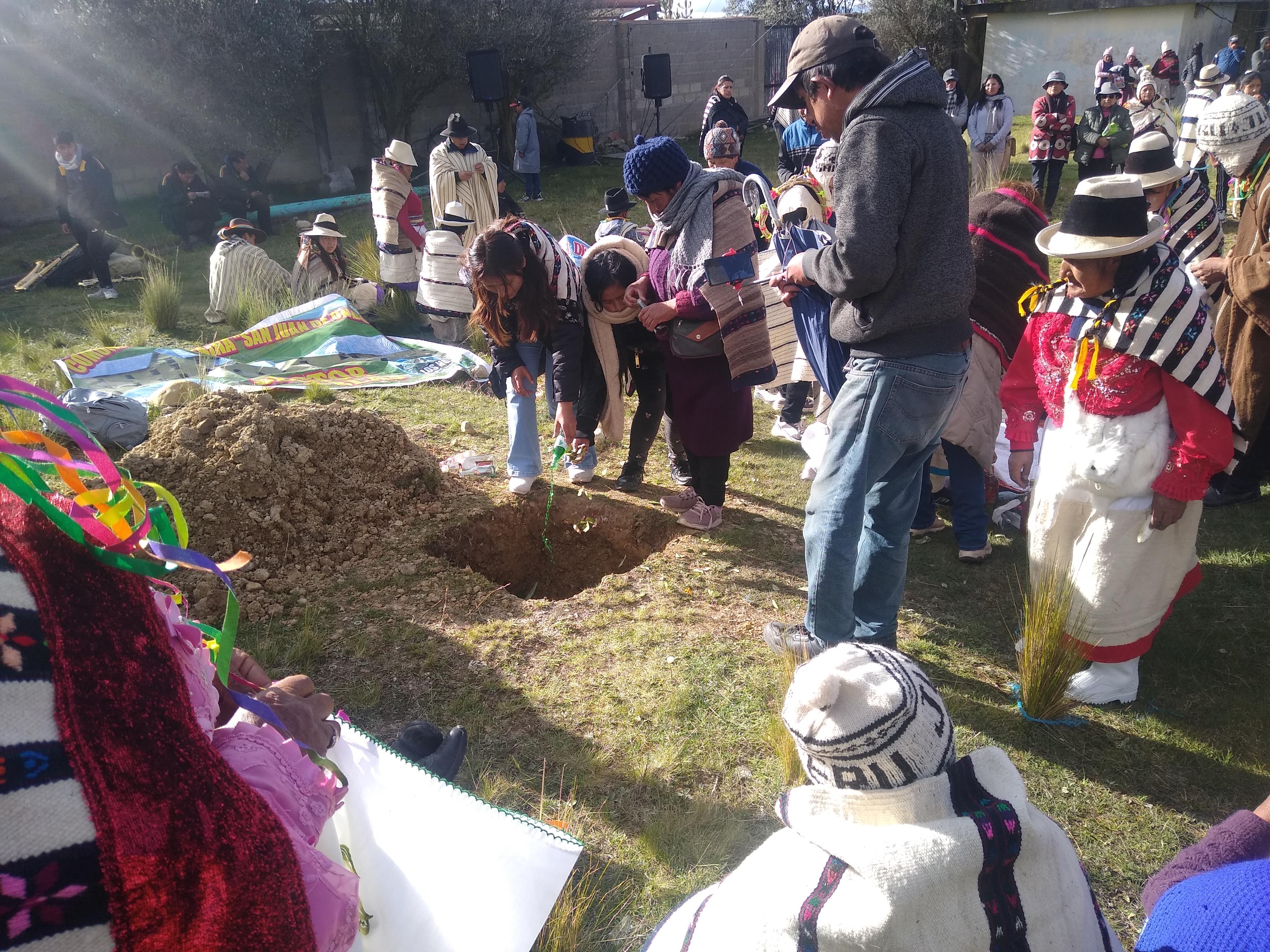
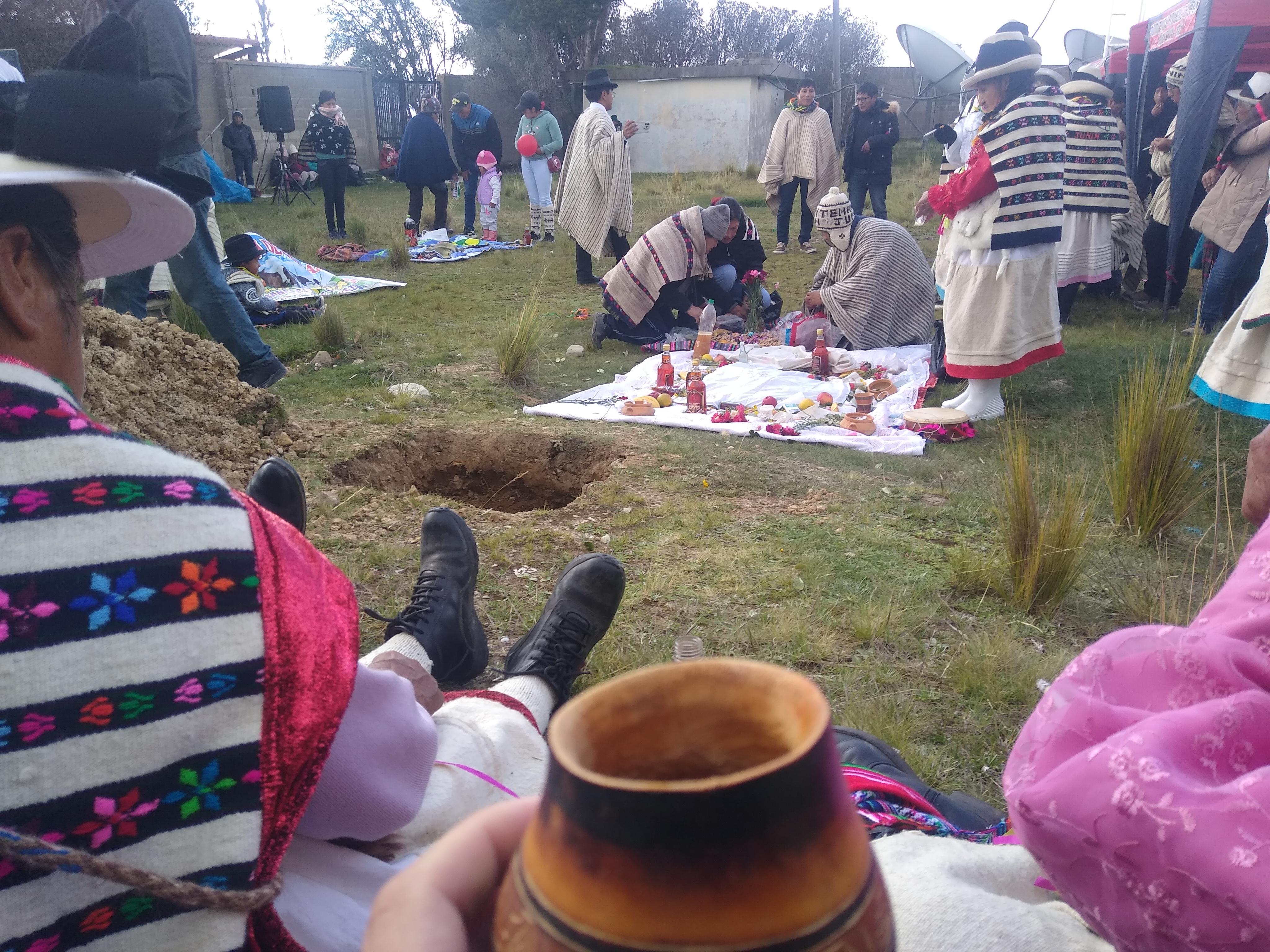
This tradition was deeply connected to the natural environment. Part of the tradition invloved digging a big hole on the highest hill near the town and making offerings to pachamama, which rought translates to madretierra in Spanish, or Mother Earth. Lots of coca leaves, liqour, cigarettes, food, and other items of personal value were put into the hole with a large ceremony with the mayor and numerous other important figures in the community helping lead it. The ceremony is led in Quechua by those who can speak it, and from what I understood, involved asking pachamama for good harvests, good weather and good tidings for the rest of the year. Junín is very rural outside the main city, and you will often see sheep being herded through town on the outskirts, so the climate and weather are very important for most people.