During those times, asking whether someone had eaten was a genuine way of checking on their well-being. Over time, that question--something you would ask someone you cared about--became embedded in everyday language and remains common even today.
More broadly, many Korean people express care not just through words, but through practical attention: making sure you are warm enough, that you’ve eaten, and that you have what you need to get through the day.
While this was my fifth time traveling to Korea, it was the first time anyone had ever greeted me with “Have you eaten?” On my earlier visits, I was mostly surrounded by other foreigners and spending time with people in their twenties--many of whom had grown up with a stronger sense of food security and tended to say this less to one another than did the older generations. Beginning my time here with this small but meaningful exchange fundamentally changed how I experience and appreciate food in Korea, shaping how I pay attention to meals, care, and everyday gestures throughout this journey.
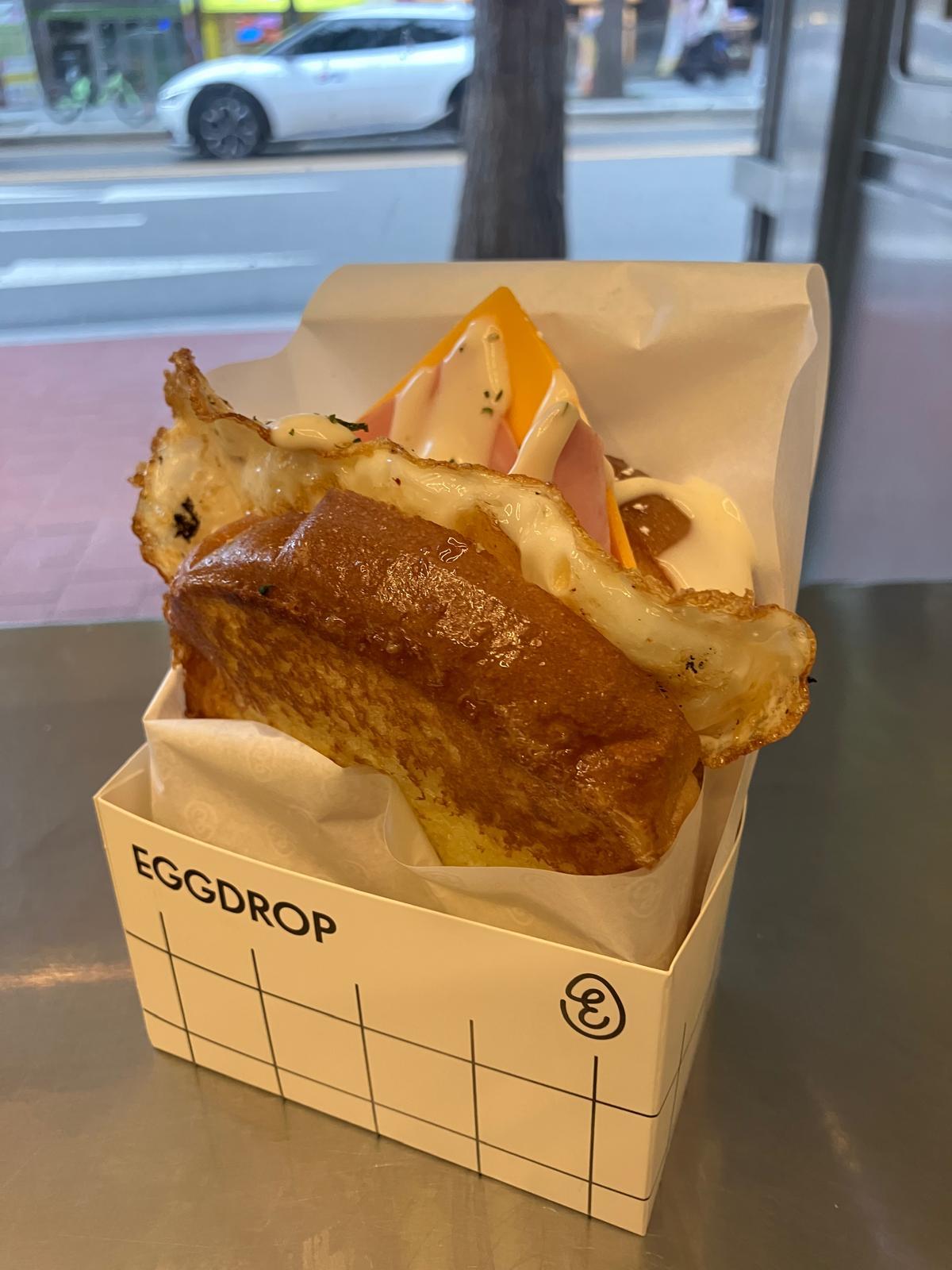
Since I had traveled to Korea before, not all of the foods were completely new—about half were things I had been exposed to previously, even if I hadn’t always been brave enough to try them. Food in South Korea also varies widely depending on where you are. Rural areas tend to serve more traditional dishes, while major cities offer a mix of classic meals, fusion food and Western-influenced options.
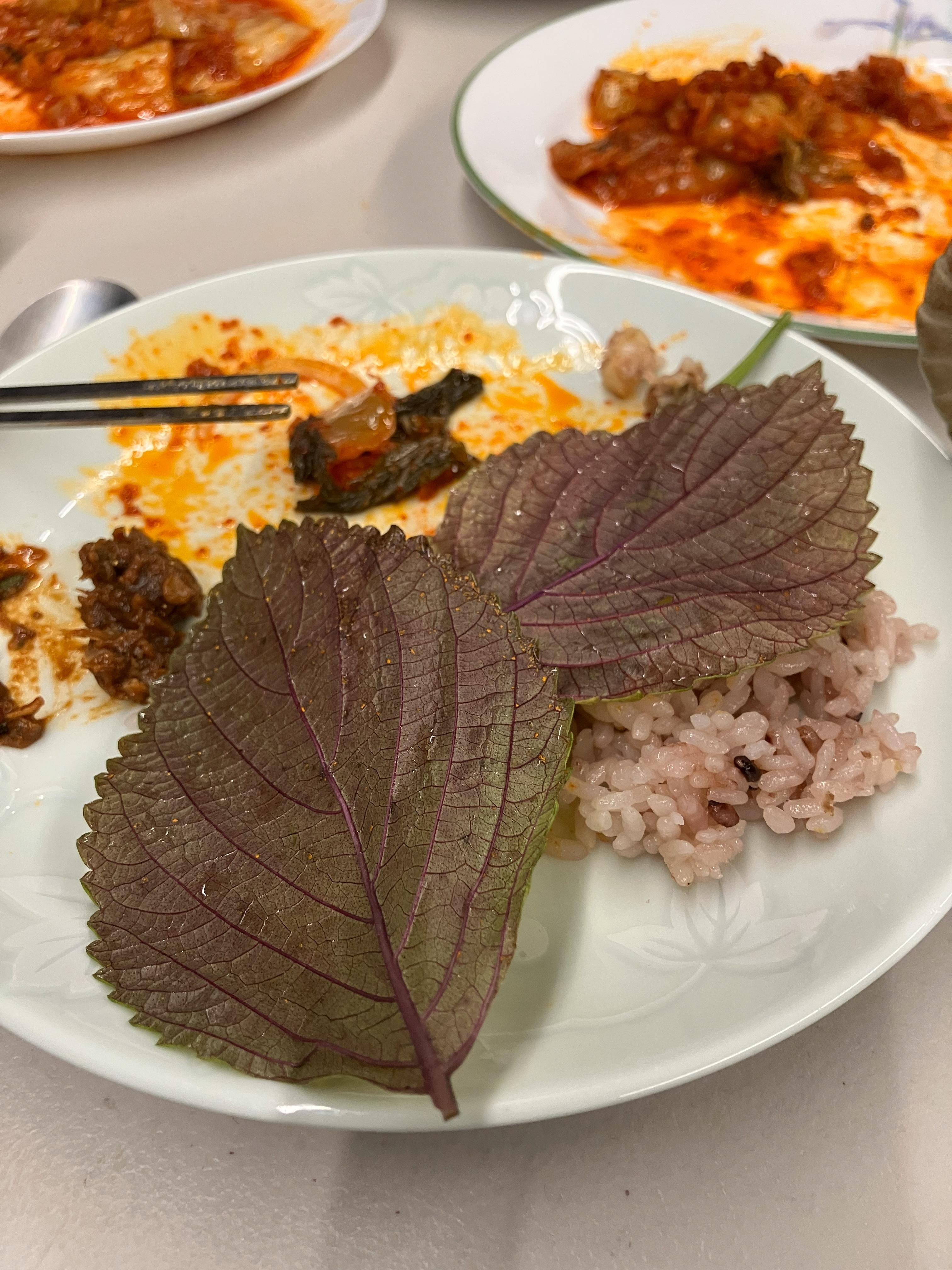
One food I encountered almost everywhere was kimchi.