Trying new foods has made me feel curious about what else I can discover, and this has helped to make Germany feel a little more like home.
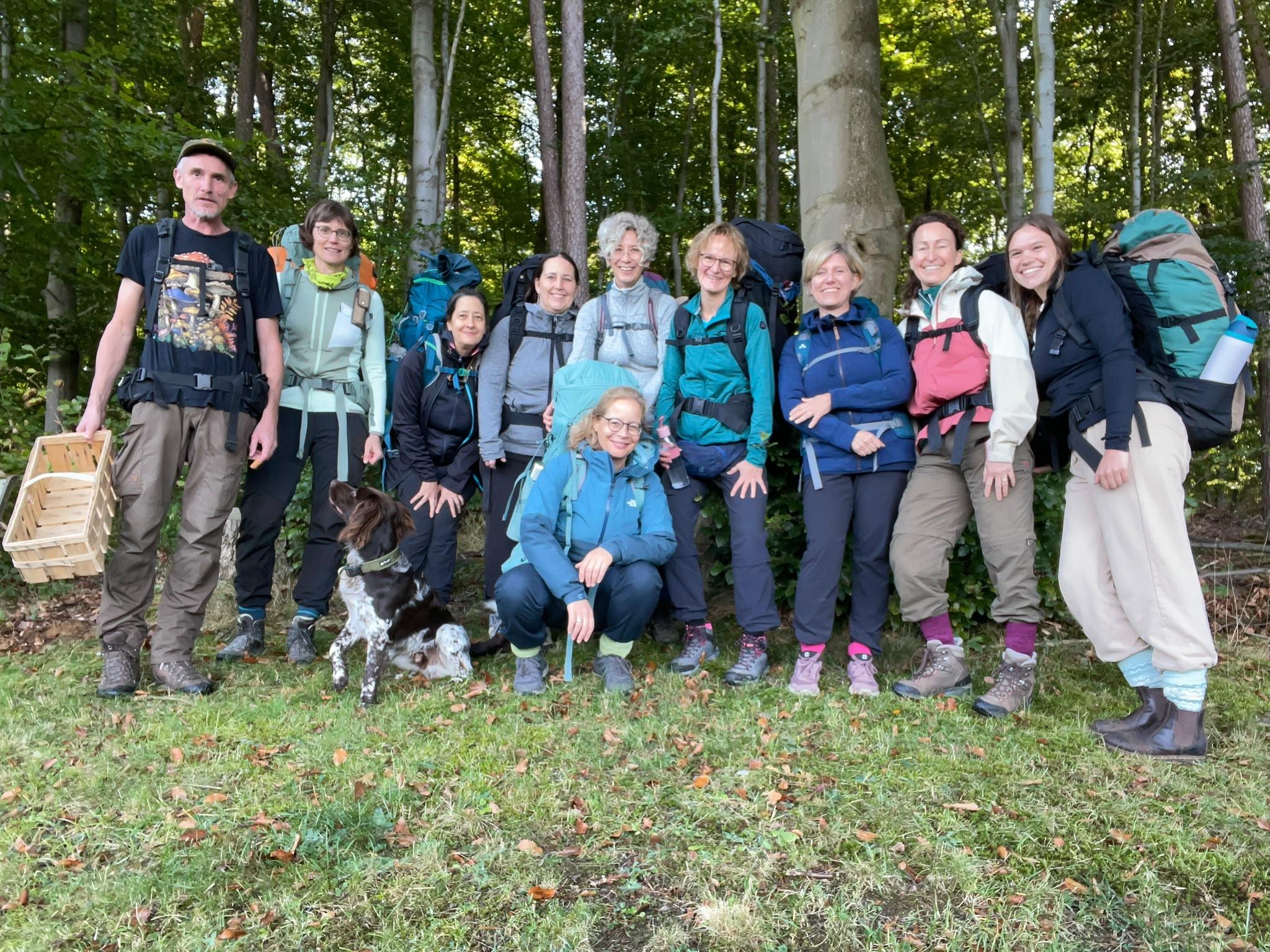
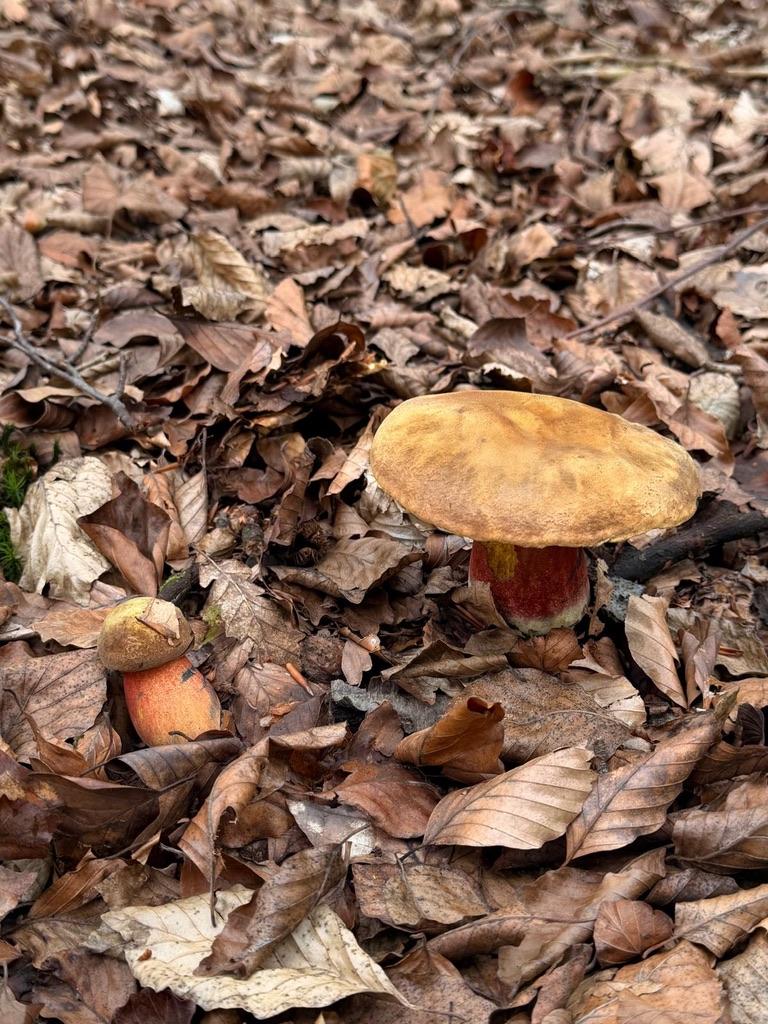
One thing I have noticed about German food is how much care goes into preparing it. Some foods are made fresh at the bakeries, while others are prepared using recipes and traditions that have been passed down for generations. The Zwibelkuchen, or onion cake, I tried is made with a dough crust and topped with onions, eggs, cream, and often bacon before being baked until it is golden and delicious. German sauages are prepared in many different ways depending on the type and region. The white sausage, or Weisswurst, is traditionally made with veal and pork and is gently heated before serving. My mushroom hunting experience gave me another perspective on food preparation. Before any mushrooms can be eaten, the professional mushroom hunter carefully identified them to make sure they were safe. It was interesting to see that preparing food can begin long before you get into a kitchen. All it takes is knowing where you can find it and how to properly and safely identify if something is edible.
The food I have been trying is connected to where I live in Germany. I am in Mainz, which is part of a region called Rheinhessen. This area is known for vineyards and wine, and the seasons have a big influence on what people will eat and drink. One of the best examples I have experienced is making and eating Zwiebelkuchen, the onion cake. This savory dish is especially popular in the fall, when the new grape harvest begins.