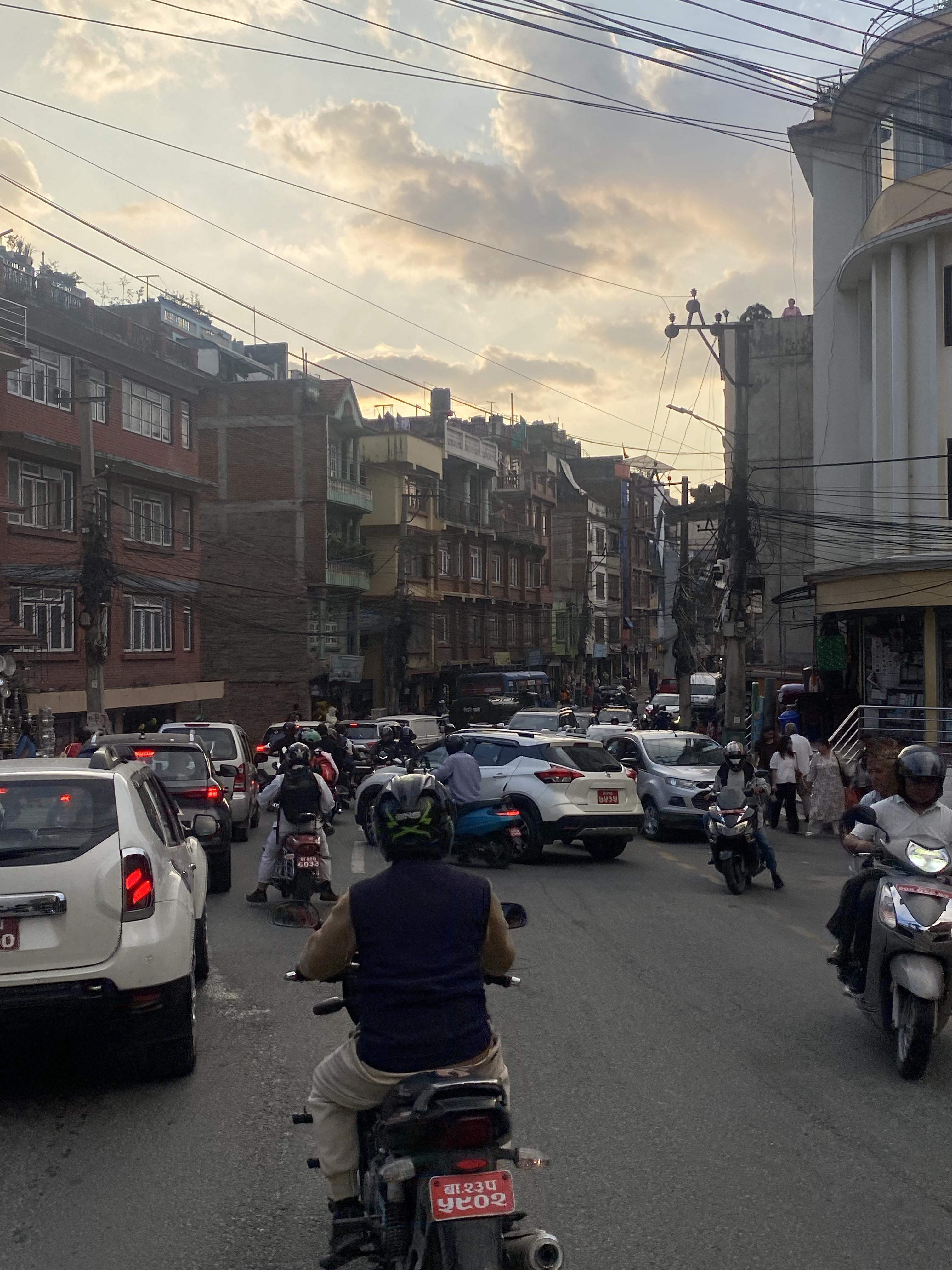
Beyond the threat of natural disasters, the topography also just makes it challenging for remote communities to connect with one another or to major urban markets, often meaning the smaller communities have limited access to resources, health facilities and income opportunities.
Nepal is one of the countries that is most threatened by climate change. High amounts of snow and ice at high elevations melt at an ever faster rate, increasing ther incidence of flash floods, erosion and extreme events. Climate change also threatens to change distributions of species upon which whole communities depend. Despite contributing to 0.1% of global emmissions, Nepal faces some of the largest consequences of human-caused climate change.
People in Nepal are incredibly well-adapted to the different environments in which they live. Sherpas, an ethnic group native to Nepal's Himalaya, are world-renowned for their abilities to trek and move goods throughout the mountains. In the south, whole communities including the Bote and the Musahar have become expert fisherpeople. So many different indigenous communities in Nepal have learned exactly how to live within their environments.
In a more recent development, Nepal is actively seeking more support to fight climate change. At Climate Week recently, Nepal's government stressed that despite being one of the world's lowest polluters, they are increasingly facing huge damages caused by climate change. There is a popular sentiment in Nepal that those most responsible for climate change should be the ones who are most responsible for paying for damages. What do you think about this concept?