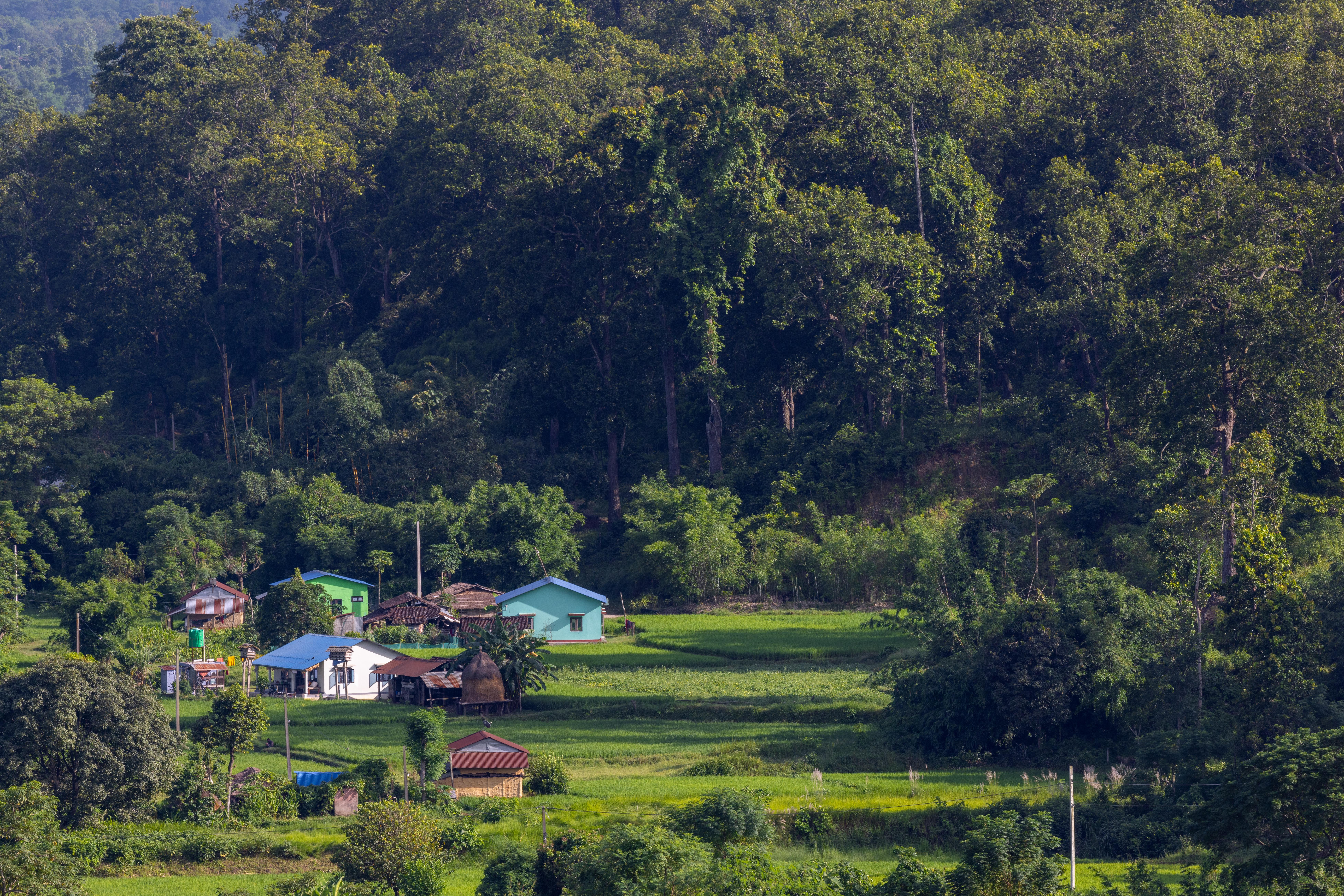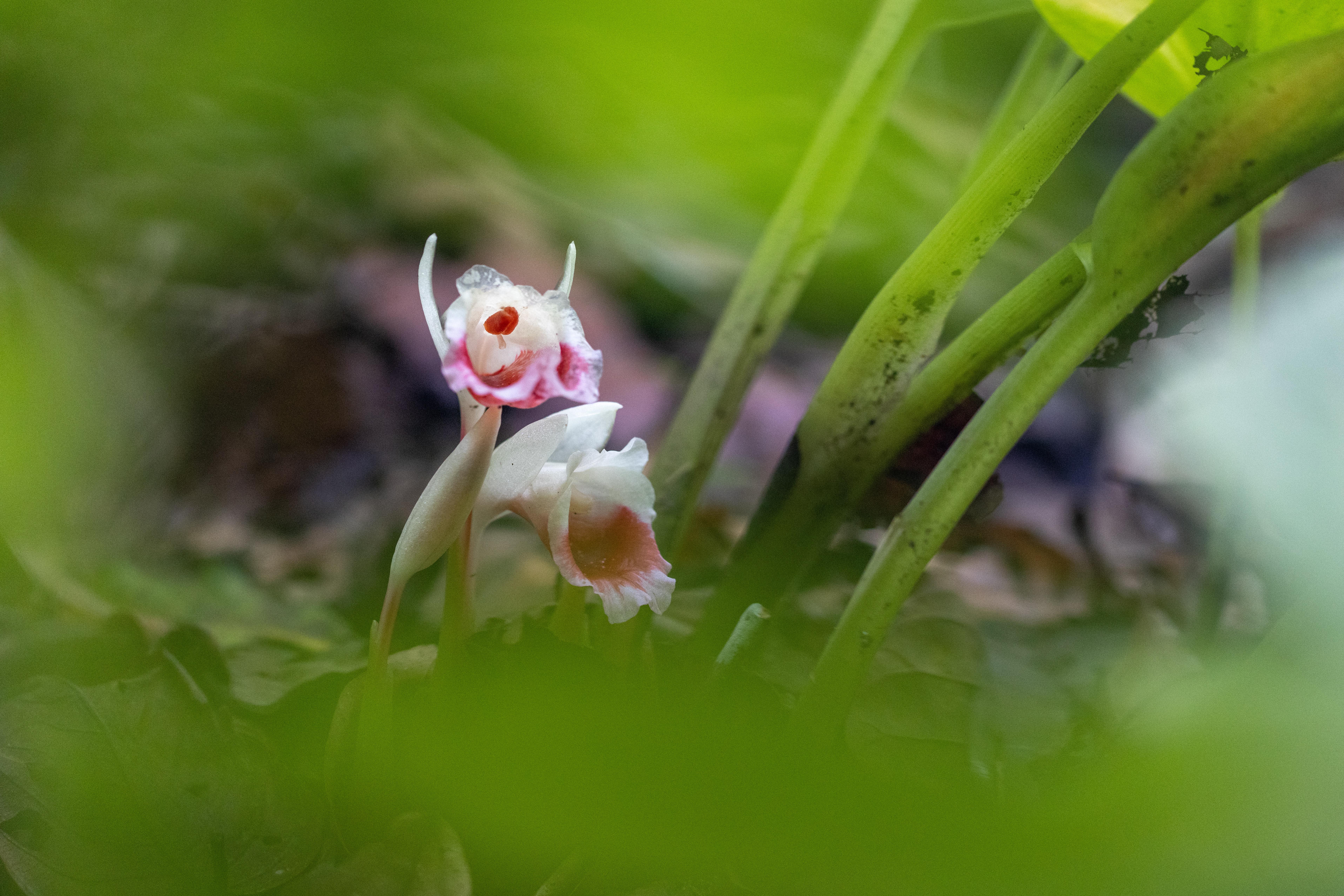
While in the past this harvest was mostly localized, in recent decades it has becoming increasingly unsustainable with about 2/3rds of collected plants being exported out of the country. There are also entire communities dedicated to fishing, hunting, mushroom foraging, farming, and many other activities which demonstrate how closely people are tied to their surrounding ecosystems here.
One other big component of the environment in Nepal is tourism. There are so many remote communities that are set up exclusively for tourists who visit during week-long treks through different regions of Nepal. Tourism is one of the country's biggest industries, and this is largely because people want to come visit the famed Himalayan mountains.
I'm sure, by now, that everyone has heard about the devastating floods and landslides that have been occurring in Nepal over the past couple of months, with almost 6,000 people killed or still missing. In 2015, almost 9,000 people were killed by an earthquake in Nepal which also injured an additional 20,000. The same incredible mountains and extreme topography also mean that people face very real, life-threatening risks by a landscape that is rugged, untamed and always changing. The combination of steep mountain slopes, heavy rainy seasons, seismic activity and the placement of communities along waterways, makes many areas in Nepal prone to flooding and landslides.