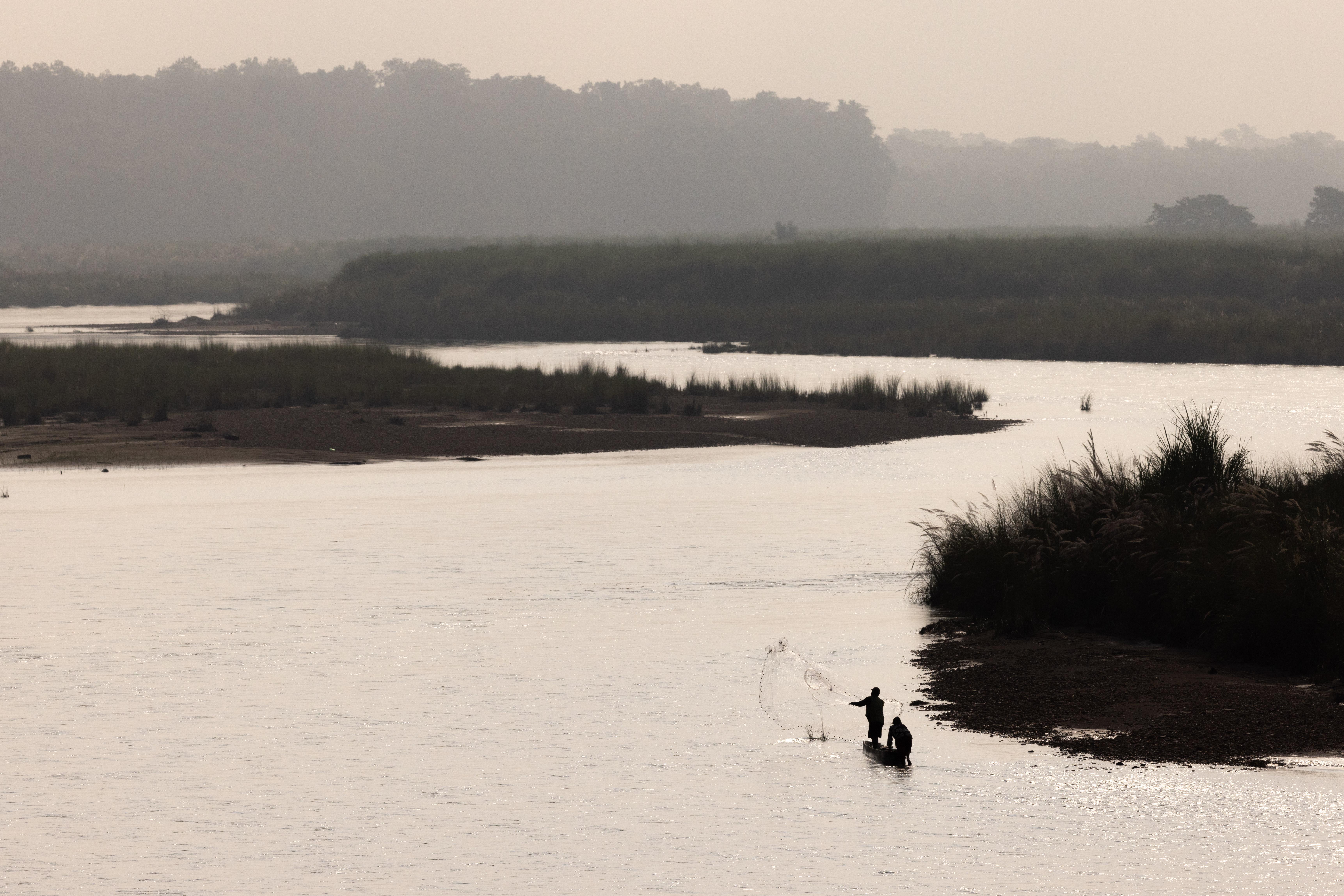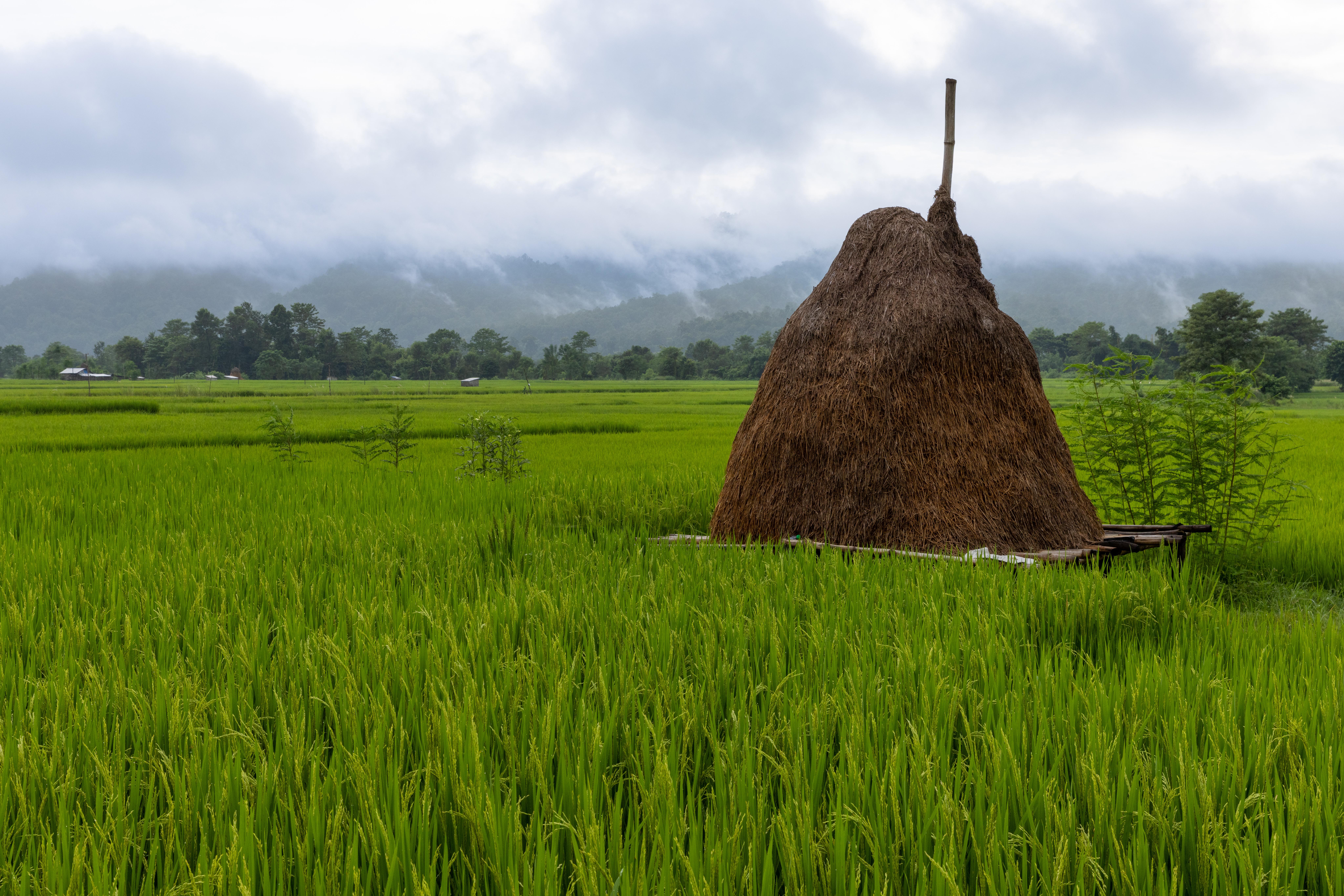
As a result, people very much have to find ways to operate within their environment, rather than try to control it.
This dramatic topography also means that there is a huge diversity of plants and animals in Nepal which are specially adapted to their ecosystems. There are over 6,000 species of flowering plants in Nepal, almost 1,000 species of birds and close to 200 mammal species. Despite covering 0.03% of the Earth's service, the country contains a significant percentage of the planet's biosiversity simply because there is so much elevation change (that drives diversification). This diversity is also incredibly important for indigenous communities who often rely on wildlife products for things like food and medicine.
The major environmental factor, as with most civilizations, is access to water. Due to its high mountains and dramatic landscapes, Nepal has numerous river networks that rush down from the mountains on the way to the lower floodplains. It is along these rivers or in related river valleys that communities are often located; living here, the people in these communities can easily access water resources, and often times, these rivers carry fertile sediment into the valleys, which make these places favorable for farming.
In addition, the plant and animal diversity of Nepal is extremely important for the people living here. For example, one of the projects I am working with focuses on plant species used in traditional medicine. Nepal boasts hundreds, if not thousands, of medicinal plants which are used by indigenous communities for various reasons.