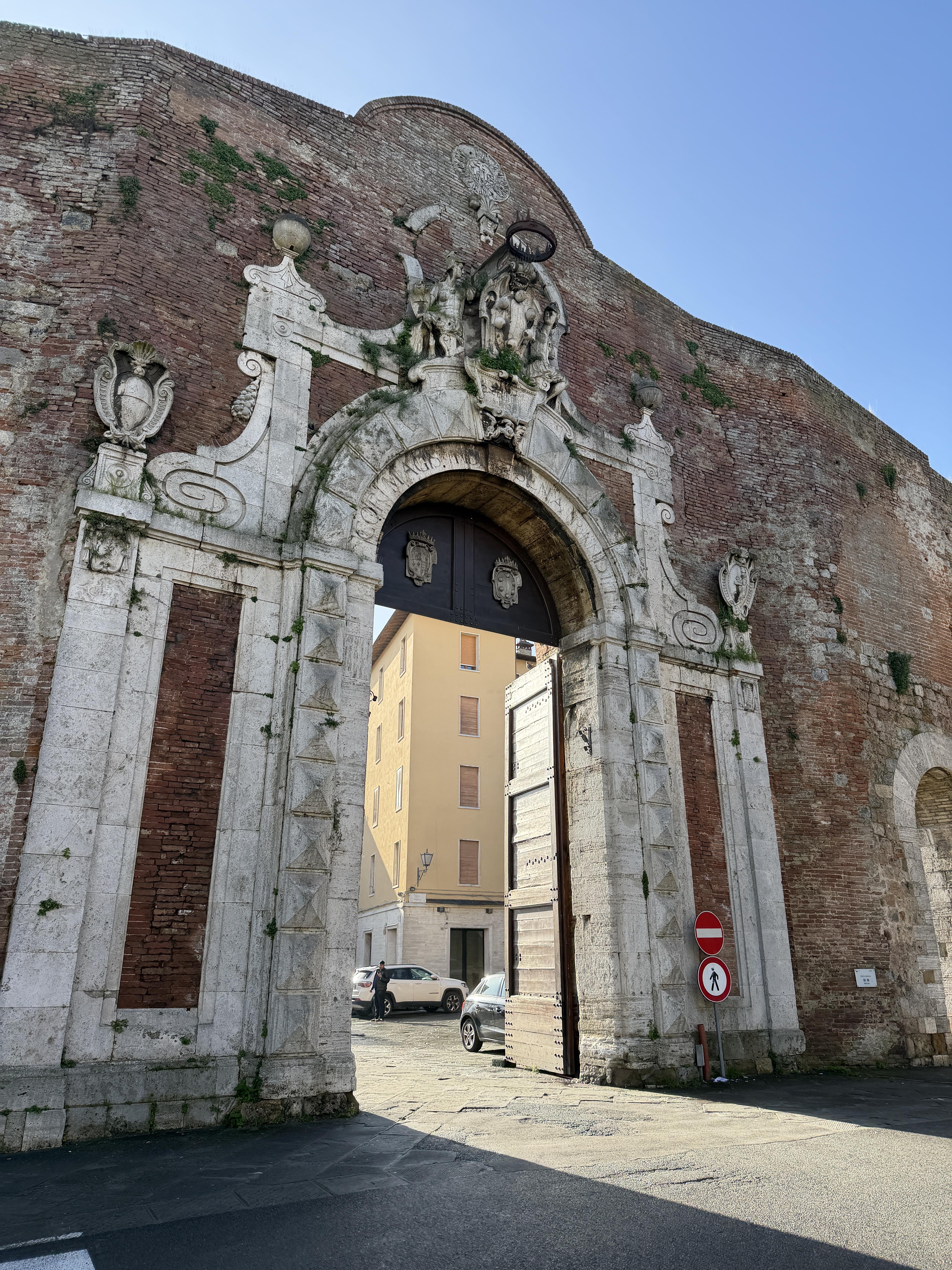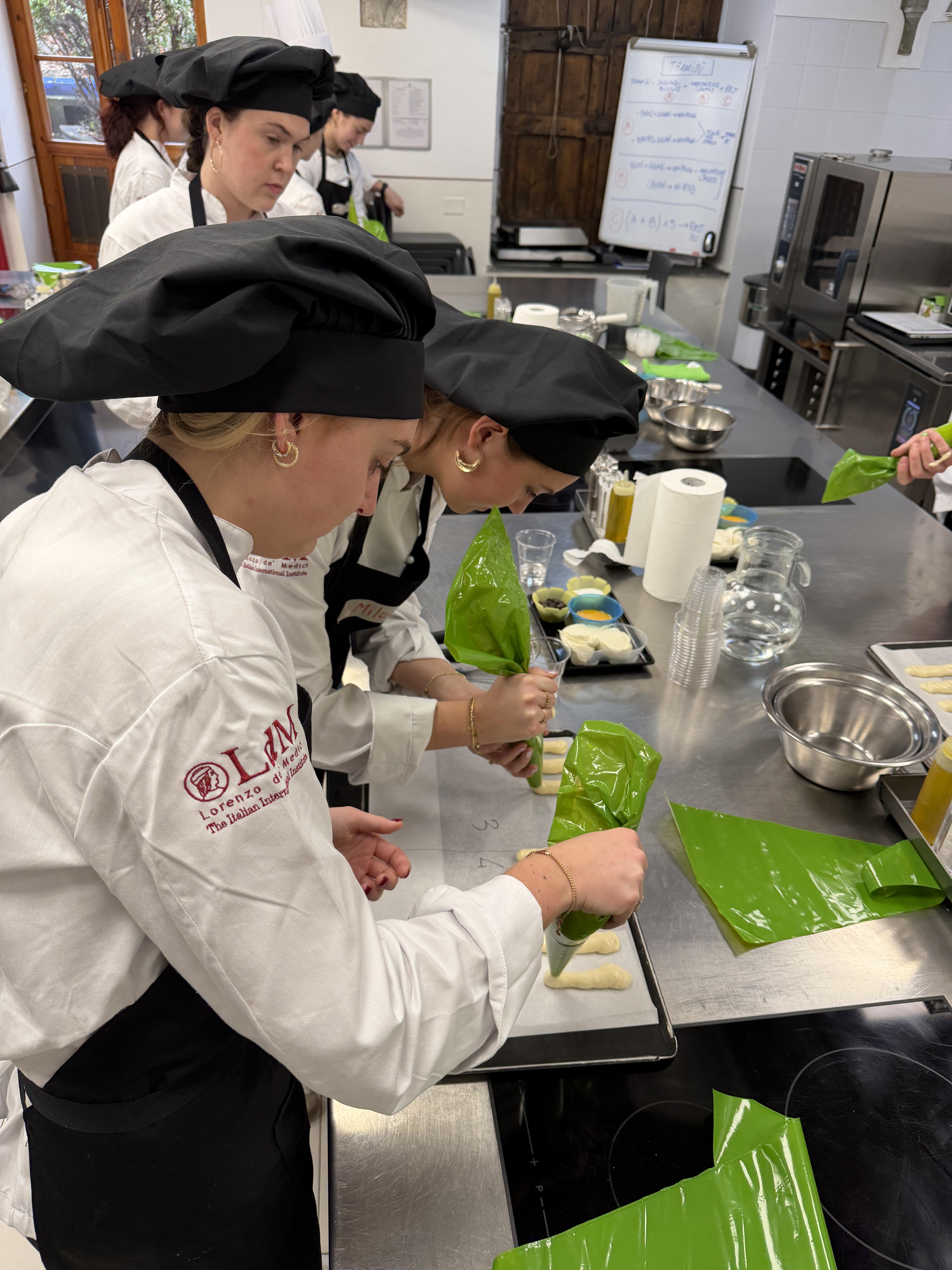
Under Cosimo de' Medici, the family mastered the art of patronage, loans, and alliances, shaping elections and policy from behind the scenes while preserving the appearance of civic government. Their power reached its cultural and political height with Lorenzo de' Medici, whose leadership coincided with Florence’s golden age of Renaissance art, diplomacy, and economic strength. Lorenzo de' Medici was close friends with several well-known Renaissance artists such as Leonardo da Vinci, Michelangelo, Sandro Botticelli, and Filippo Lippi, to name a few. As a fun fact, my school in Florence is named after this Medici! However, this dominance proved fragile because of foreign invasions, internal factionalism, and shifting European politics, which repeatedly forced the Medici into exile. Although they later returned as hereditary rulers of Tuscany, their line eventually weakened through dynastic decline and loss of influence, ending in the 18th century, and leaving their crest as one of the most enduring reminders of the family that once steered Florence’s fate.
Today, Italy has a parliamentary republic. The head of state is President Sergio Mattarella, who has served since February 2015 and was re-elected for a second term in January 2022. Mattarella is generally venerated and has remained one of the most trusted and widely respected figures in Italian public life. At this time, 70–73% of Italians express confidence in him. He deals mostly with ceremonial duties and oversees constitutional matters. The current head of government is Prime Minister Giorgia Meloni, who is chosen by Parliament. She has been Prime Minister since October 2022, and she is the first woman to hold this office in the Italian Republic.