This is why Orthodox Christmas is celebrated on January 7th instead of December 25th.
On Vasilica, Orthodox Christians in many communities bake a loaf of bread with a coin hidden inside. Each person in the household receives a piece of the bread, while additional pieces are set aside for the house and for God. The person who finds the coin in their piece is believed to be the luckiest person in the household for the coming year. This tradition honours Saint Basil, who, according to tradition, baked coins into bread that was distributed to the poor. This allowed him to help those in need while preserving their dignity rather than making them feel as though they were receiving charity.
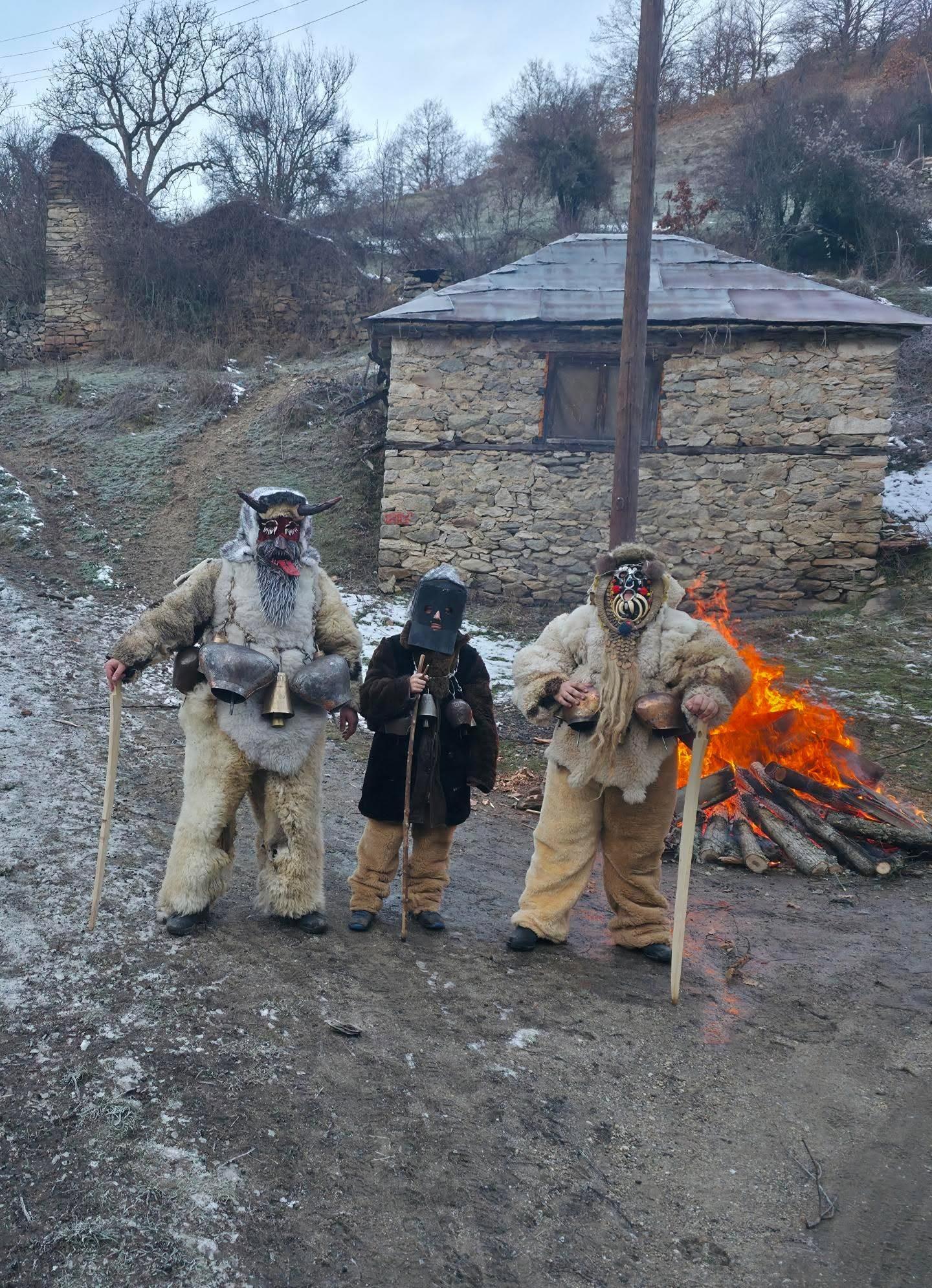
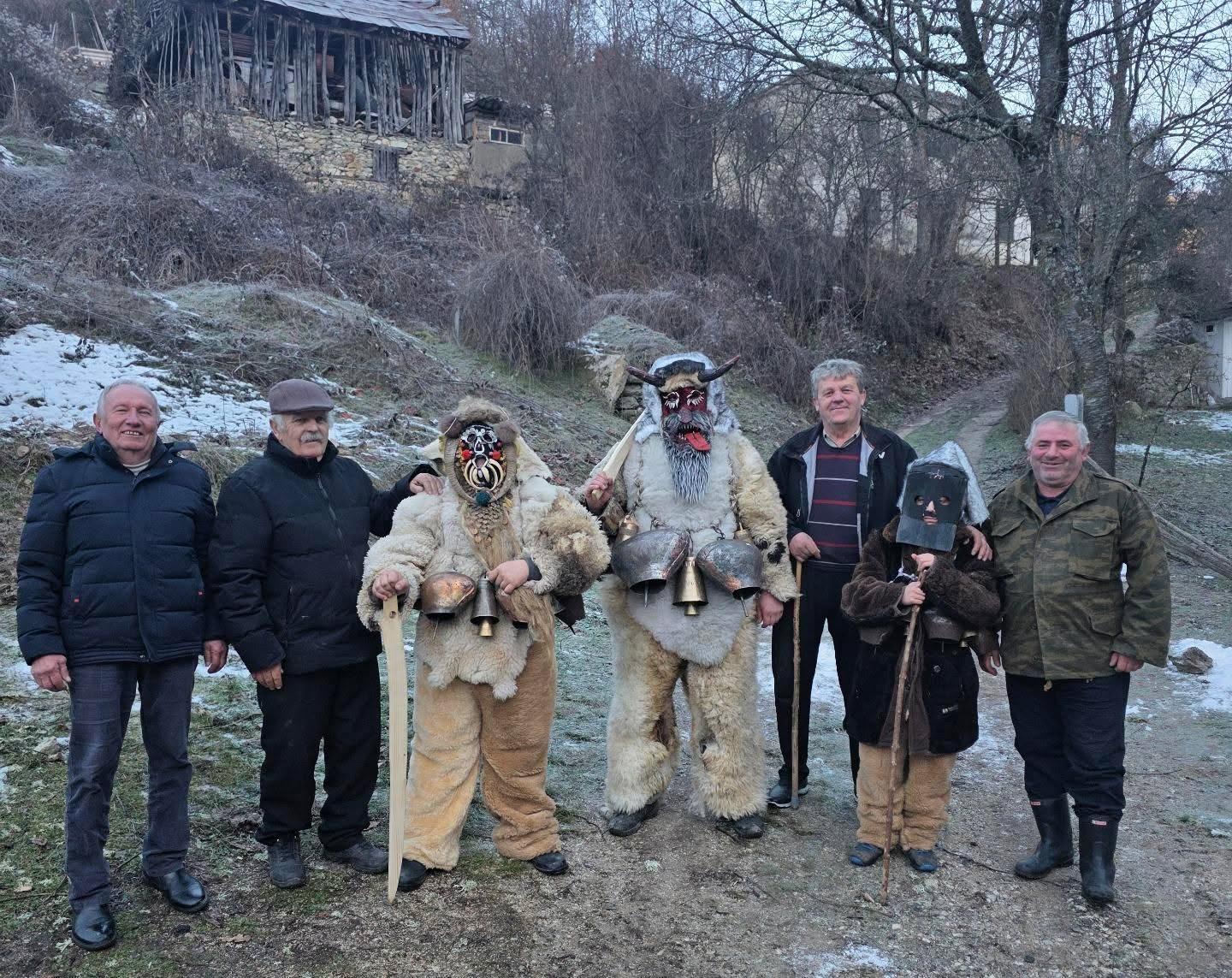
However, in small rural villages in North Macedonia, there is another fascinating tradition associated with Saint Basil's Day that only men can participate in. It involves groups of men dressed in frightening costumes who travel from house to house, collecting gifts from the villagers.
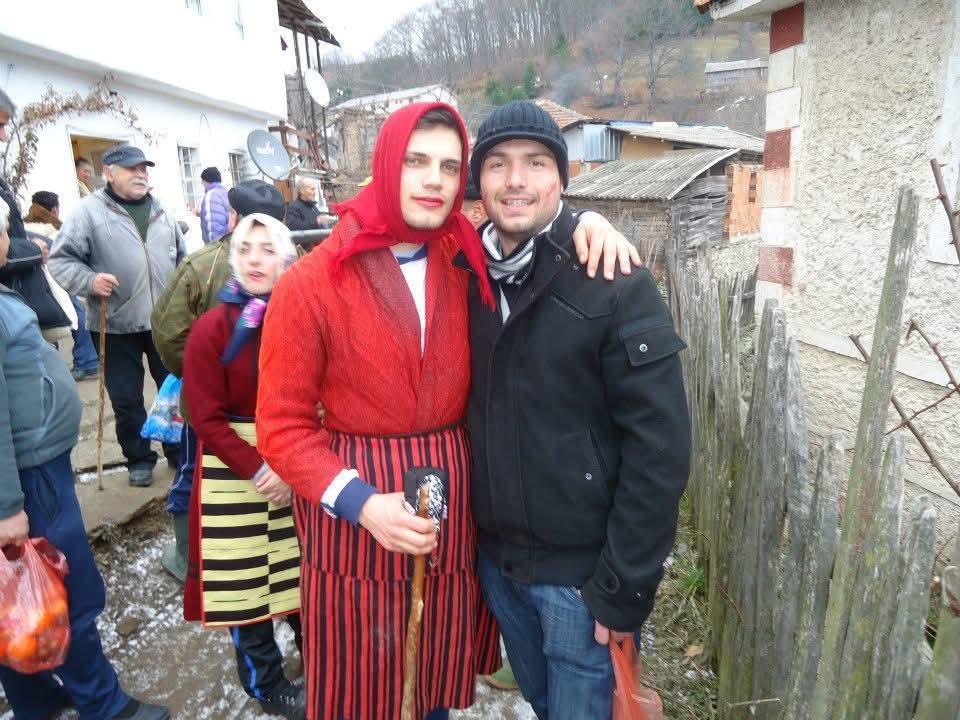
Each village has a group consisting of a Godfather, a Babar, and two Brides. The Godfather is the leader of the group and symbolises the old year. The Babar is the main character in the tradition and represents the New Year. The two Brides, who are men dressed as women, are the Babar's wives or companions. The Babar symbolises rebirth and a fresh start for the New Year. Everything he touches is believed to be cleansed of evil spirits. Some people even ask the Babar to sit on their new furniture as a way of blessing it.
Preparations for Vasilica begin two to three months in advance.