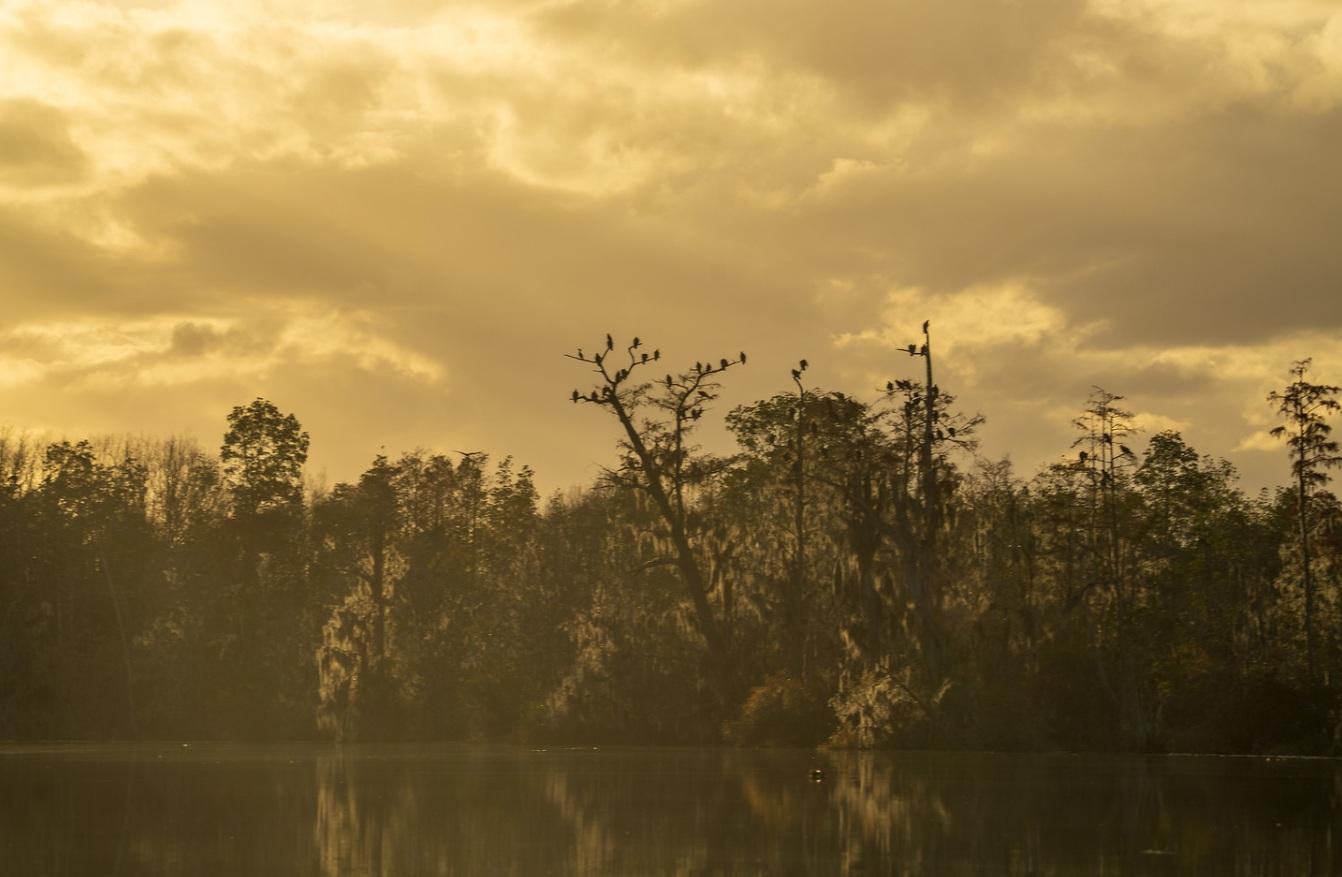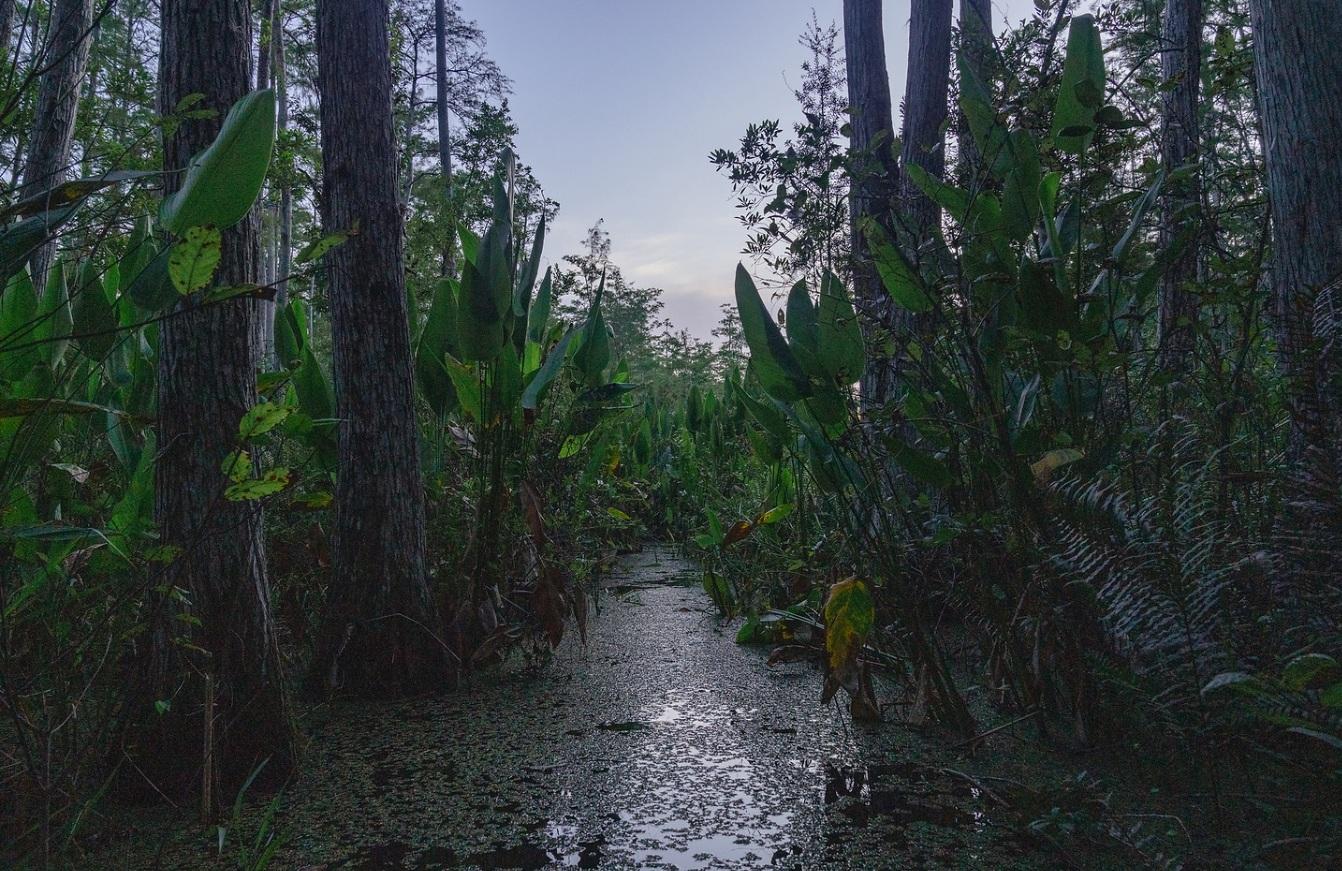
Different habitats support different forms of life. In one place, you may find an open marsh. In another, dense vegetation. Each environment creates different opportunities and challenges for wildlife.
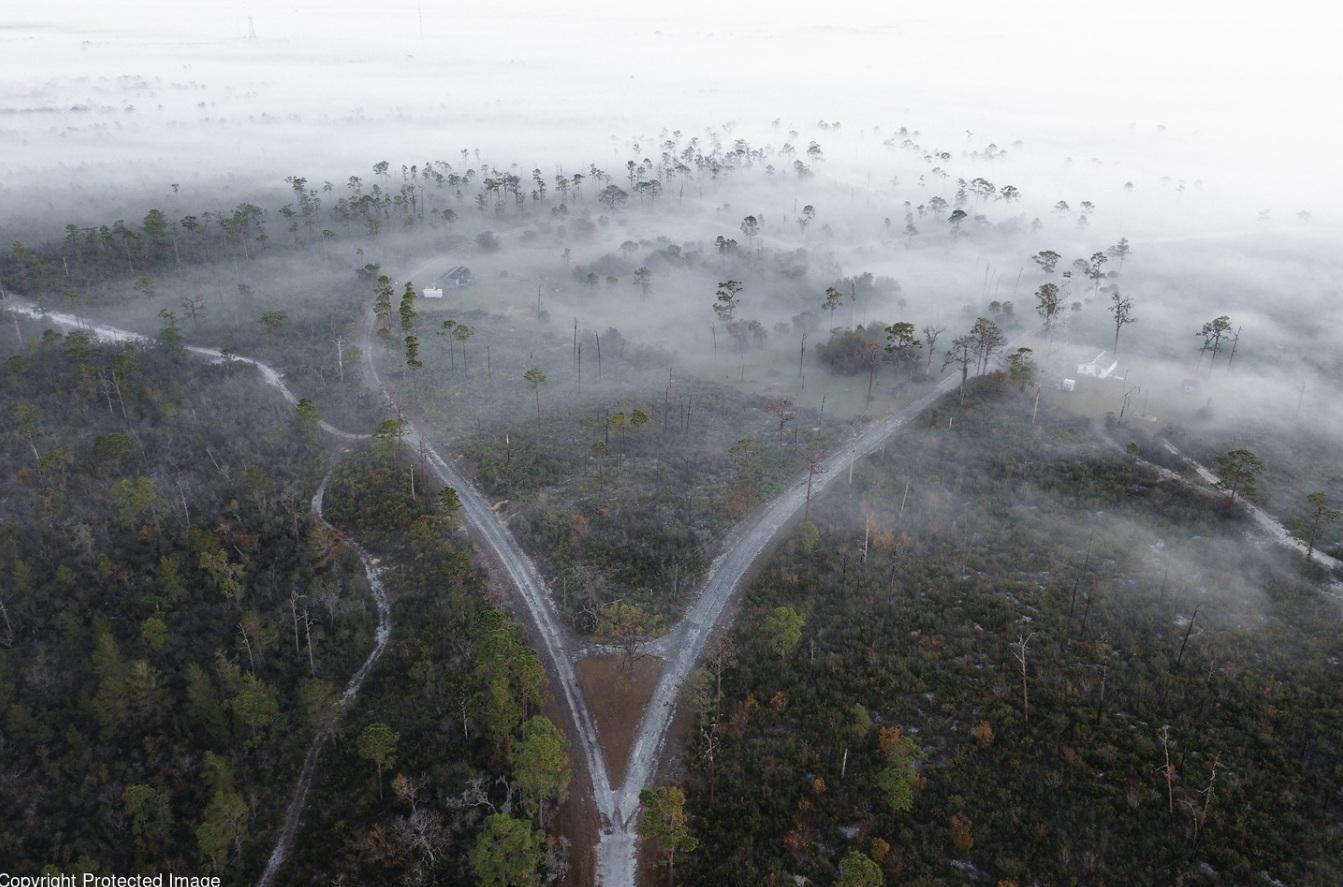
Fire also plays a role in some parts of Florida’s environment. Many people think of fire only as destruction; however, in some ecosystems, it can be necessary for renewal. It can help maintain a healthy habitat and support species that depend on those conditions. Nature often works in ways that are more complex than they seem at first.
That complexity is part of why the Everglades needs protection. Changes to water flow, habitat loss, pollution, invasive species, and development can all affect the environment’s balance. Sometimes, those changes happen slowly. They still matter. When one part of an ecosystem is disrupted, effects can spread. This is why paying attention—really seeing and understanding the Everglades as a connected system—is so important to me. The more we know how a place works, the more we know why it needs care. For me, photography is a way to help people notice. A photo can invite someone to stop, look closer, and ask questions.
I hope students see that environment is not just a science word. It is the living world around us. It is what makes life possible. And even if we don't live close to wild places, we are still connected to them. The Everglades reminds me that every part of a place matters. Water, plants, weather, and animals are all part of a bigger story.