Usually trees and other native plants are destroyed for the purpose of clearing fields of soy and corn, and this destroys the biodiversity of the area. Soy and corn is usually exported, fed to animals and made into highly processed products, meaning that the development of these crops is leading to the decreased health of the people that are living nearby. Although the large corporations growing these crops, which are often foreign entities coming to Paraguay to take advantage of the cheap land and energy, profit immensely, the local population sees the prices of healthy food skyrocket. Furthermore, their overall health declines as the toxic chemicals used to produce the monocrop replace the many health benefits of living near a diverse native ecosystem.
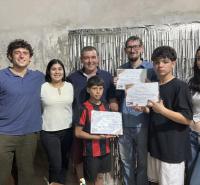
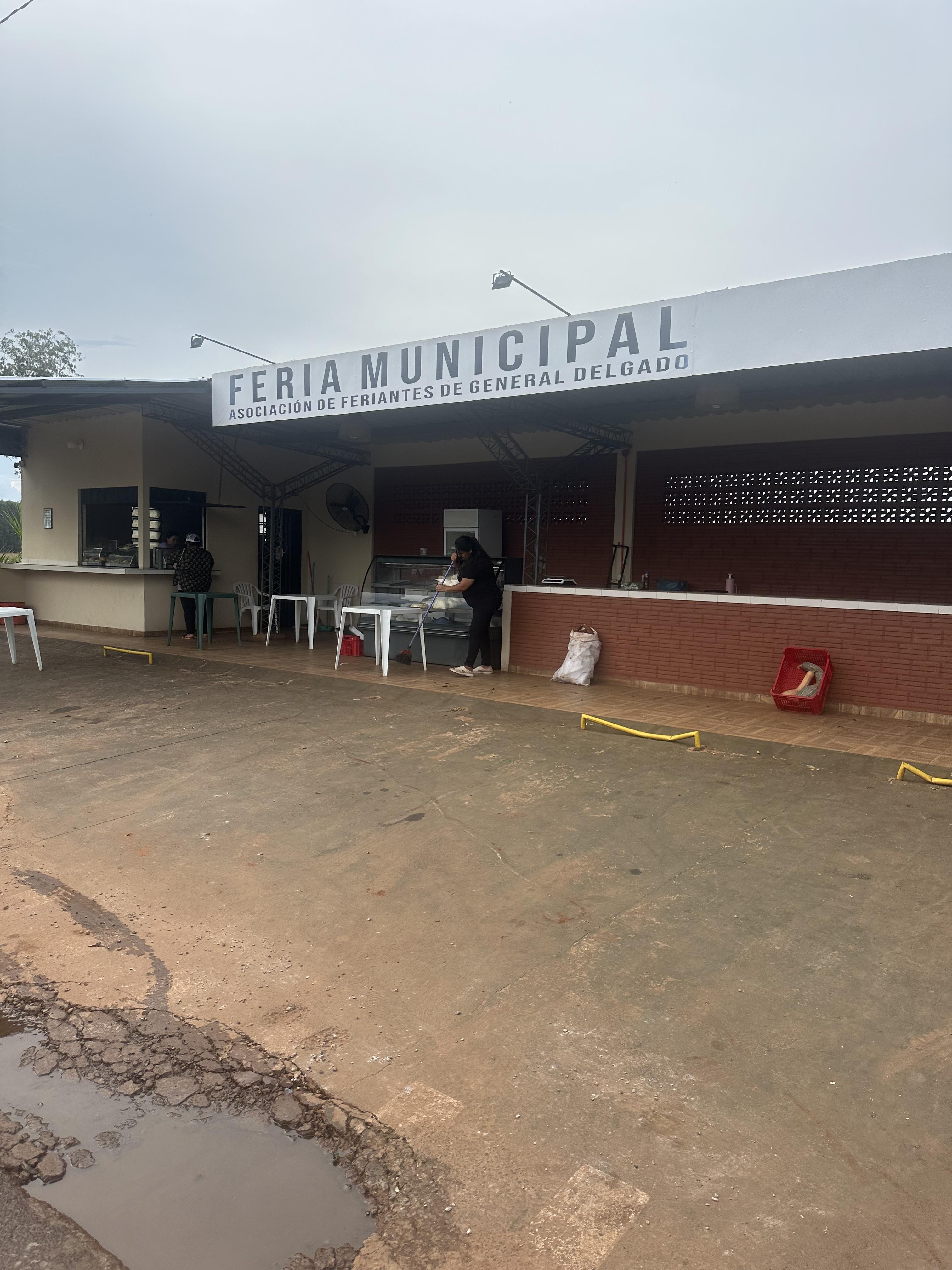
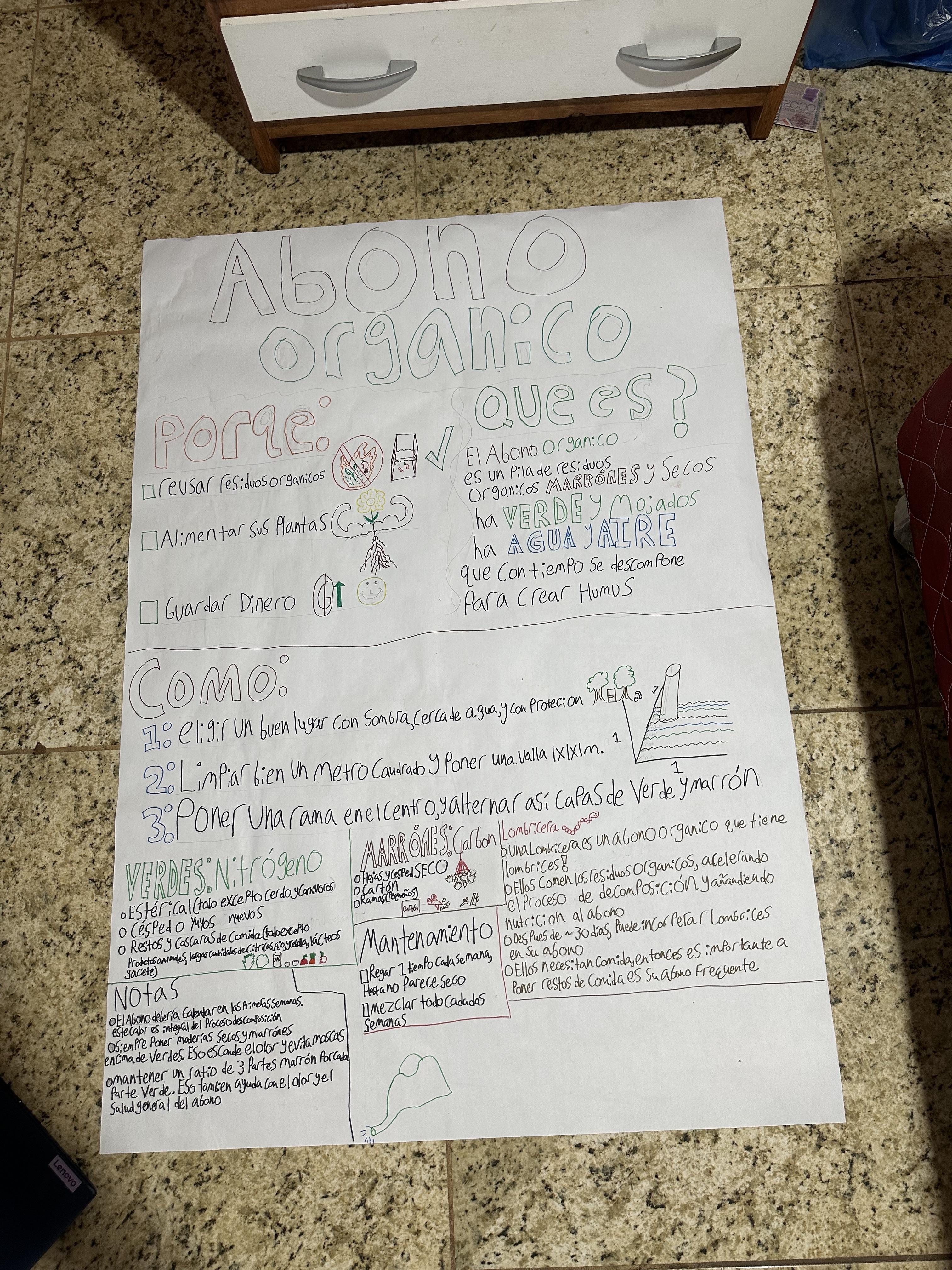
The transition from small family farms to large industrial farms is happening all over the world, and the U.S is further along this path than Paraguay is. Part of my work here will be doing projects to help small farmers that live in the outskirts of my community grow, maximize and sell their products. Just today, I had my first event with a group of local farmers where I presented the ways in which they can compost with materials they already have on their farm. To adapt to this changing climate, people have begun to explore different ways of farming. Some people are trying hydroponics, which involves growing plants in greenhouses using synthetic nutrients. Many young people are getting college educations in agriculture and related fields, and they are using this education to return back to their family farms or to the local schools.