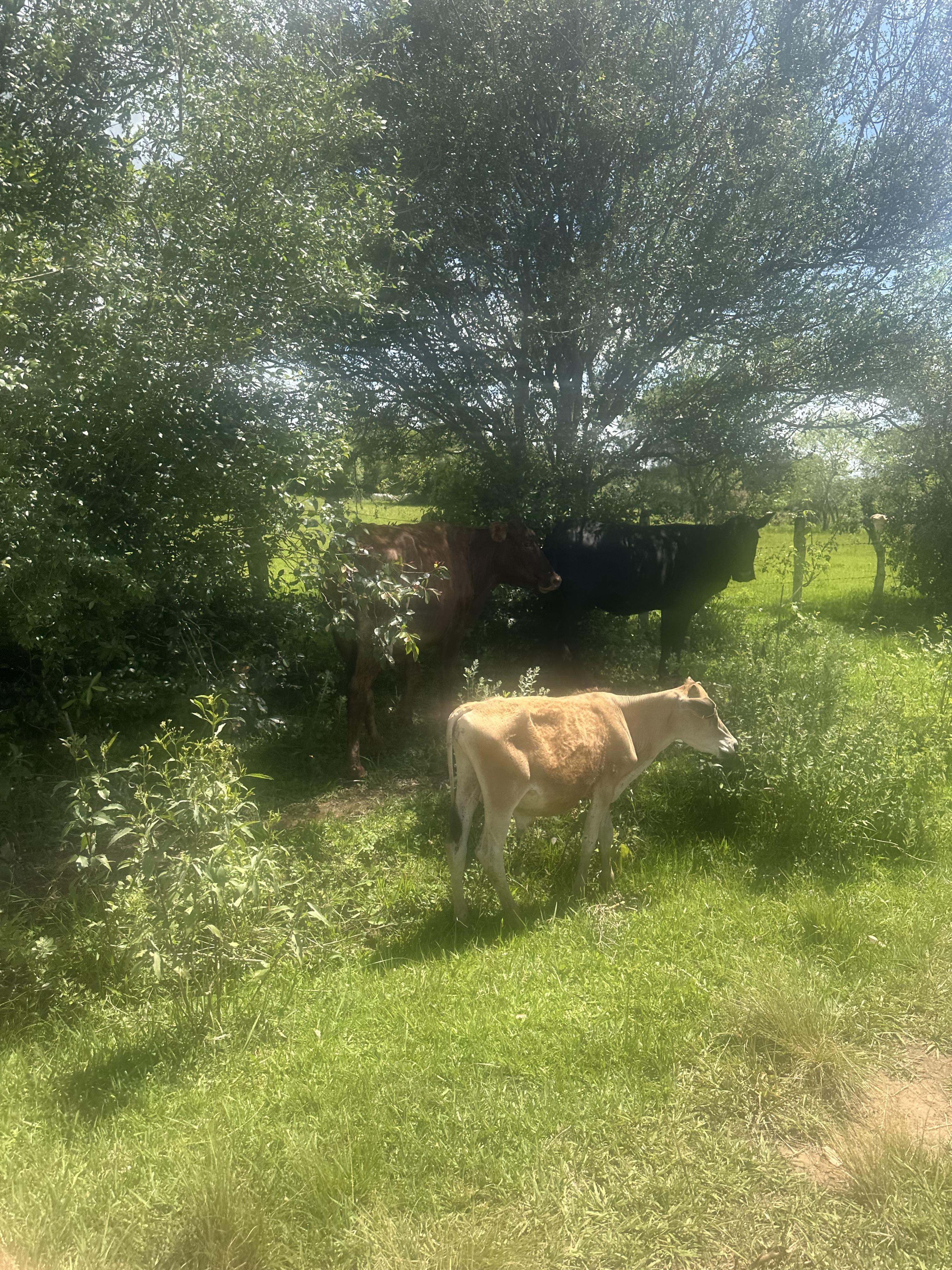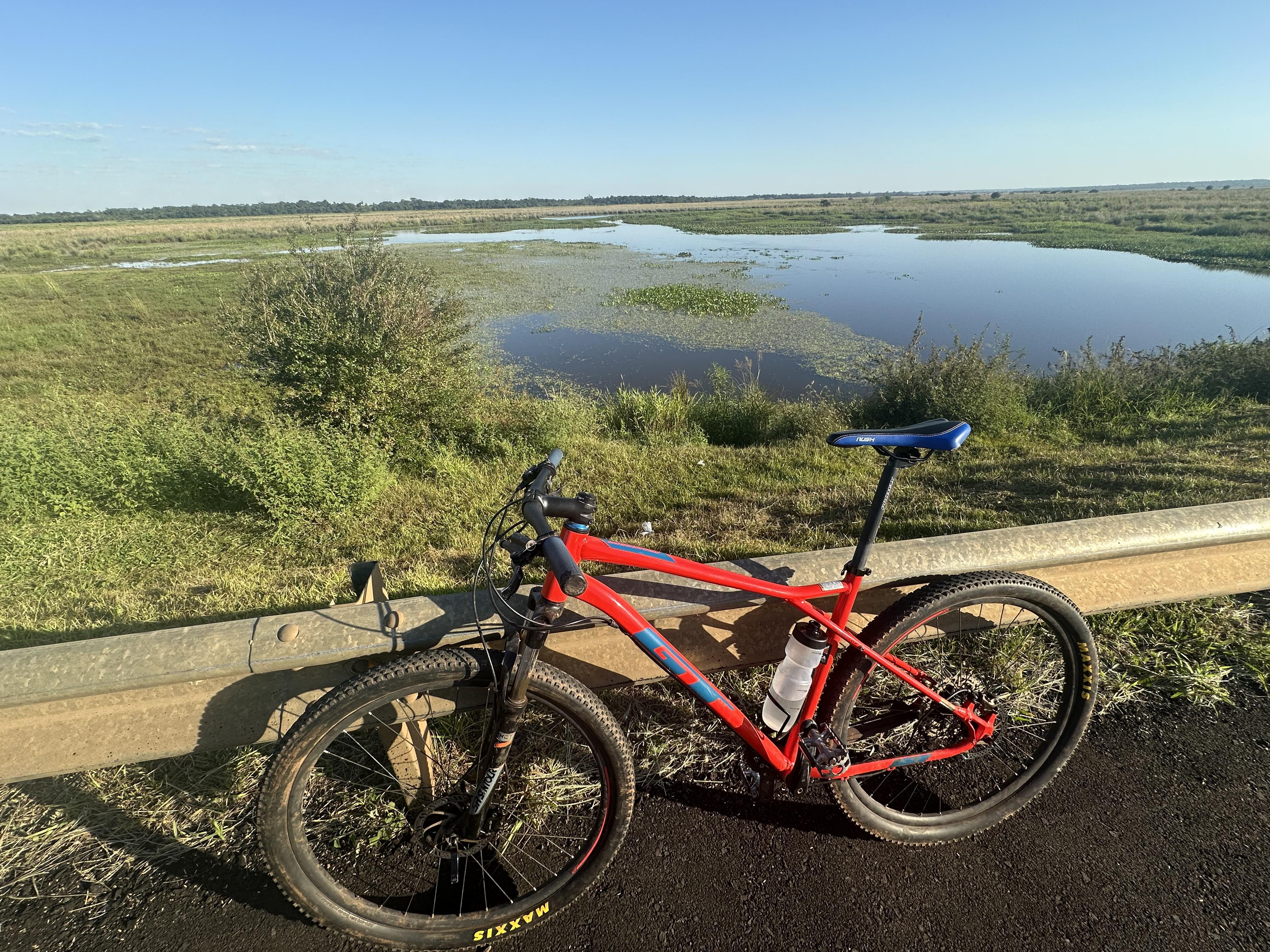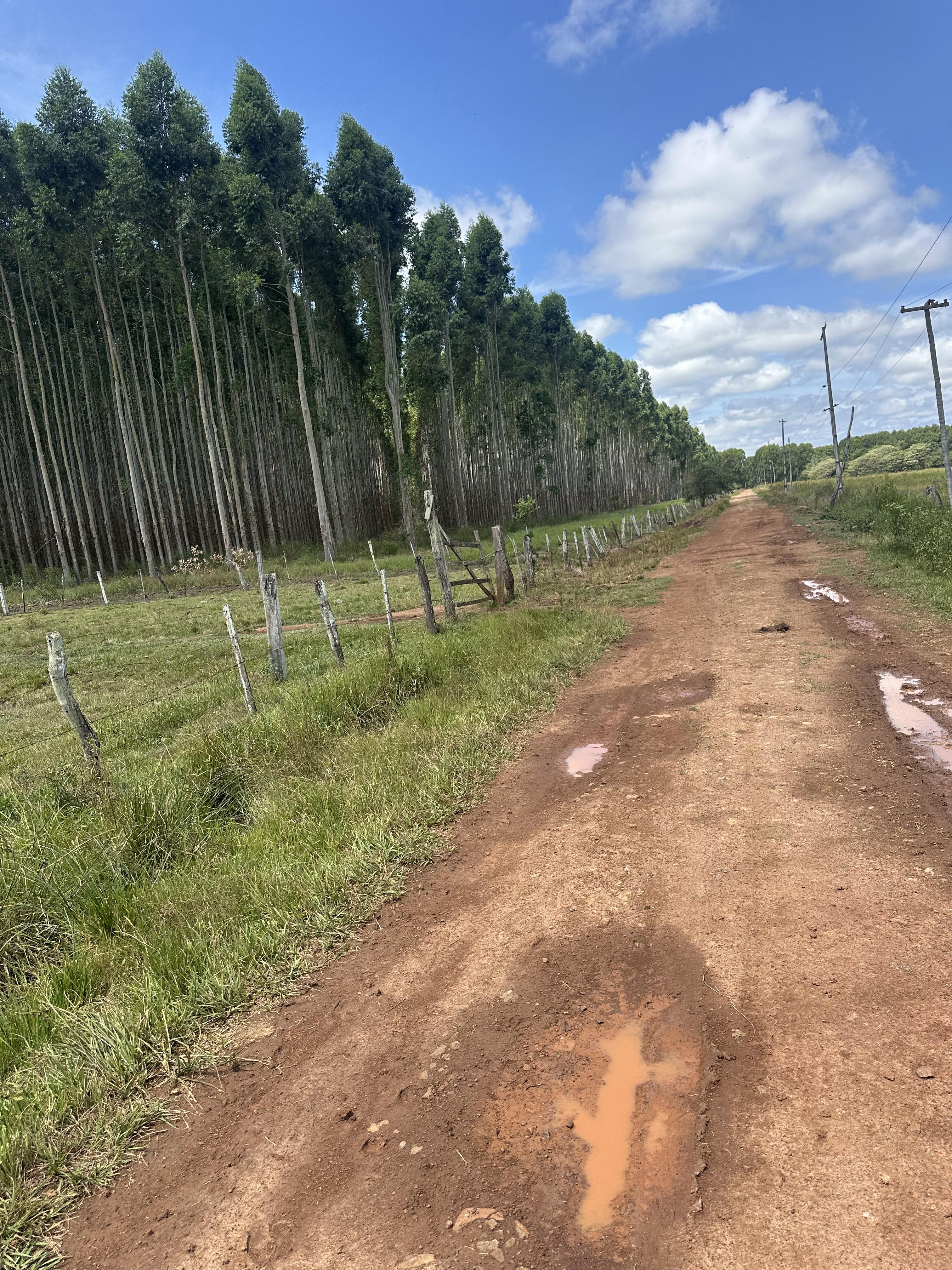
Paraguay is known for its high quality meat, and the diet of the people relies heavily on the abundance of meat produced here. Additionally, in the easternmost part of the country, Paraguay shares with Brazil and Argentina the waterfalls called Iguazu. Not only are these waterfalls an international tourist attraction, but they also support the world's third largest hydroelectric dam, called the Itaipu Dam This dam supplies over 75% of the country's overall energy, allowing Paraguay to consistently rely on cheap, renewable energy. Therefore, although Paraguay is not a rich country by any means, it is often said that nobody goes hungry in Paraguay, due to the favorable agricultural conditions, minimally populated rural zones and cheap energy costs.
Due to climate change, deforestation and monoculture of trees and crops, Paraguay is facing new challenges today. Global warming and climate change is increasing the amount of time between rain, making rain less consistent and more extreme when it does come. This means that many farmers who rely on consistent rainfall for a successful harvest are now having reduced yield, or not even having the ability to grow certain crops. The extreme rainfall and storms that do come when there finally is rain can be just as detrimental. Flooding can cause erosion of soil and plants, and giant winds and lightning can knock down native trees that are essential for a healthy ecosystem. Additionally, big companies are beginning to grow corn and soy on huge lots of industrial land, making much of what was once a diverse ecosystem into a monoculture.