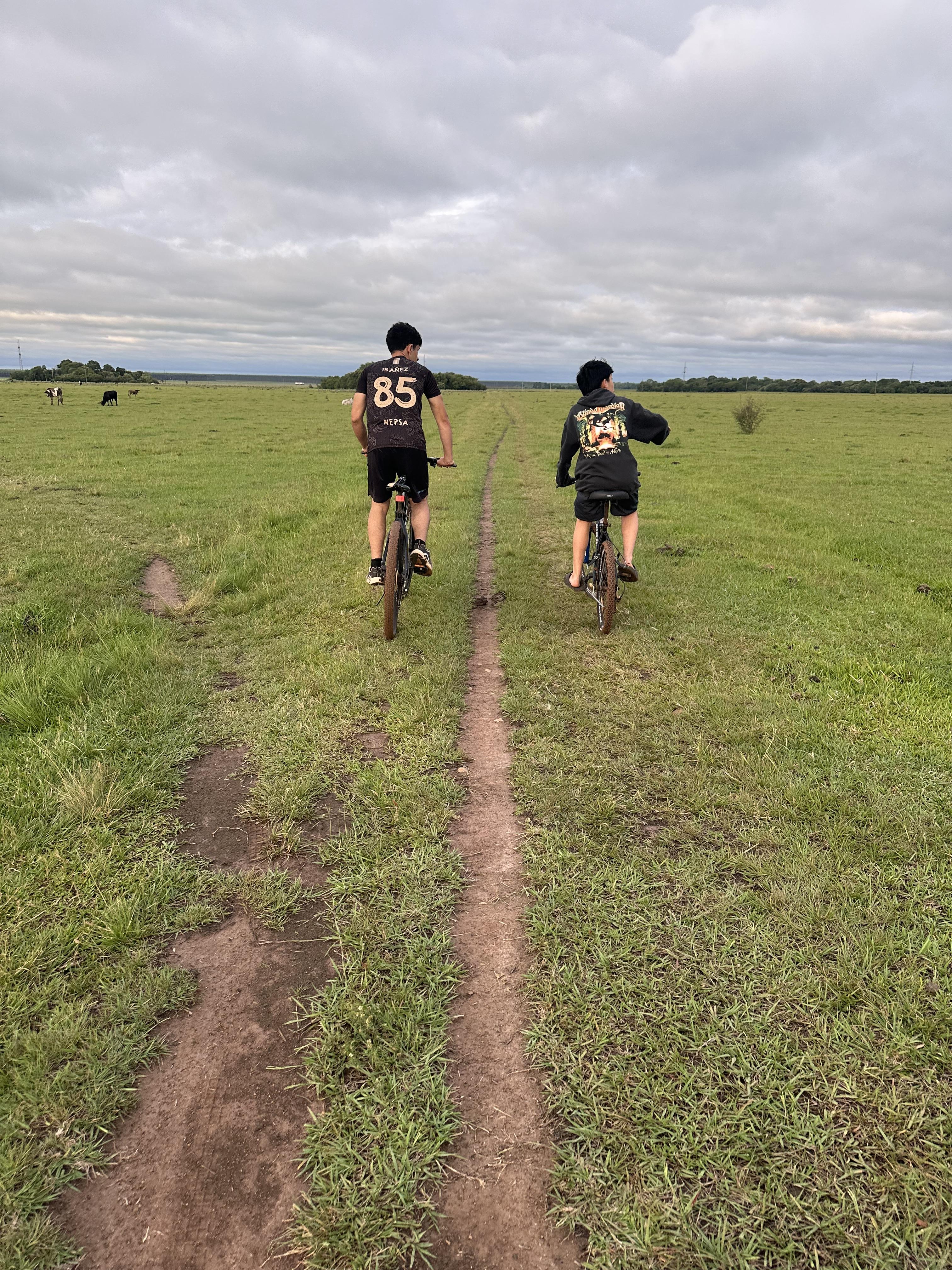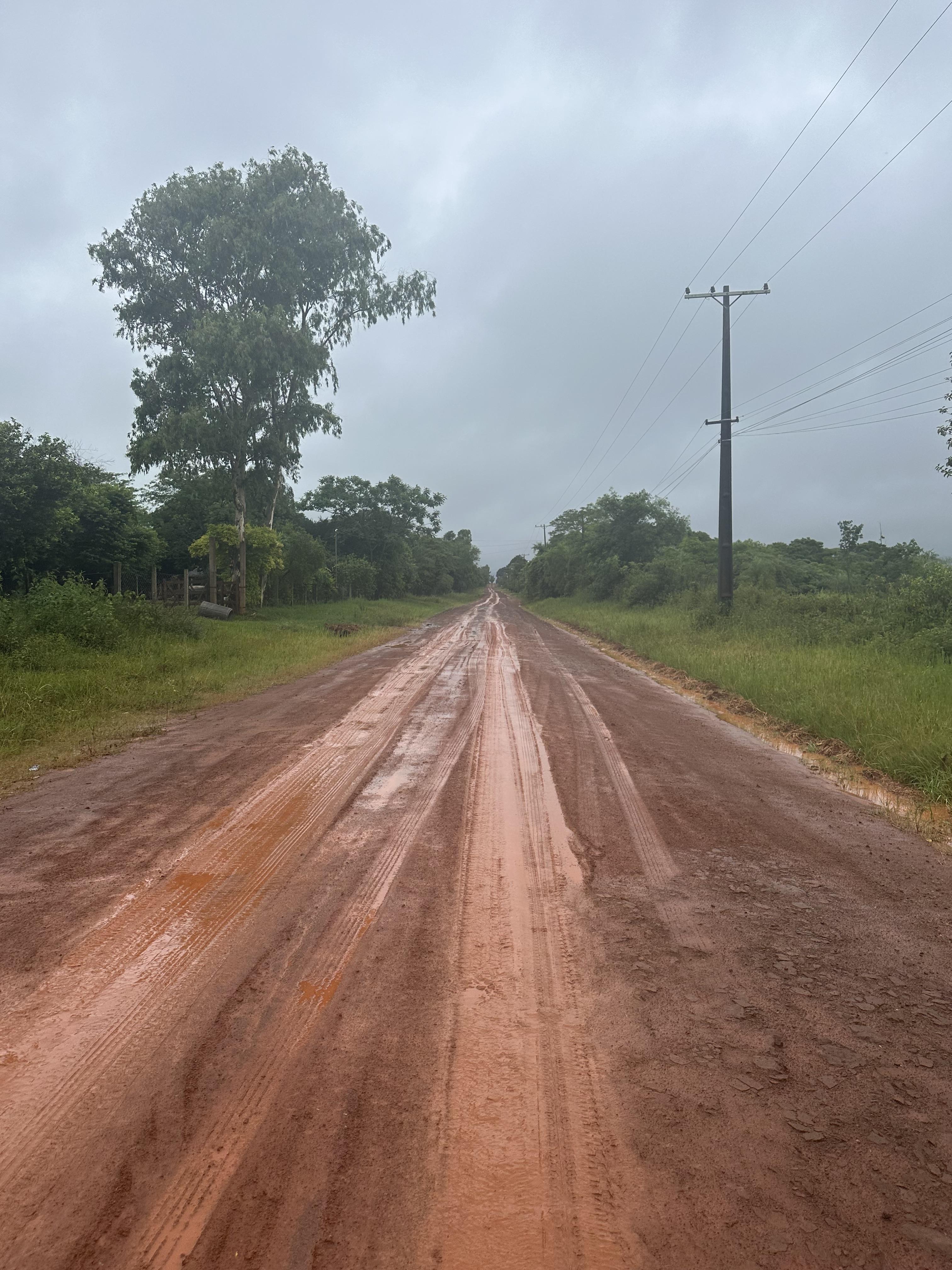
Contrary to what one might think, the dry chaco actually has the largest amount of remaining forest in Paraguay, probably due to its relatively sparse population in comparison to the southeastern region of the country. Its name literally means “Hunting Land” in an Indigenous language form the Andes region, which speaks to its vast biodiversity. My "department" is called Itapua, which is roughly equivalent to what a state would be in the United States. Itapua is split between the humid chaco and the Atlantic forest, with the Atlantic forest in the eastern part of the country on the border with Brazil, while the humid chaco is located further west. My town is located in the humid chaco region, but it is also very close to the Atlantic forest. The humid chaco is mainly made up of savannah palms, grasslands, and forests, as well as a diverse group of birds. In comparison to the dry chaco, this region receives more rain, hence the name. The Atlantic forest is most likely named due to the dense forest it once contained, which has since changed due to economic and environmental factors.
Paraguay is a tropical environment, meaning that many fruits can grow here that do not grow in other regions. Mango and orange trees are very common here, and they produce a rich abundance of fruit, assuming that there is sufficient rainfall during the fruiting season. The large quantity of open and rich green space makes Paraguay an ideal environment for raising cattle, which is common both for people with small family farms and large industrial companies.