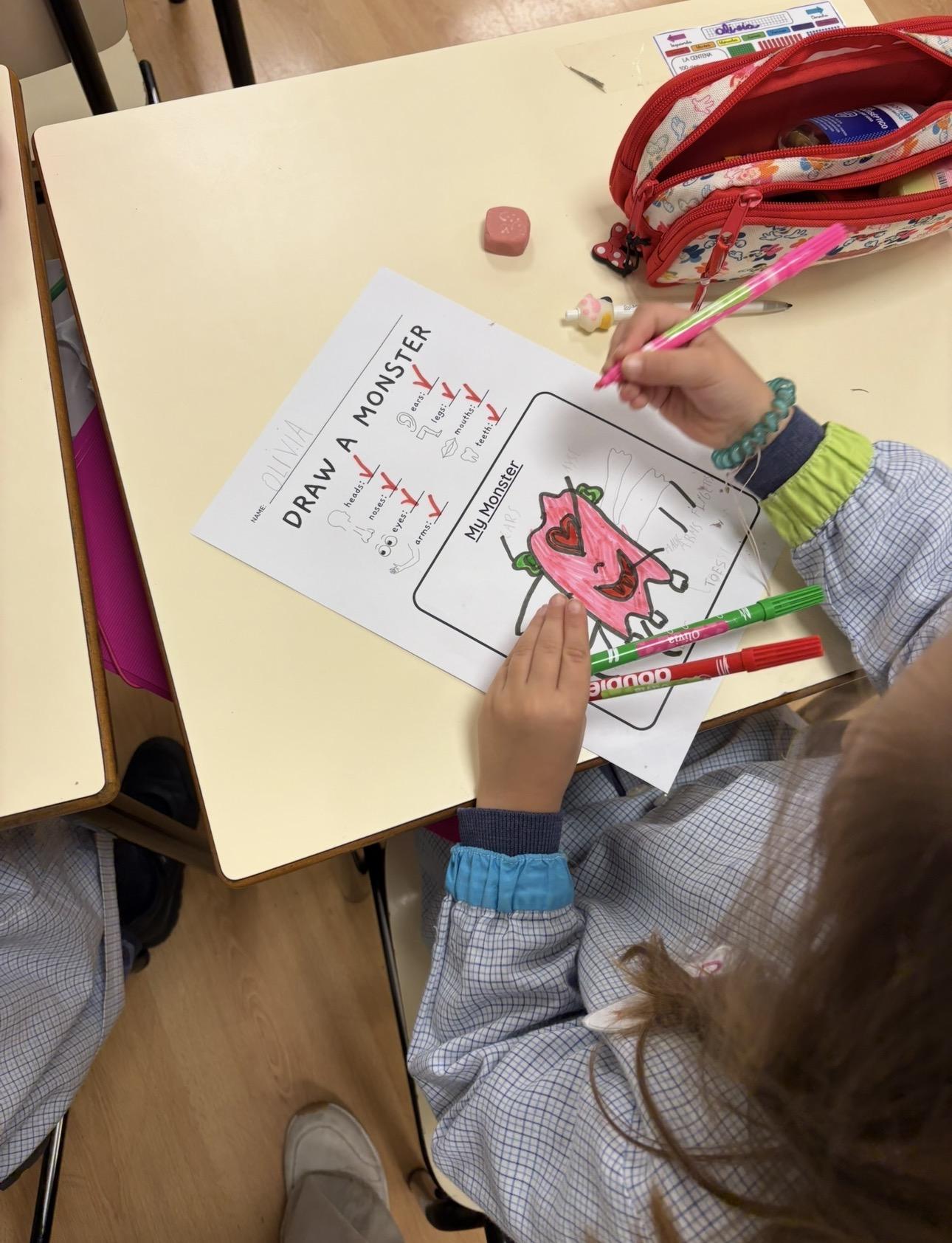
When students arrive at school, they go straight to their classrooms. Unlike in many U.S. schools, there are no morning announcements, no pledge of allegiance and no first bell. In fact, there are no bells at all during the school day. Teachers have to check the time to know when classes start and end. Then, each teacher tells their students when class is over. Since there are no bells, classes usually do not start on time. The school schedule is more relaxed, and teachers do not mind starting or ending class a little late.
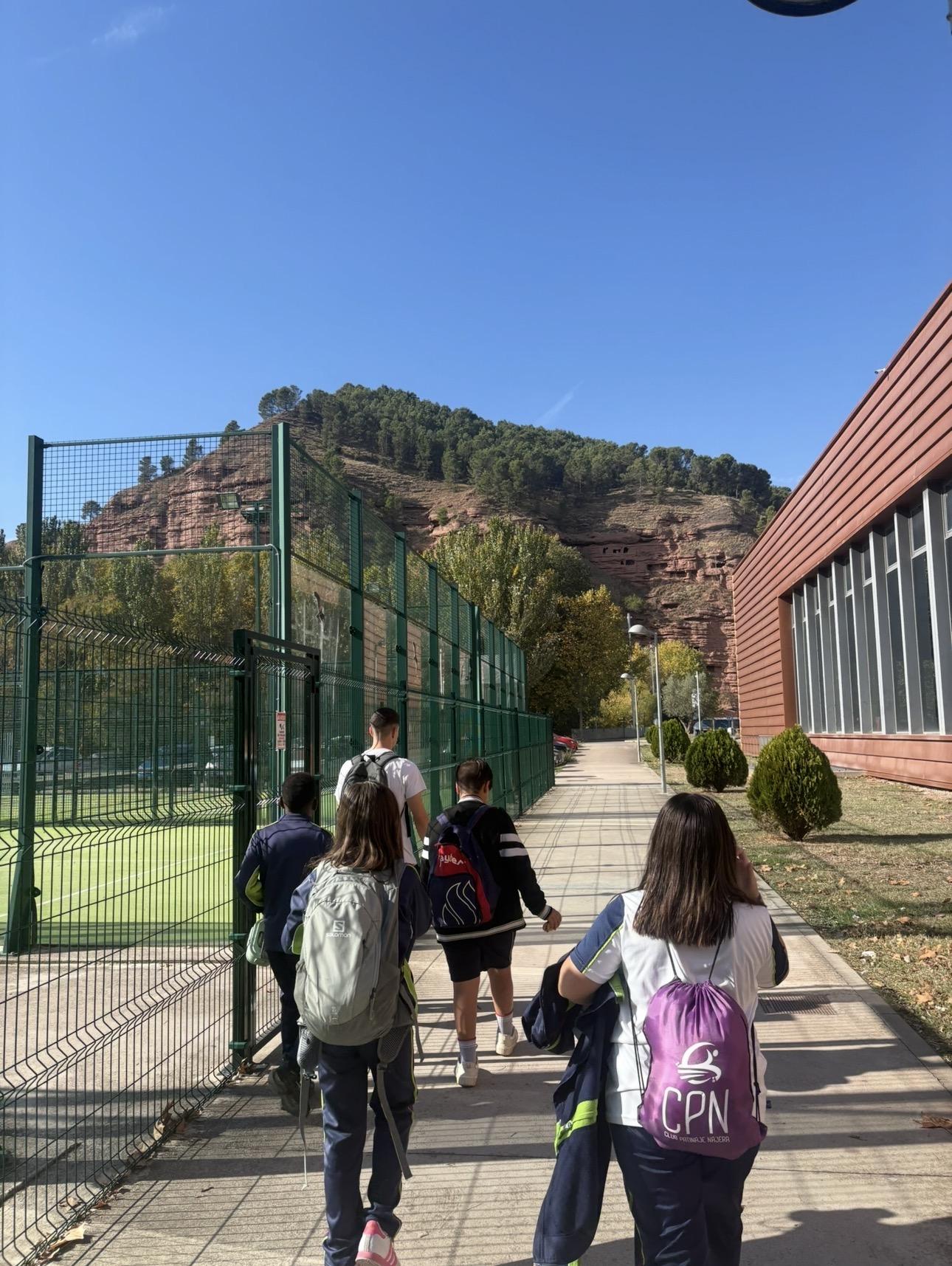
In the United States, students (especially older students) often change classrooms for different subjects. In contrast, in Spain, students stay in the same classroom all day, and the teachers move to different rooms instead. For example, my seventh-grade class stays in one room. First, their science teacher comes to the classroom. Next, the math teacher comes. Then I come to their classroom to teach English. (Because I change classrooms so often, sometimes it is hard for me to remember which classroom I need to go to!) Later, the seventh graders also have art and music classes in the same room. The only class that is not in their classroom is physical education. PE takes place outside, even in the winter. When it is raining, PE takes place under a tall structure that covers some of the courtyard.
Each day, students have three breaks that are 20 minutes long. They are called recreos (breaks) and are the time when students eat a snack, play soccer and chat with friends. A typical Spanish snack for a student would be a sandwich, fruit and juice from home.
Lunch is also different in Spain. Students do not eat lunch at school, but rather at home. Lunch is usually around 3:00 p.m.