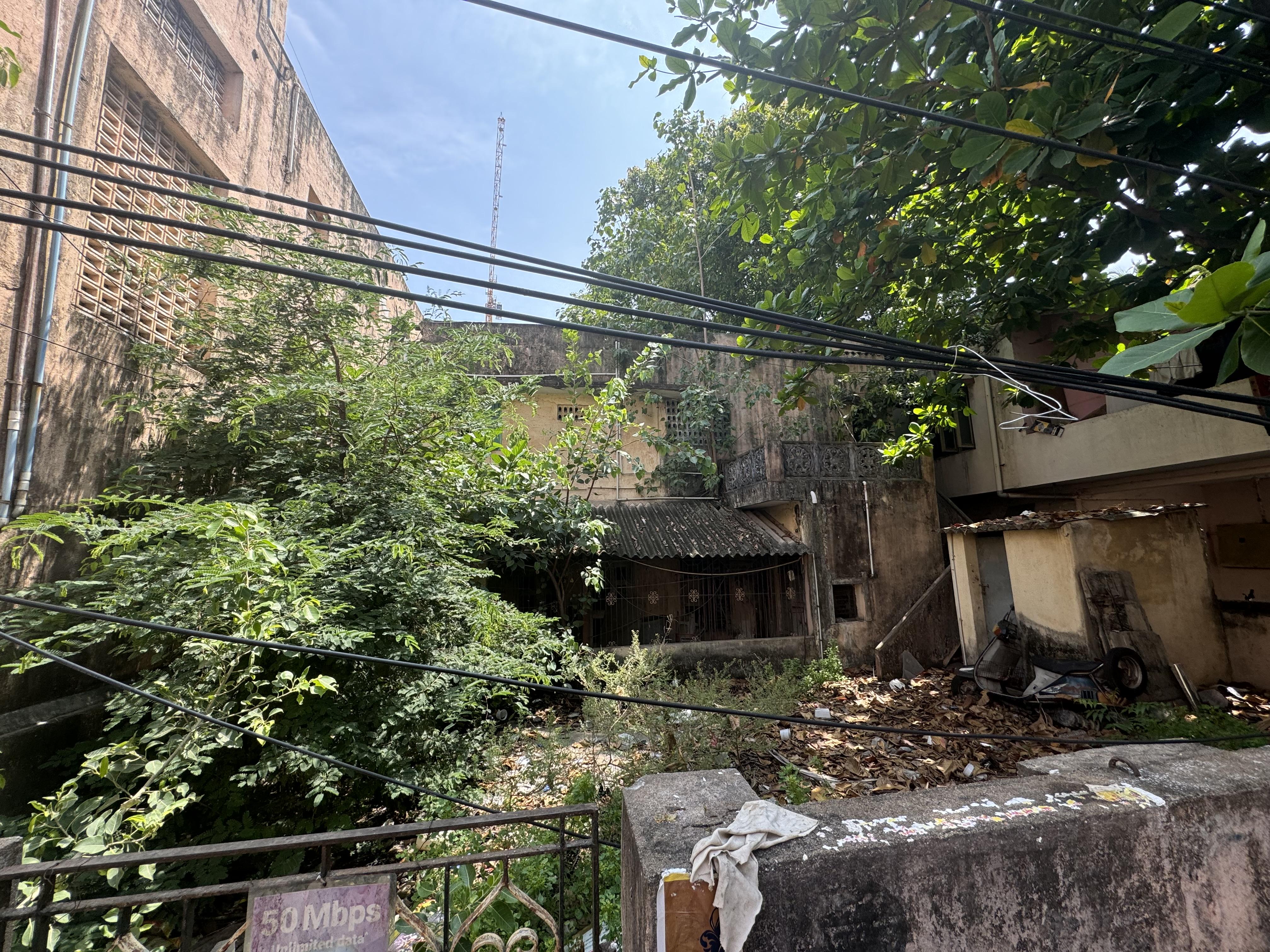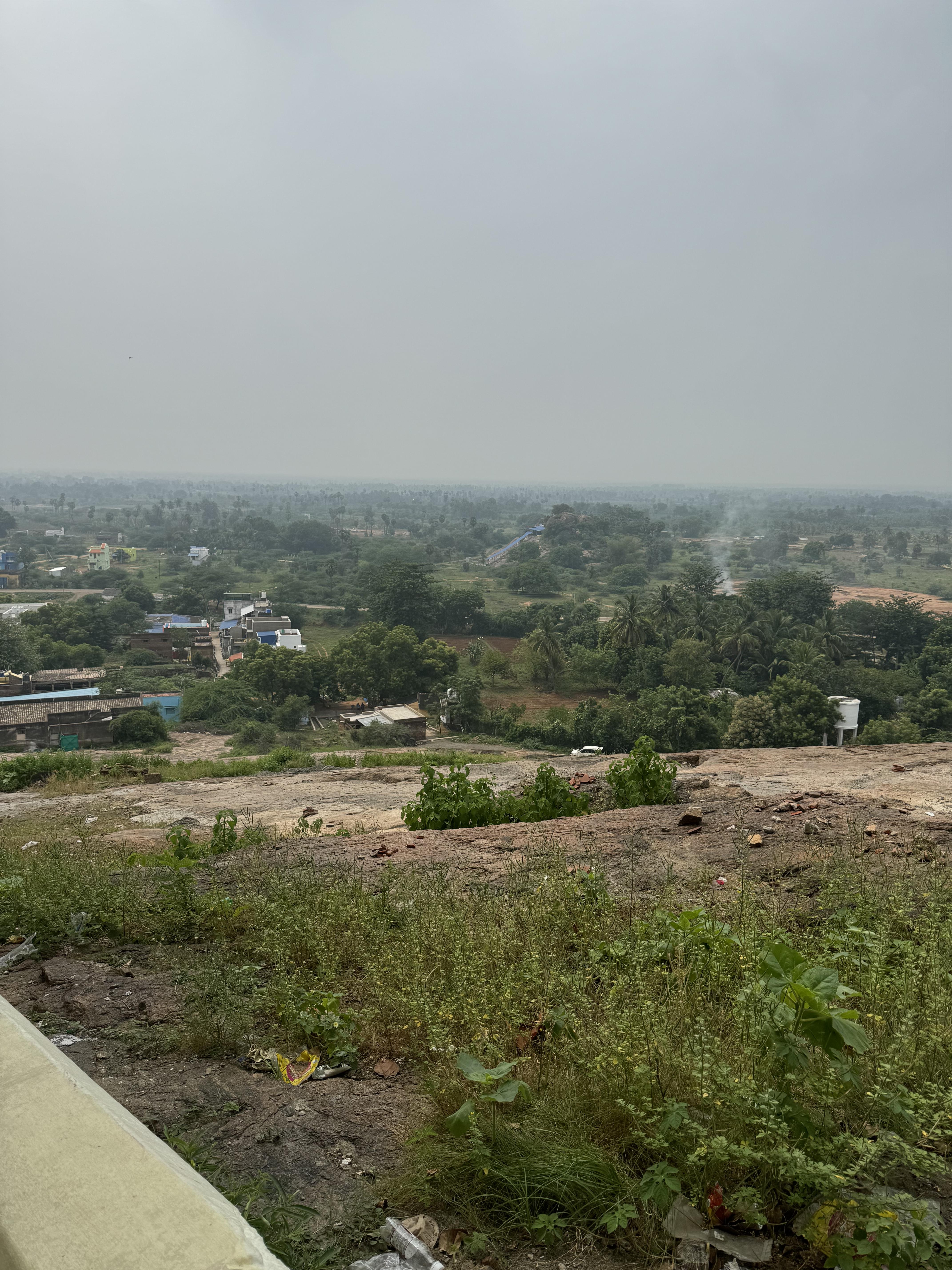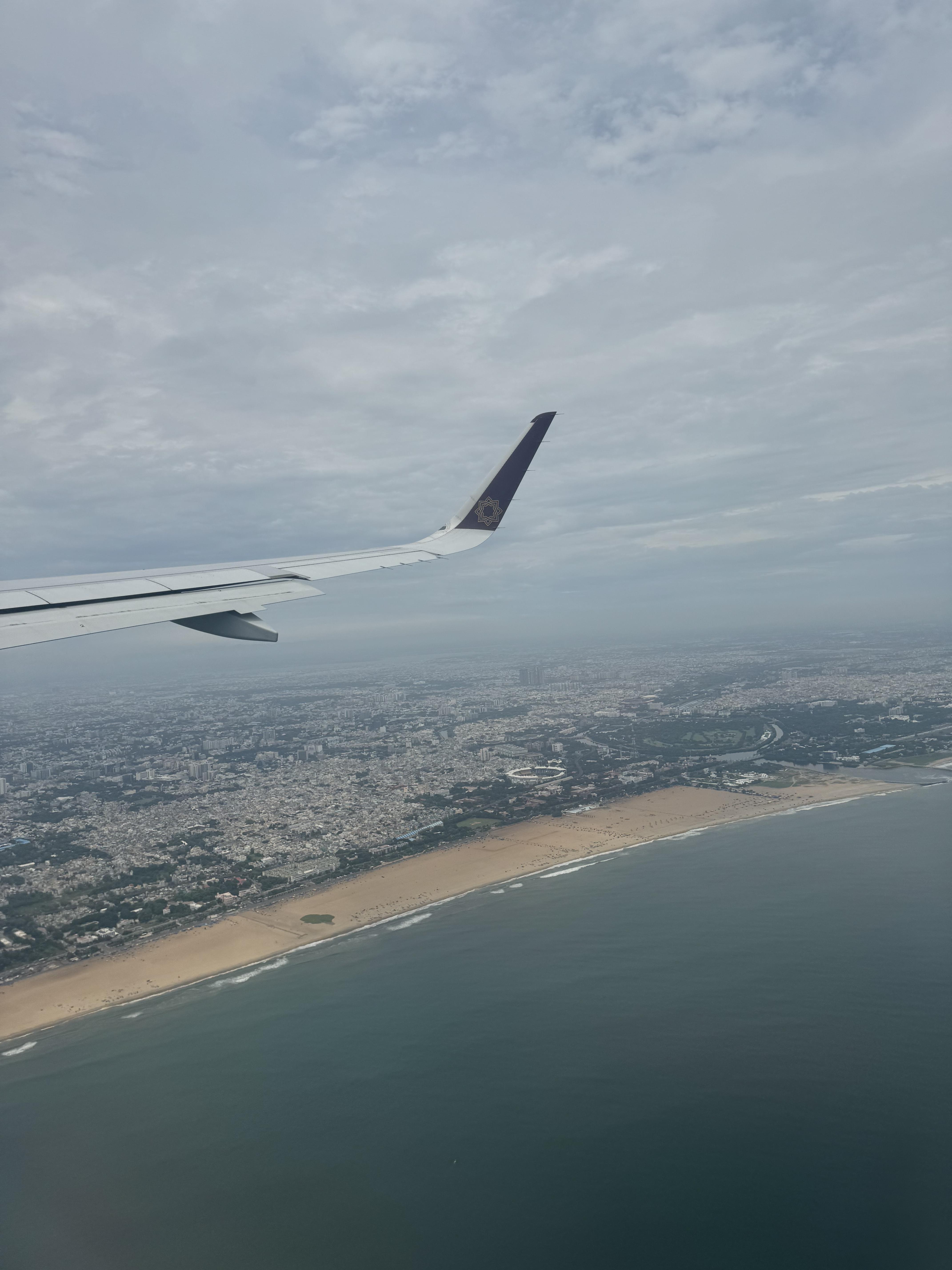
And because environmental regulations are not always strictly enforced, littering and pollution often go unchecked, contributing to poor air quality, unpleasant odors and road obstructions.
People adapt constantly to these environmental constraints. Motorcycles are widely used because they take up far less space than cars and can maneuver more easily through narrow roads and heavy traffic. Shops and businesses often expand vertically rather than horizontally in order to make the most of limited land, leading to buildings with multiple stores stacked on top of one another. Pedestrians also adapt by walking wherever possible whether that be on roads, between vehicles, and along narrow paths, using any available space to get around. At the same time, communities continue to rely on natural elements such as trees and seasonal rainfall to help regulate pollution and sustain agriculture. Overall, adaptation in India is driven by necessity, with each environmental challenge compounding the next and shaping how people move around and live. The environment is not static. Rather, it is something with which people are constantly negotiating and reshaping to fit their daily lives. This coexistence makes India feel very alive and dynamic.