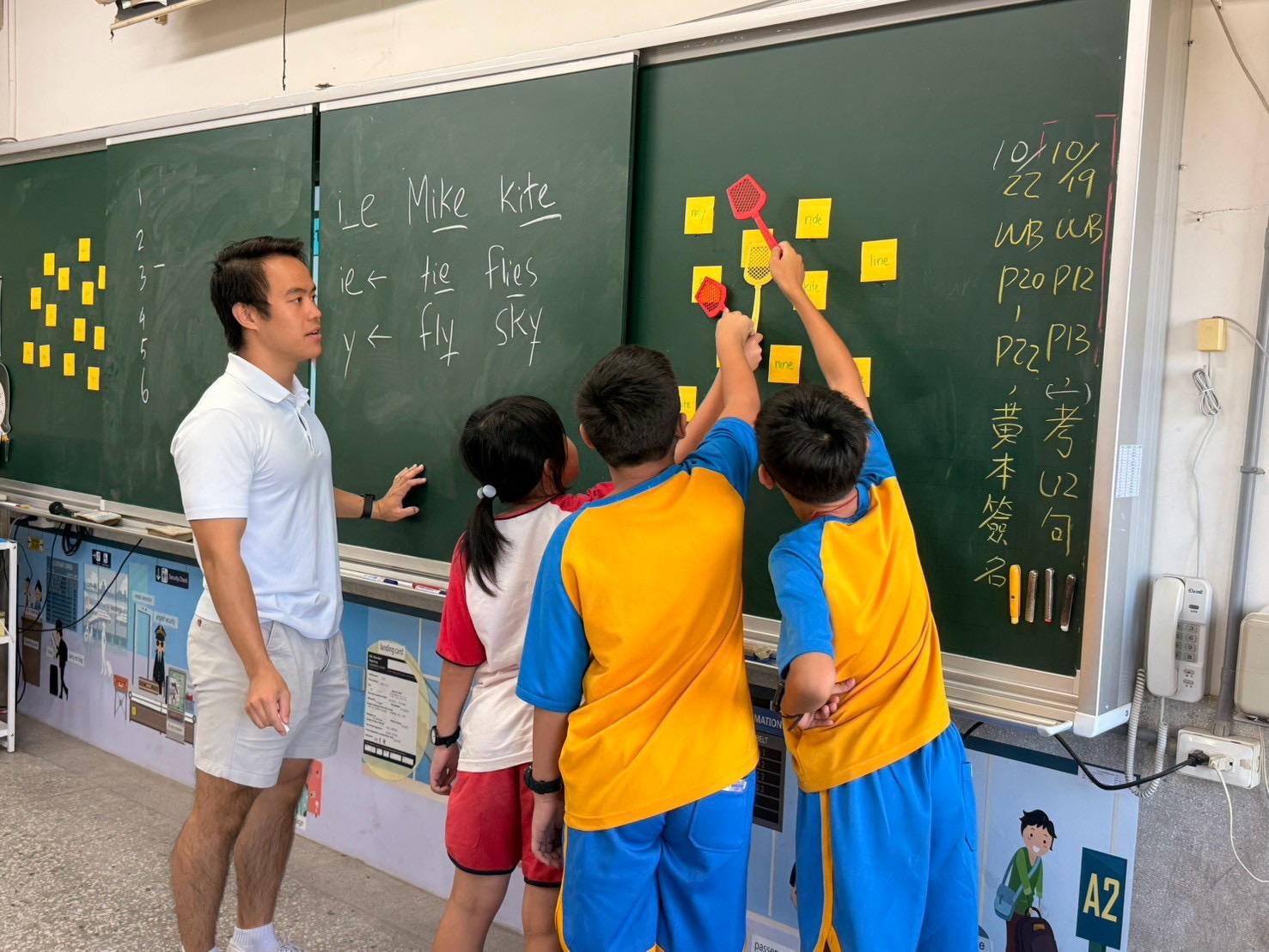
In fact, a 2023 survey estimated that about 60% of children attend cram school 補習班 (bǔxíbān), occupying most of a student’s after-school and evening time. More than 93% of children sleep less than the recommended eight hours a night, and students exercise only about 1-3 hours per week on average.
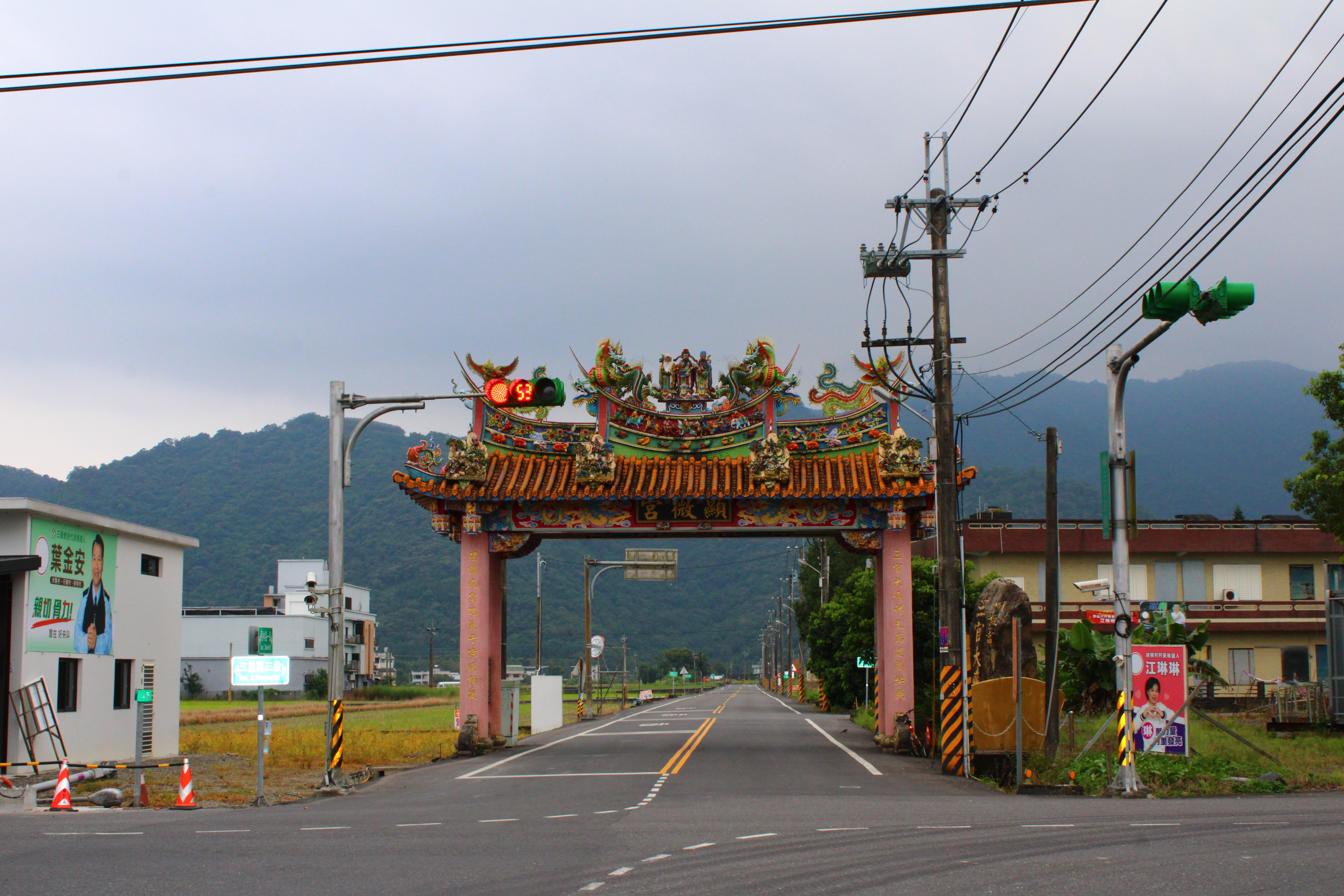
Taiwan has invested heavily in procedures and infrastructure to prepare for natural disasters. Since 1999, stricter building codes, recurring earthquake drills and school evacuation exercises have been put in place to save lives and help people respond quickly when disaster strikes. The drills have continued to evolve: in 2025, the national exercise added a tsunami scenario for the first time. Preparation for storms is routine as well, and local governments cancel work and school on typhoon days 颱風假 (táifēngjià) when conditions are dangerous.
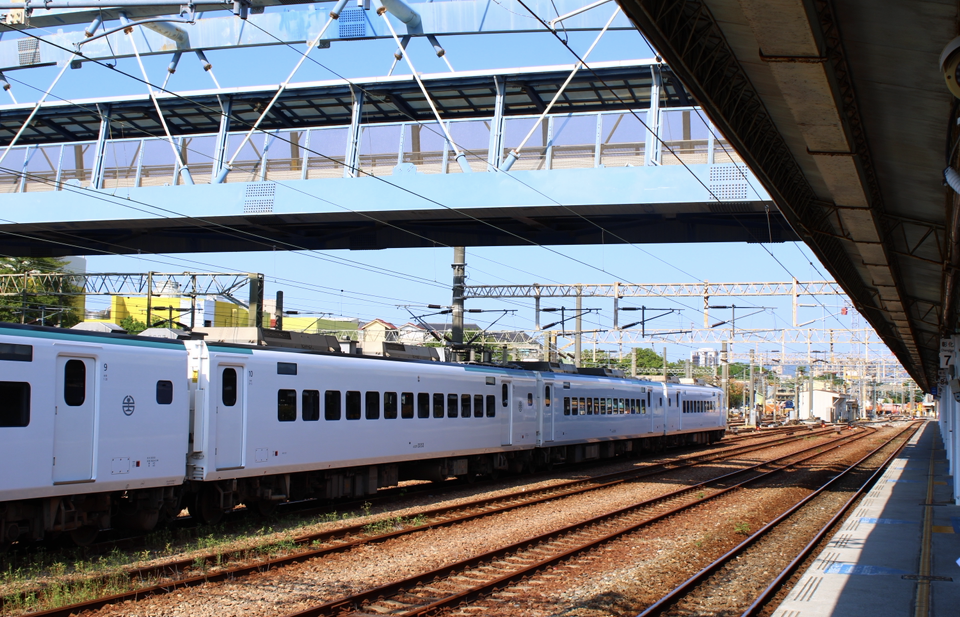
Taiwan’s dense population and mountainous terrain have also inspired a robust transportation system. The public transit system consists of the Taiwan Railways Administration 臺鐵 (Táitiě), the High Speed Rail 高鐵 (Gāotiě), city subways 捷運 (jiéyùn), buses 公車 (gōngchē) and numerous bike-share services, most of which a single EasyCard 悠遊卡 (yōuyóukǎ) can pay for. Even though I live in a more remote area of Changhua County, I have plenty of ways to reach the city. Scooters and motorcycles 機車 (jīchē) are also a defining part of daily life in Taiwan. With nearly 15 million scooters for its 23 million people, narrow streets, easy parking, low costs and year-round riding weather make them the practical choice for much of daily life.