People do it for fun among their friends. Each tradition shows a different part of Korean culture, including family, respect, celebration and food.
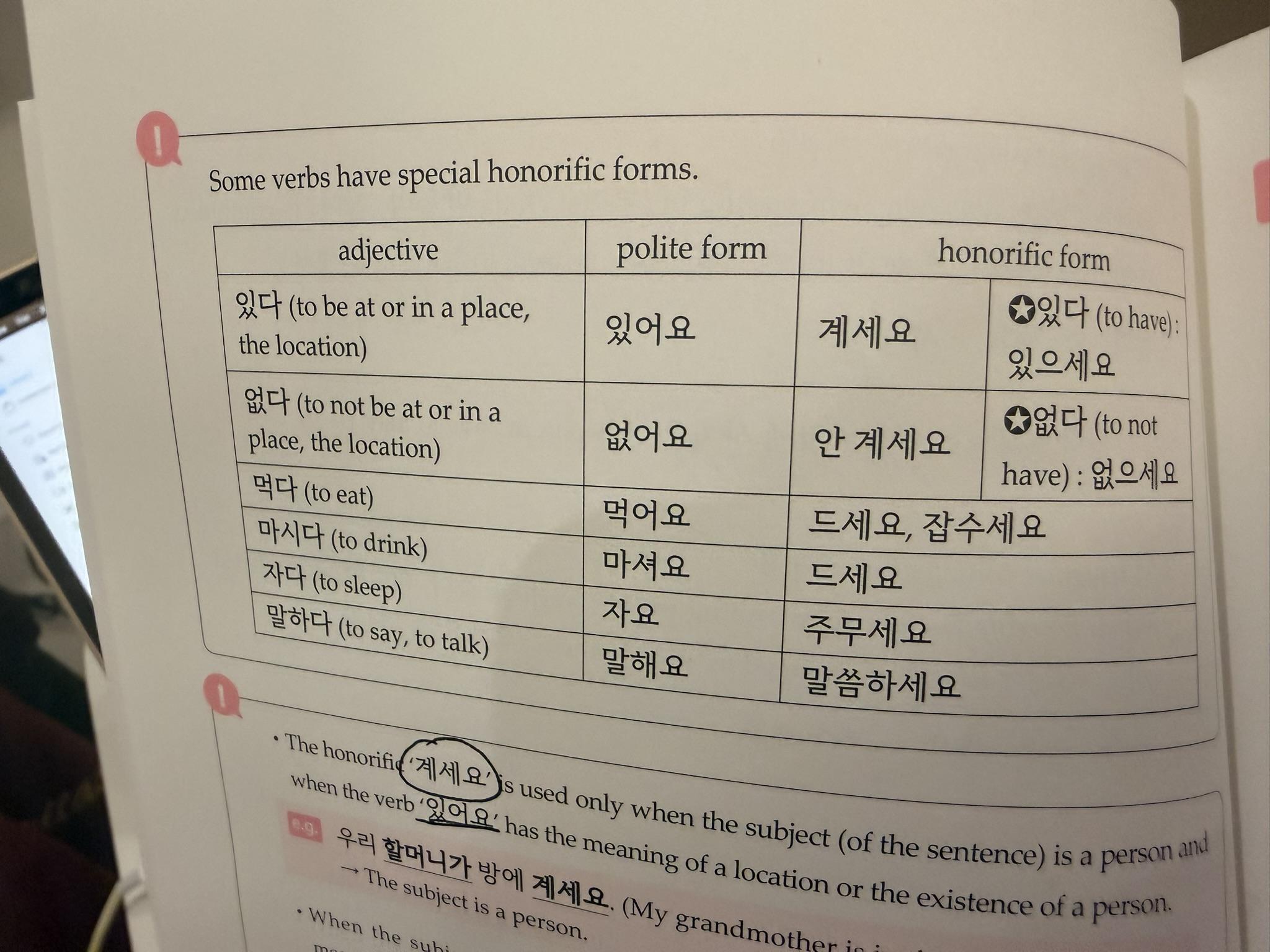
These traditions are important to the Korean community because they help people stay connected to their family, history and culture. Big holidays like Seollal and Chuseok bring families together to celebrate and remember their ancestors. Traditions like bowing and using formal grammar teach children to respect their elders. Wearing a hanbok helps people celebrate Korean history and show pride in their culture and heritage. It also allows other people to do the same when trying one. Children’s Day is important because it reminds families that children are important and should be loved, protected and celebrated. Fun traditions like Black Day show how food and friendship are a big part of Korean culture. These traditions continue because they help the community share values like respect, togetherness, celebration and care for one another.
In many ways, Korean traditions are connected to Korea’s environment because many of them are shaped by the seasons, nature and the way people live together. Chuseok is connected to the harvest season, which is during the fall, because it is a time when families give thanks for the food grown from the land.