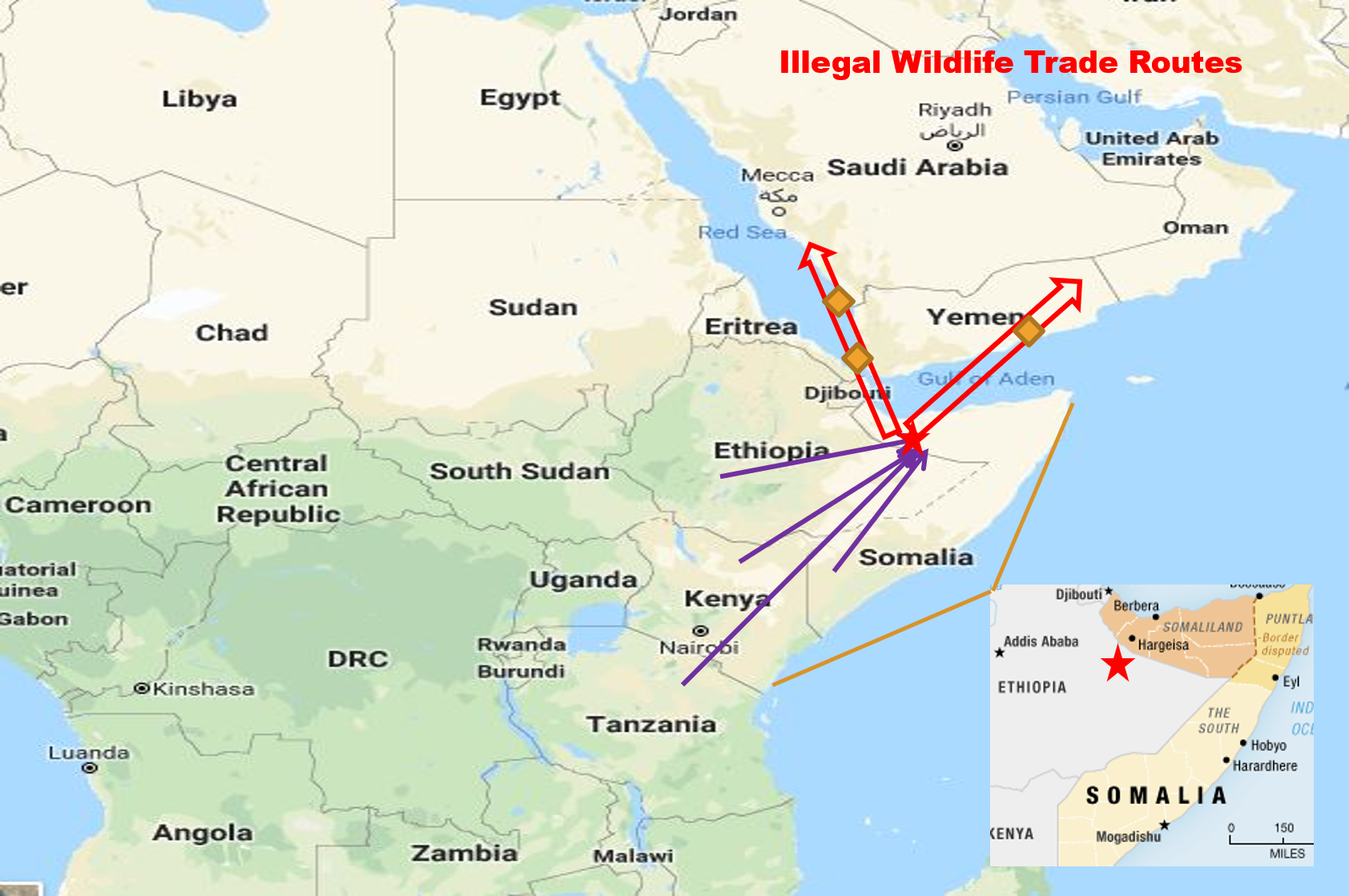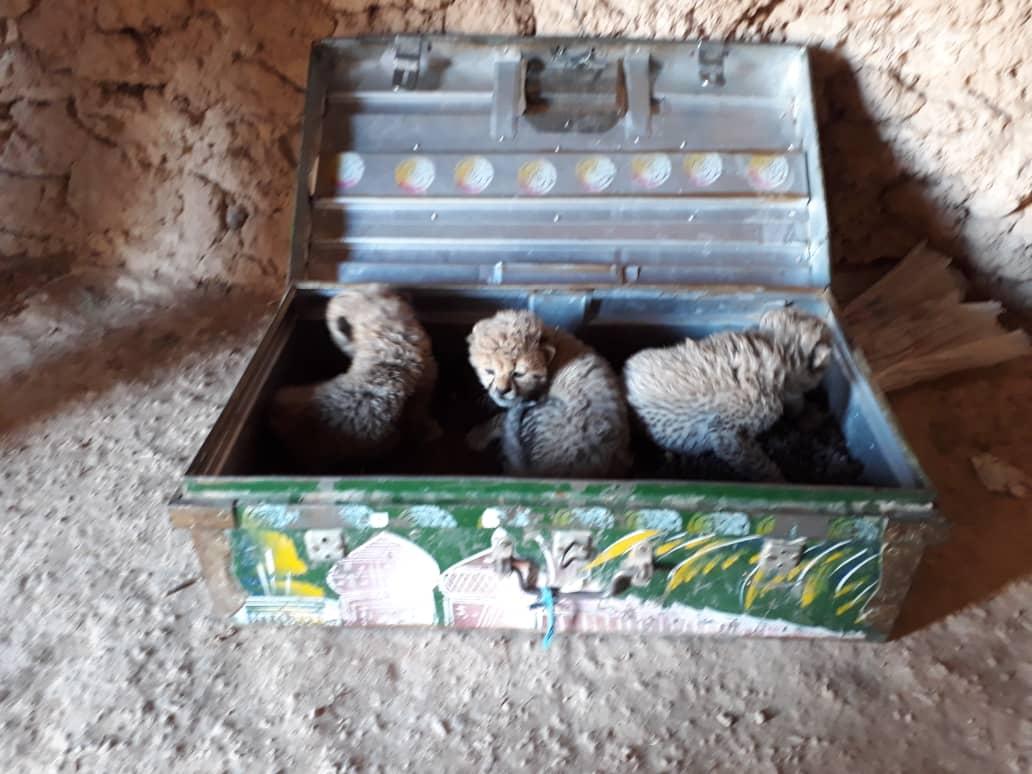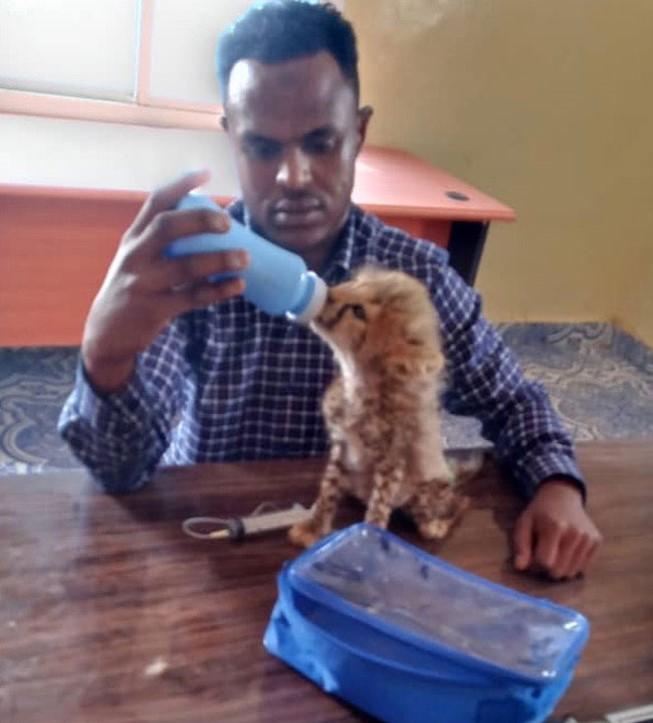
People in the Middle Eastern countries often want to have cheetahs as pets, due to their more docile nature and easy trainability. However, cheetahs do not breed very well in captivity, meaning that in order to supply these animals for the pet trade, they have to be sourced from the wild. The Horn of Africa is very close to the Middle East, and getting across the ocean takes only a few hours there, so cubs are trafficked through that region after they are taken from their mothers.
Sometimes, farmers see cheetahs with babies on their property and take them so that they don't have to worry about the animals hurting their livestock when they are older. Other times, it is an organized crime group that participates in the illegal wildlife trade specifically. They will find the moms, follow them to their dens, and either shoot them or chase them away in order to take the babies.
As cheetahs are very susceptible to stress, and it takes several days or weeks for the cubs to make it to their destination, they often get very sick during the process. They are usually confined to a small area, tied up, and not given appropriate food for their age or species. Unfortunately, only 1 in 5 cubs trafficked make it to their destination in the Middle East, and after that, most still perish due to inadequate care from their new "owners."
The Cheetah Conservation Fund works very closely with the governments to teach people in these countries why it is important to leave the animals in the wild and not to keep them as pets. People are punished when they are caught with the animals, showing the communities that it is not ok for these actions to occur.