Sometimes, a farmer just sees a cheetah and shoots or traps it anyway, just in case it were to come after their livestock.
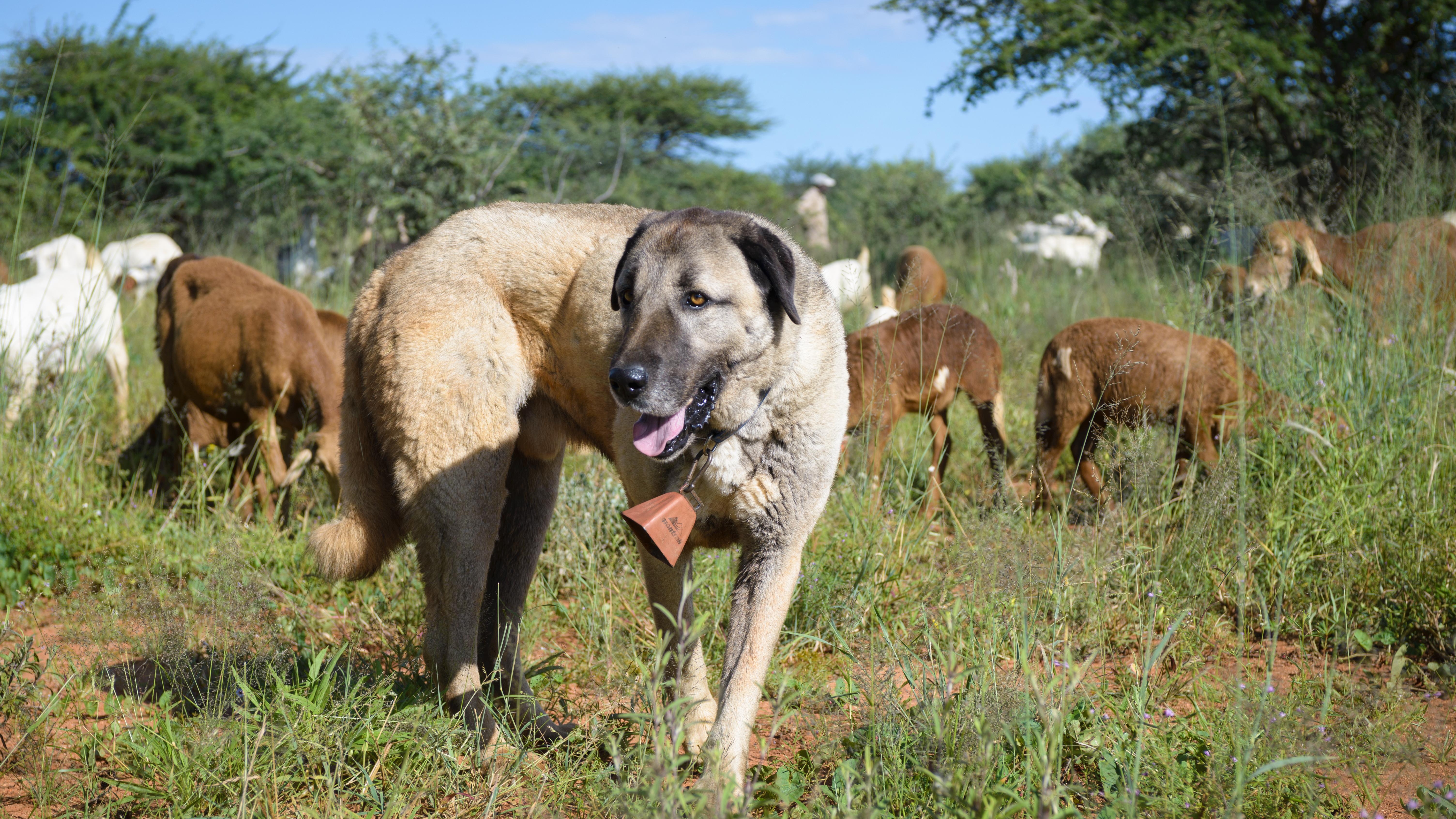
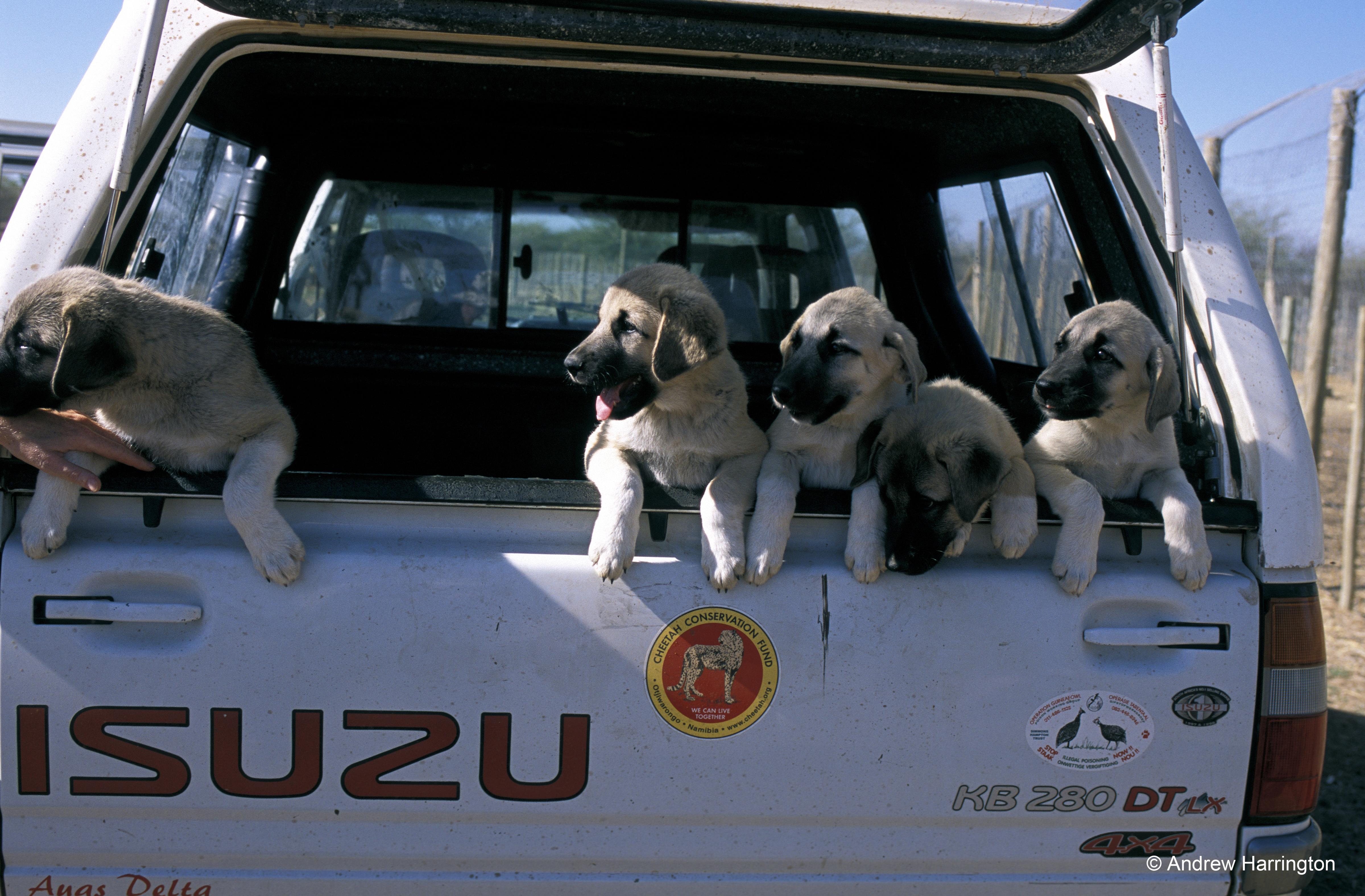
At the Cheetah Conservation Fund, we have several methods that we work with farmers to reduce this conflict, the most effective being the Livestock Guarding Dog Program. We raise Kangal or Anatolian Shepherds (very large dogs with deep, scary barks!) that are raised from puppies with the livestock and learn to treat them as their family, protecting them at all costs. The dogs sleep, eat, and play with the livestock, and at night when a predator (cheetah or not!) comes by, the dogs bark very deep and loud and scare them away from the livestock! These puppies are placed with farmers far and wide, and we teach the farmers how to care for the dogs after placement. This has reduced livestock predation in Africa 80-100% and has been extremely effective to keep cheetahs safe.
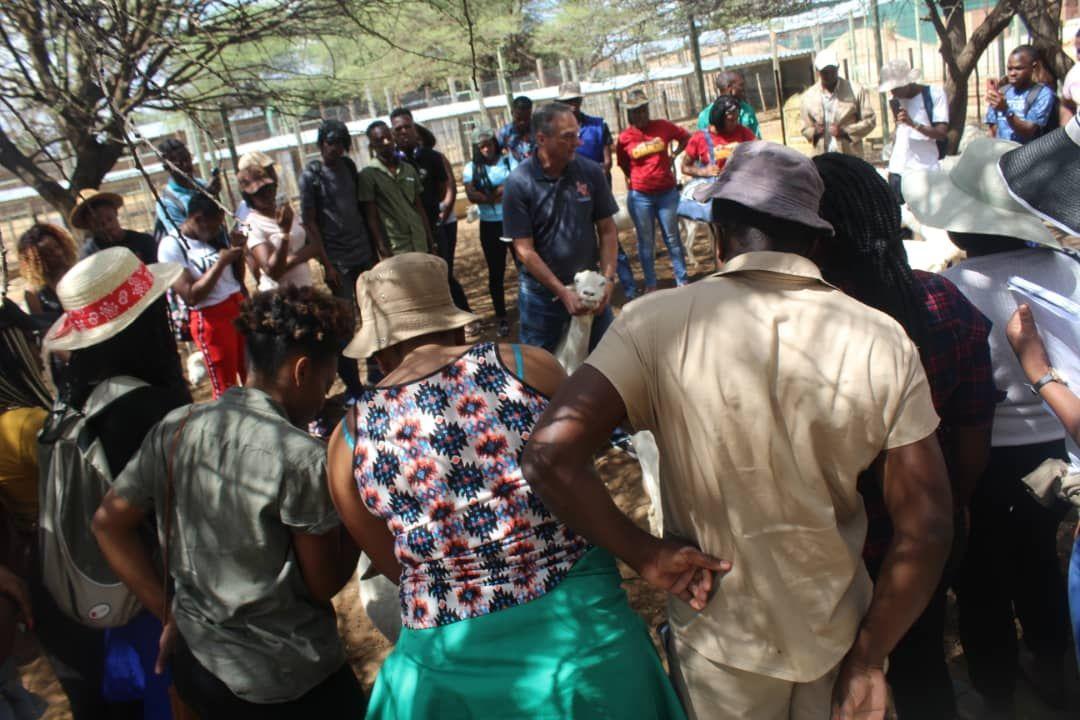
Another program that CCF has to help farmers learn is the Future Farmers of Africa Program. This program educates farmers from the neighboring towns in Namibia on how to best care for their livestock (including putting up good fences, keeping them inside a small area at night, giving them vaccinations and good food to keep them healthy), and it also shows the farmers how to tell which kind of animal may have killed their livestock if they find one deceased. Different predators kill animals in different ways, so each "kill pattern" is different, allowing the farmer to be able to see which animal it was that actually did take their livestock's life, and not assume it was the cheetah, taking their anger out on them.
Cheetahs in North East Africa suffer a similar but also different type of human/wildlife conflict.