Today, Bastille Day is one of the biggest national holidays in France. There are fireworks, concerts, dances and parades across the country. In Paris, there is also a huge military parade on the Champs-Élysées (known as the most beautiful avenue in the world), and fireworks are launched near the Eiffel Tower. People gather outside late into the evening to celebrate together. Many people also wave French flags and sing songs connected to French history, such as “La Marseillaise,” the French national anthem, which was written 3 years after Bastille Day in 1972, as well as many other songs written over 300 years ago.
The community keeps this tradition alive because it reminds people of freedom, equality and unity. The French Revolution changed the country’s history, and Bastille Day helps people remember how citizens worked together to demand better rights and a fairer government. It is also a day for national pride and remembering the importance of democracy.
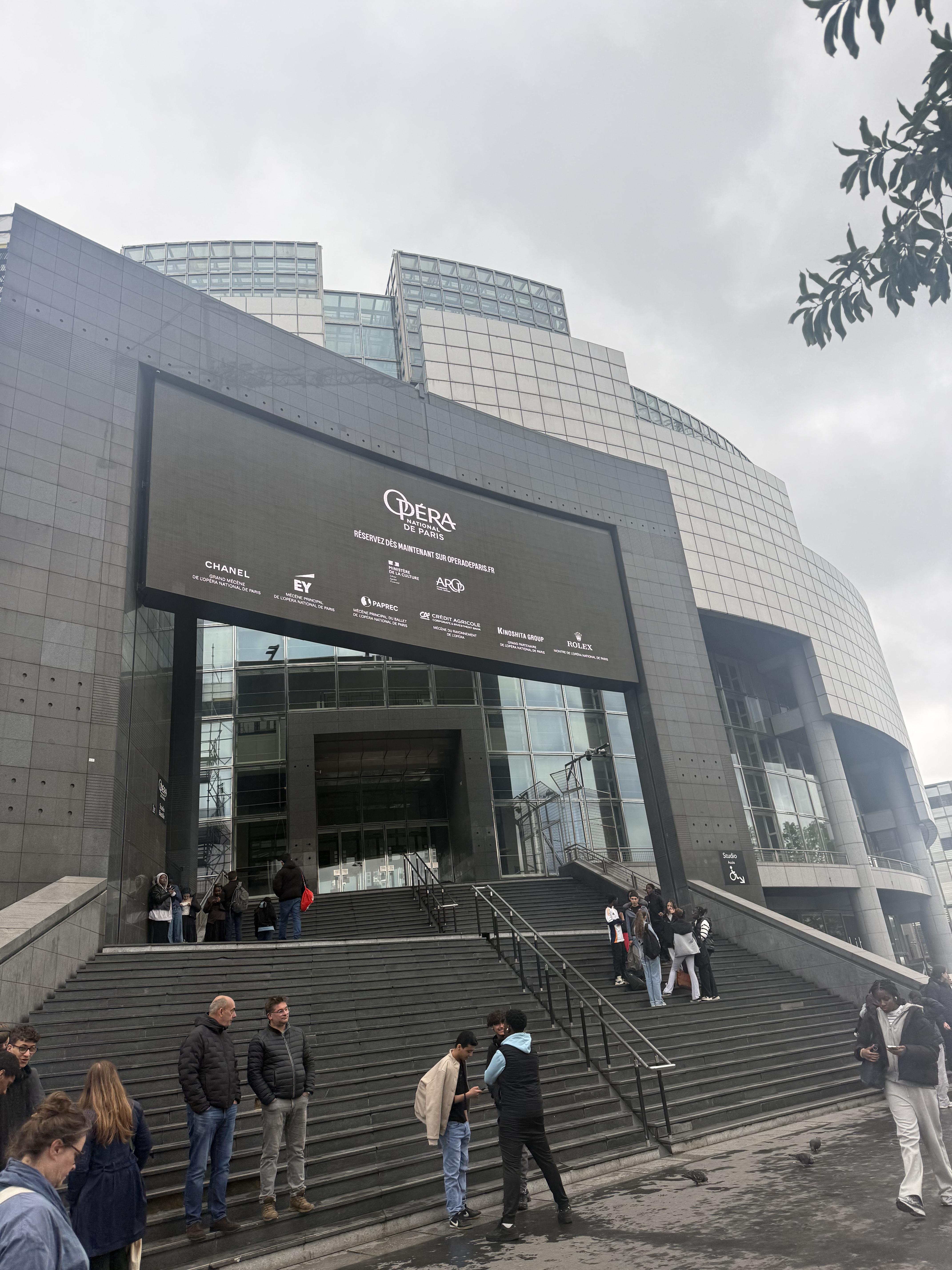
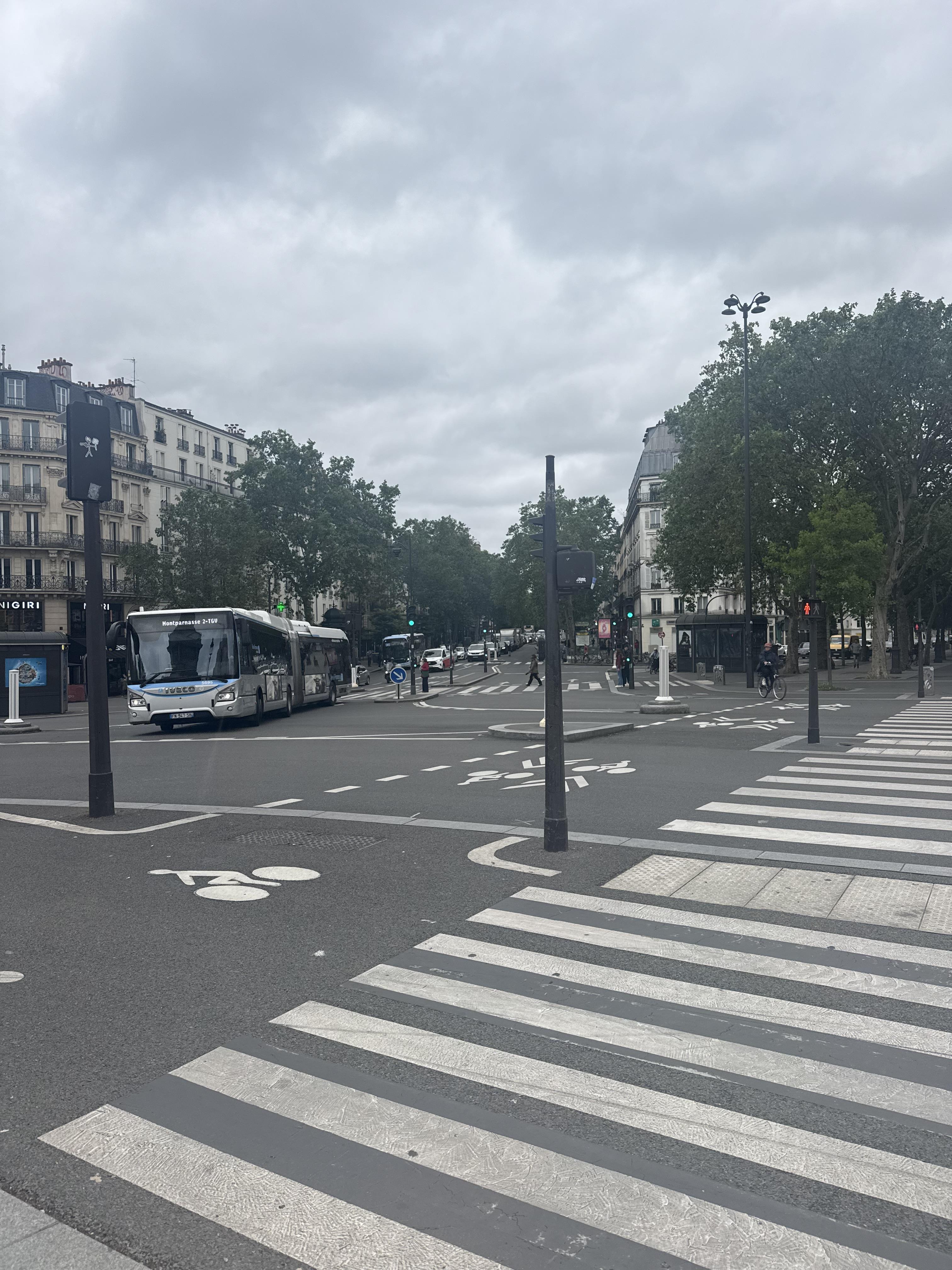
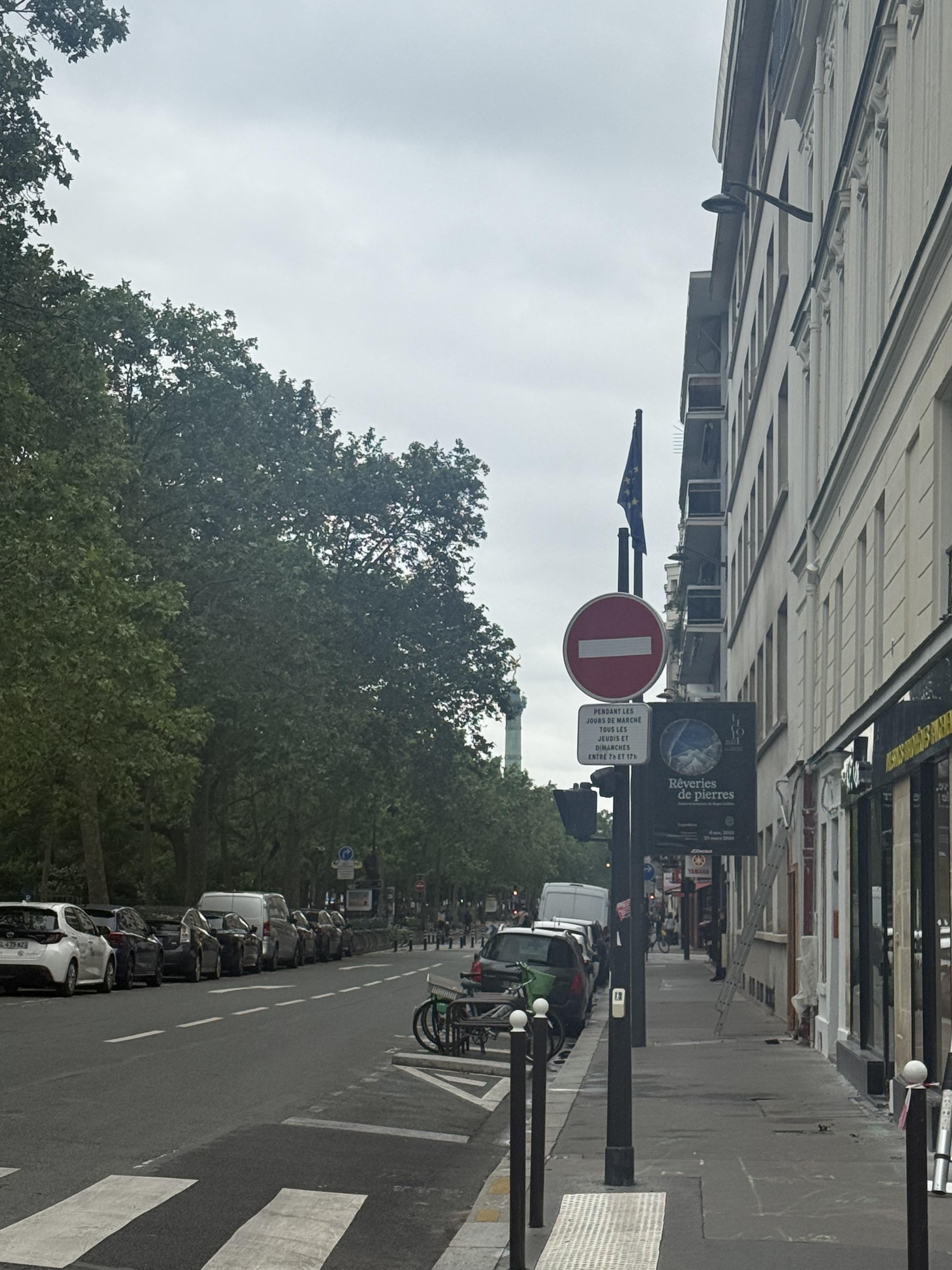
This tradition is deeply connected to Paris because a lot of the history actually happened there, especially around the Bastille. Being able to see the remnants of the Bastille during everyday metro rides gives the history a much deeper meaning. The environment and architecture of Paris have a huge impact on this tradition, as the area has wide streets and open spaces where people still gather today for celebrations, marches and protests. In July, the weather is usually very warm, so people can stay outside to watch fireworks, listen to music and celebrate together late at night.