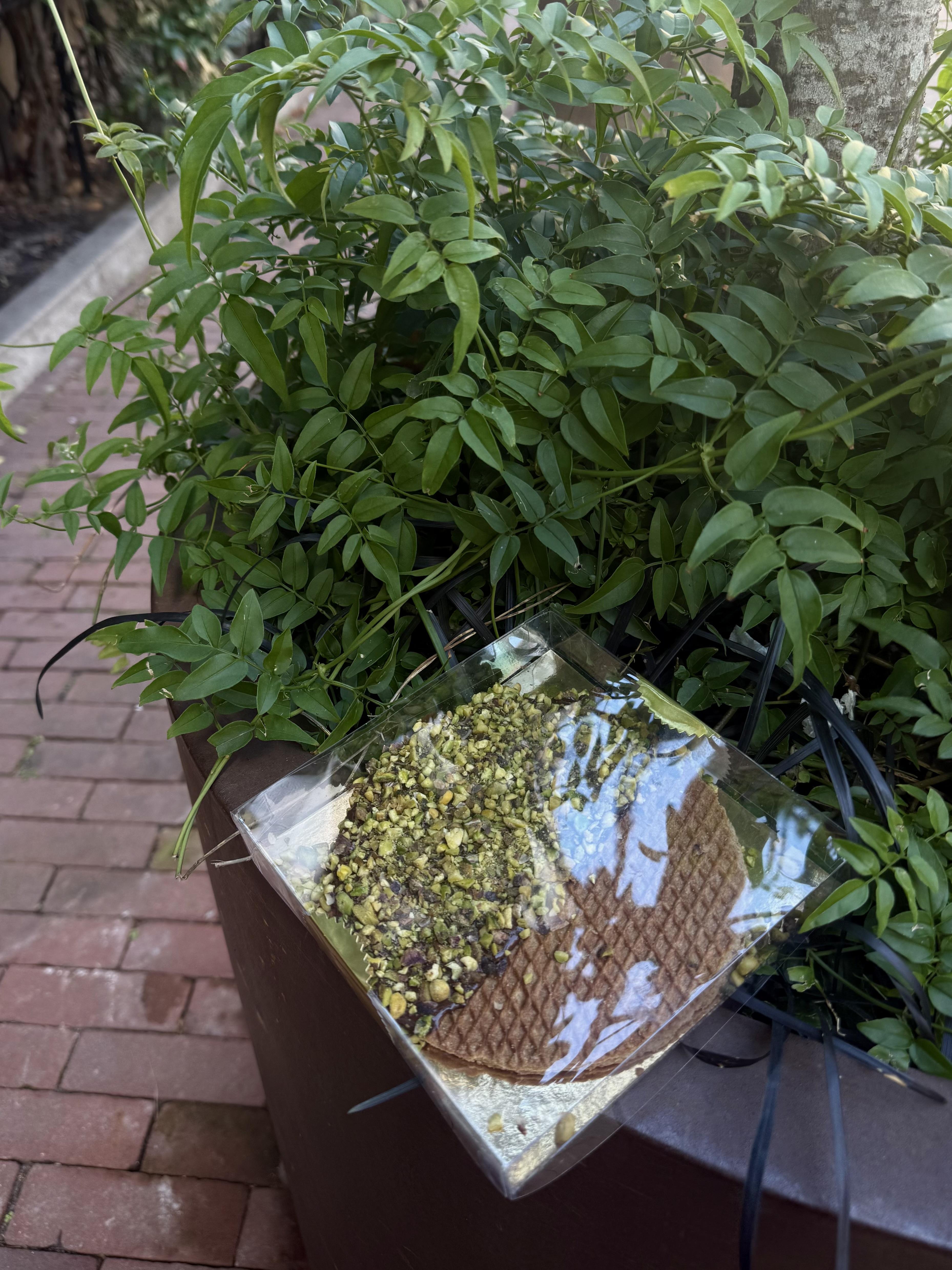
Last week, I traveled from Heidelberg to the Netherlands for five days, excited to explore the country's museums, historic landmarks, and canals (and, of course, eat plenty of stroopwafels). I was especially interested in Dutch history and how the country remembers and presents its past, a curiosity that stayed with me throughout the trip.
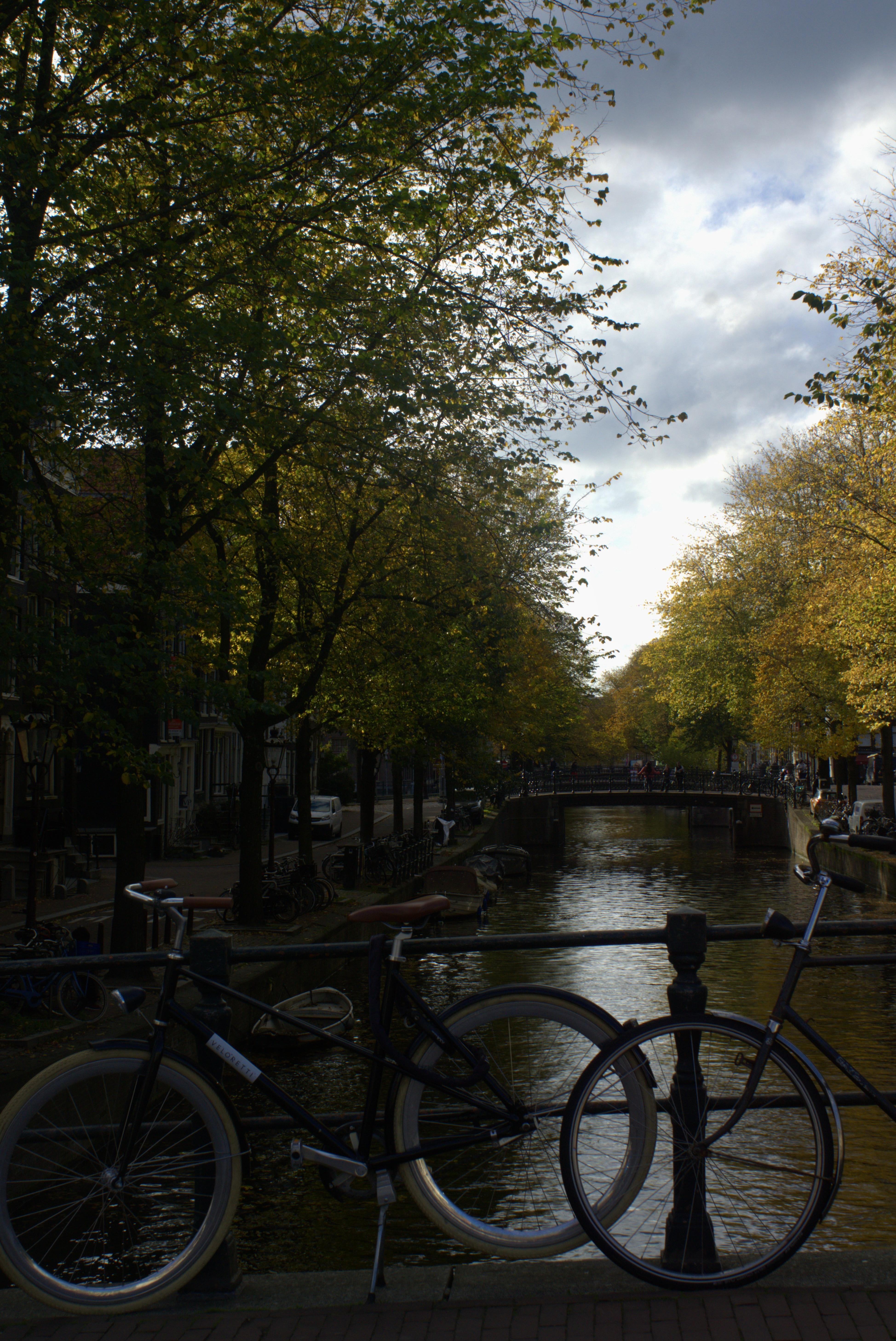
I spent my first three days in Amsterdam, the bike-filled capital of the Netherlands. I stayed in a hostel and spent most of my time walking along the canals, visiting museums, meeting fellow solo travelers, and stopping for food whenever something caught my eye. Amsterdam is a wonderful city to explore on foot, with narrow streets, historic buildings, and seemingly endless bridges.
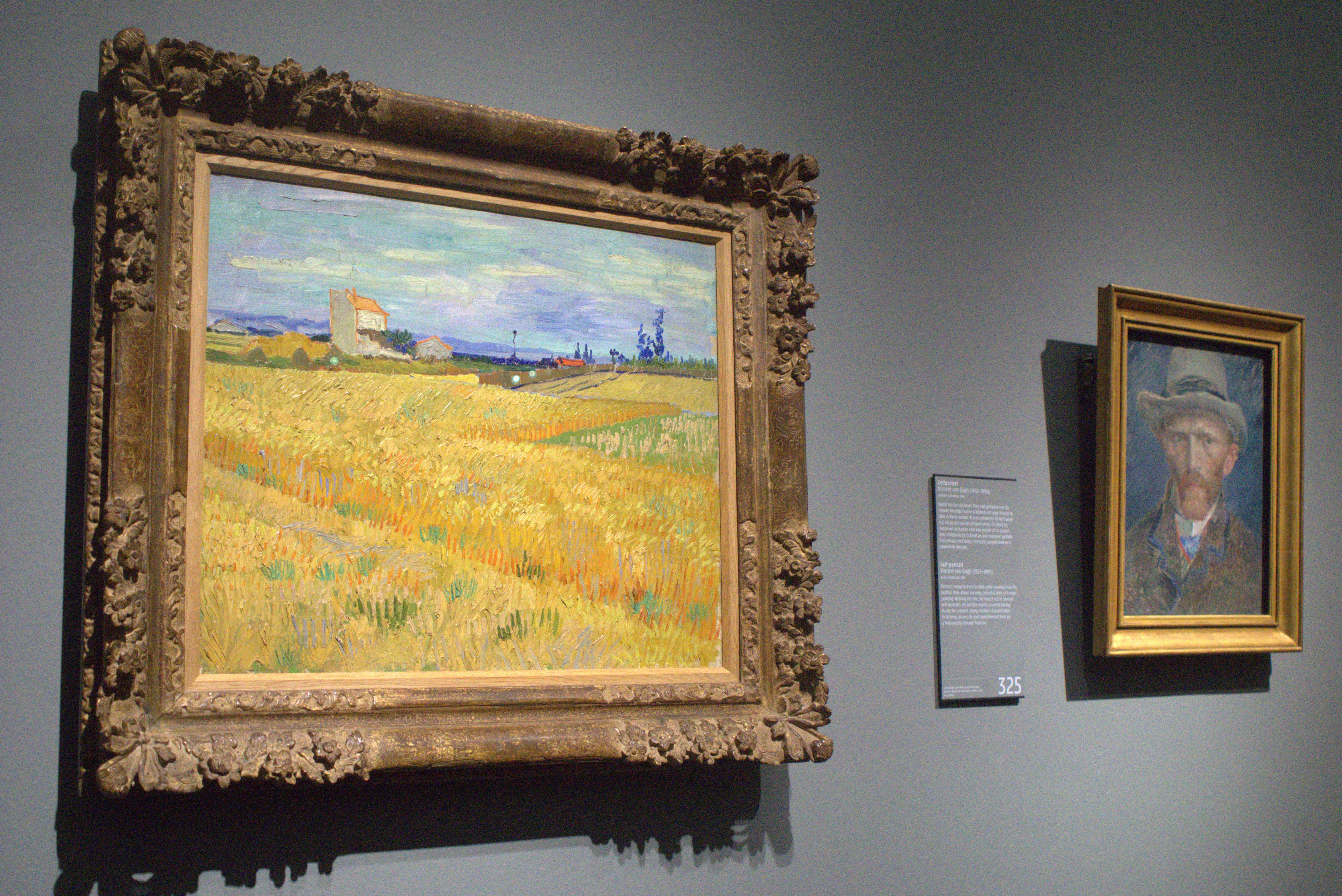
Of the many museums I visited, the Rijksmuseum, the Dutch national museum of art and history, was one of my favorites. Its enormous galleries contain works by artists such as Rembrandt and van Gogh, but I was especially interested in the exhibits discussing Dutch colonialism.
Beginning in the 17th century, the Netherlands became a major maritime trading power, establishing commercial networks and colonies around the world.