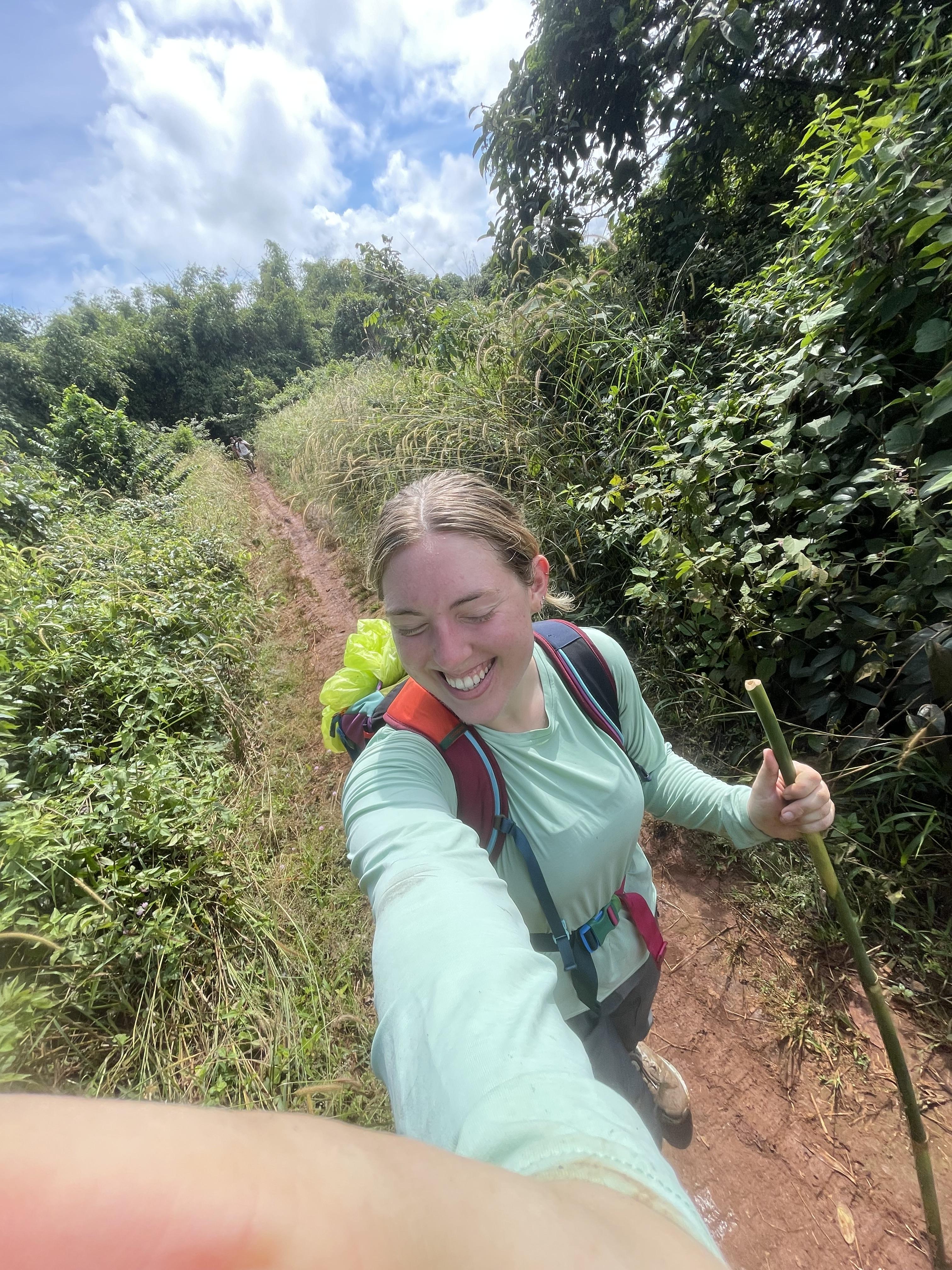
Adjusting to life without a moto was initially frustrating. Walking or biking everywhere felt inefficient, especially when I watched neighbors hop on their motos and disappear down the road in seconds. Errands that took others five minutes could take me half an hour. In the heat, this was exhausting. During the rainy season, it meant arriving soaked, muddy, or both.
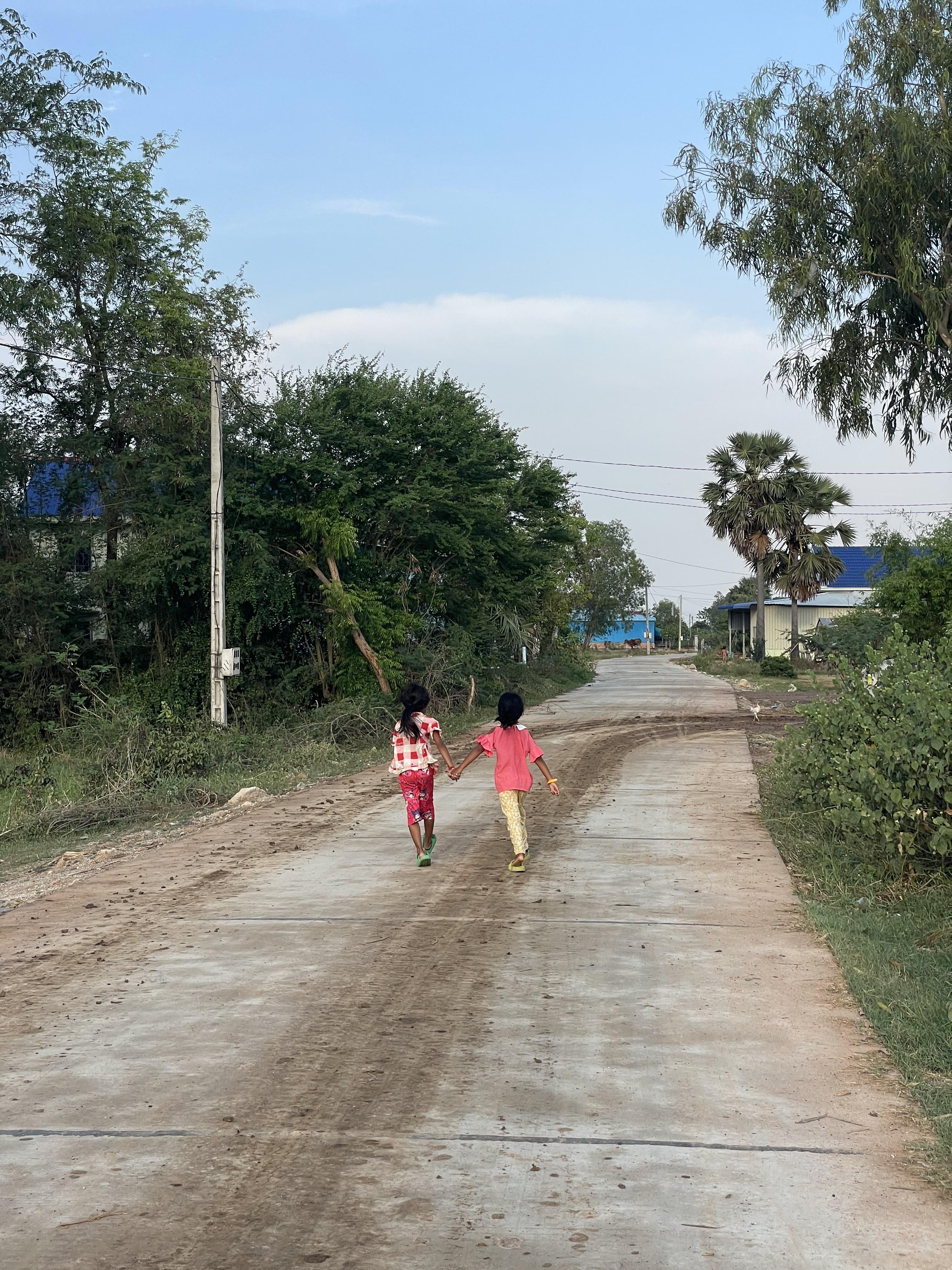
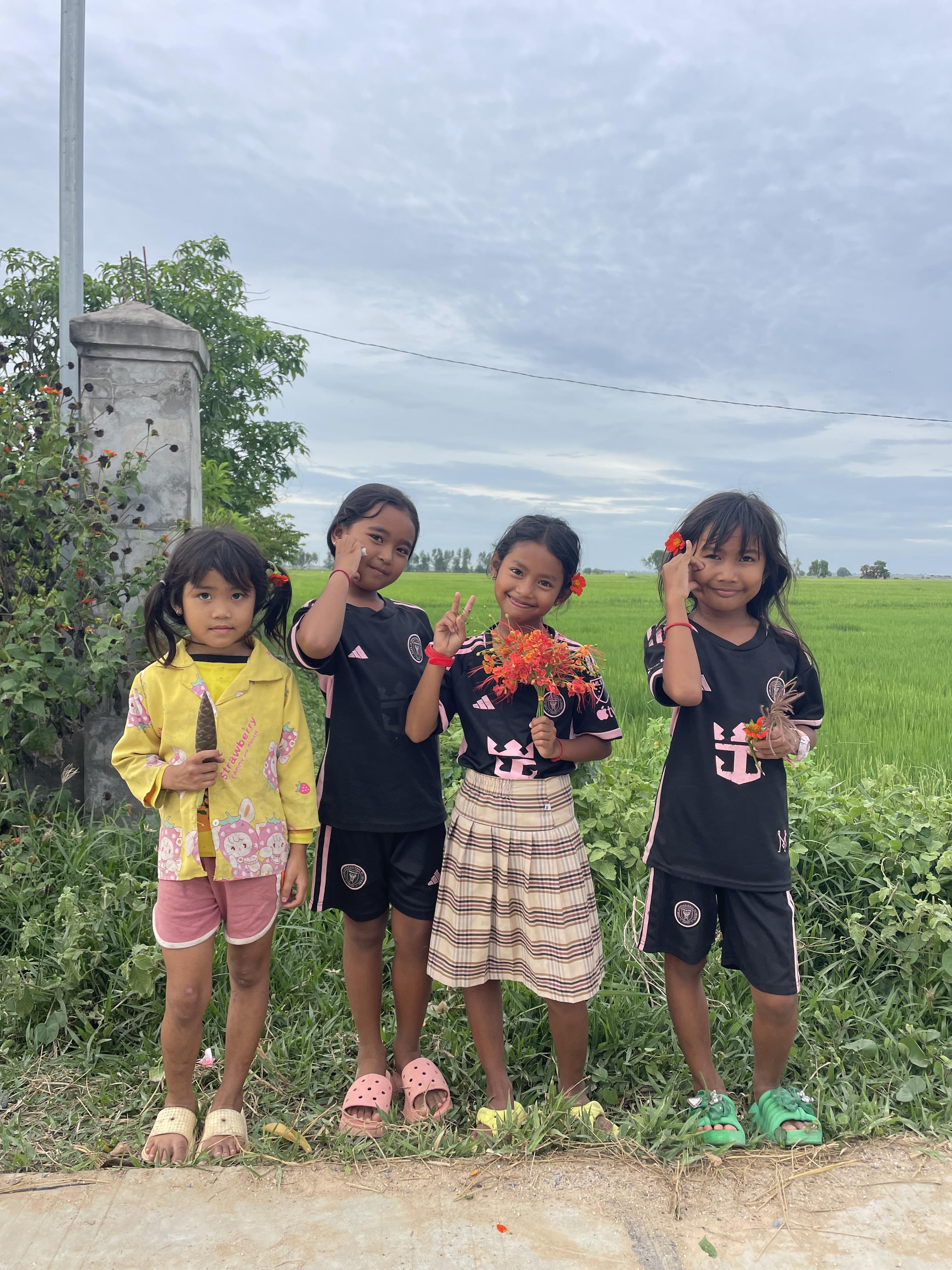
At the same time, moving slowly forced me into a different rhythm. Walking through the village meant greeting neighbors, stopping to chat, and being noticed. Children would call out my name. Elders would ask where I was going. My presence felt less transactional and more relational.
There were moments when I felt vulnerable, especially biking on roads shared with fast-moving motos or trucks, but also moments when I felt deeply connected to my surroundings. I noticed small details: what crops were being planted, who was visiting whose house or how the village changed throughout the day.
While not riding a moto sometimes made me feel limited, it also grounded me. It reminded me that my experience here is not meant to mirror my community exactly, but to help me observe, listen and understand it more closely.
Transportation in Cambodia is closely tied to both the environment and economic reality. Rural roads are often unpaved, dusty in the dry season and muddy or flooded in the rainy season. Motos are well-suited to these conditions because they are lightweight, maneuverable and easier to repair than cars.