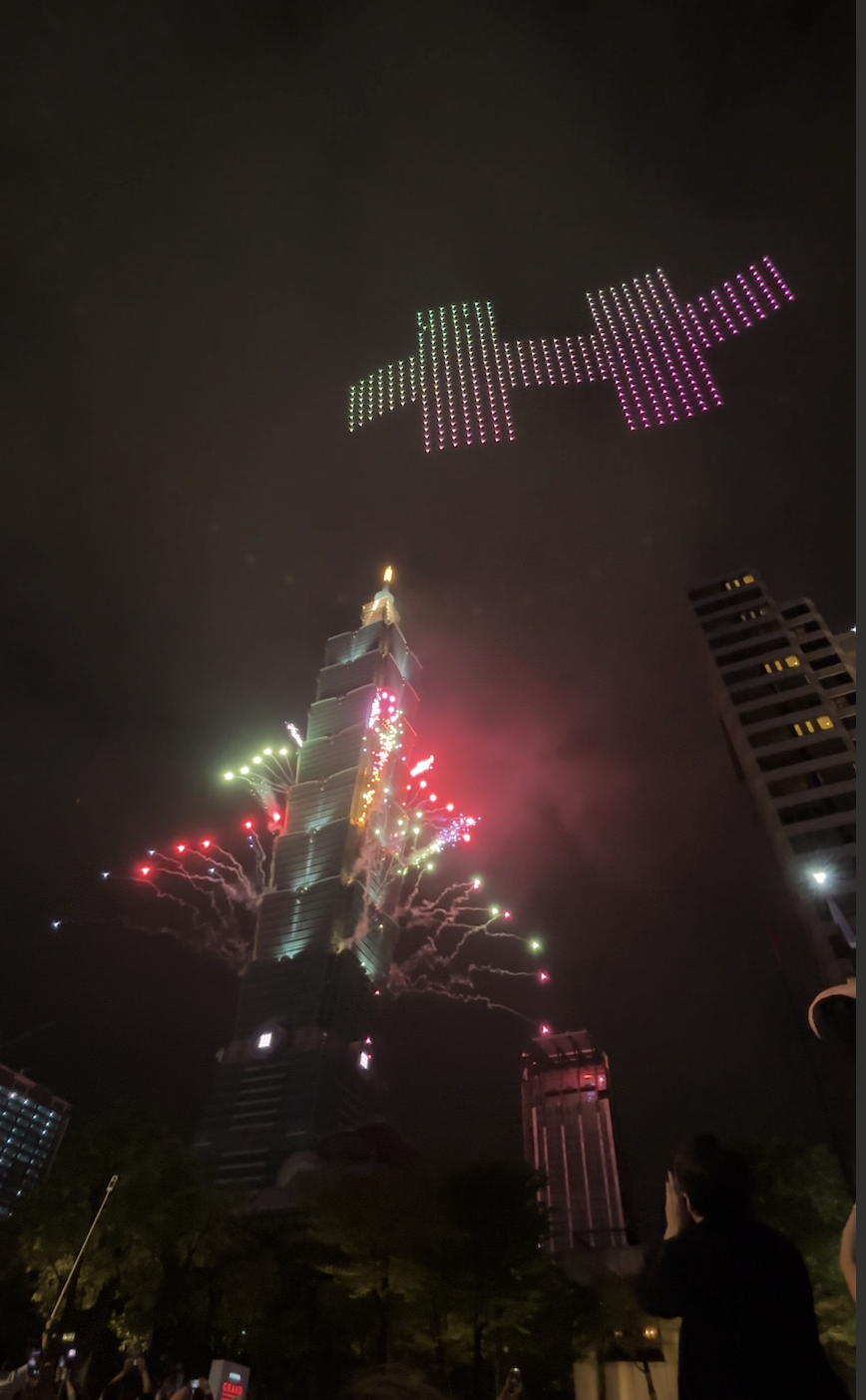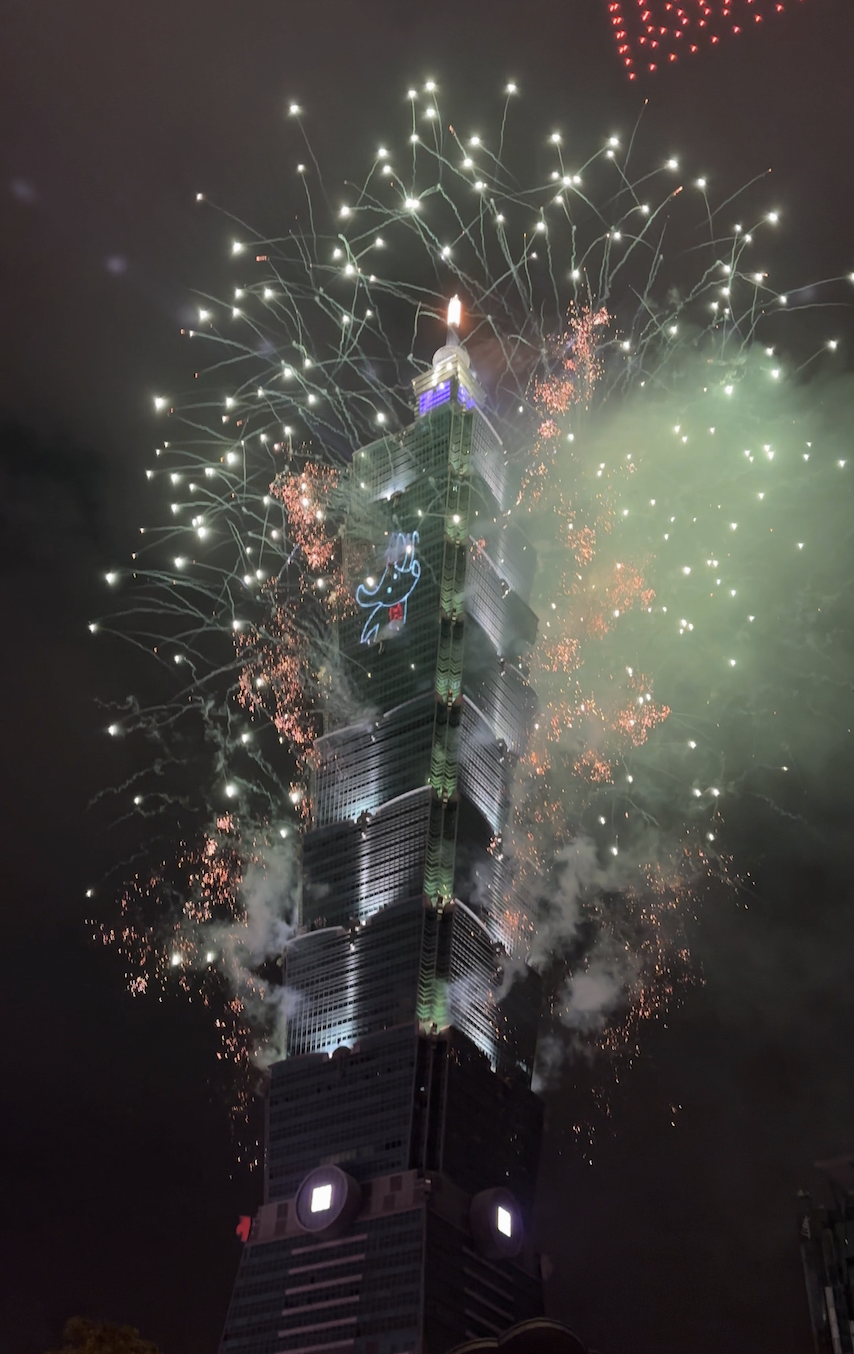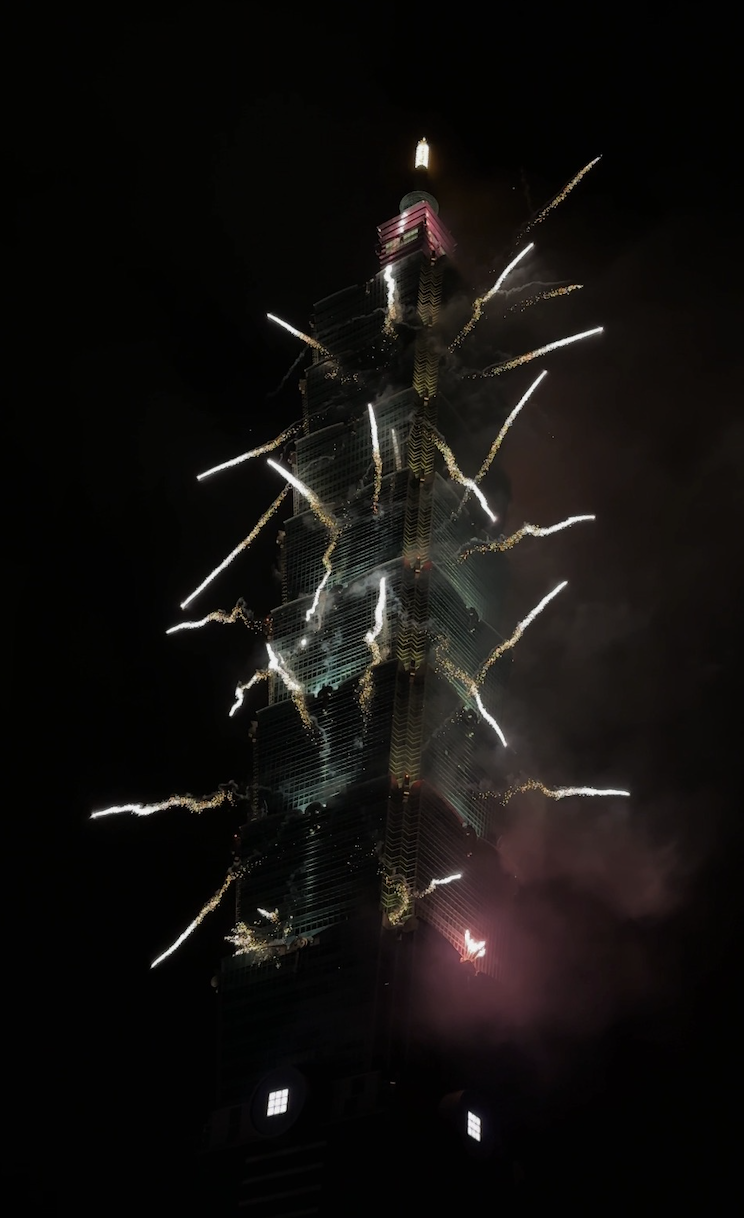
I think one way to understand this celebration is to compare it with the Fourth of July in the United States. In America, July 4 celebrates the adoption of the Declaration of Independence in 1776, when the thirteen colonies declared their independence from British rule. Families celebrate with barbecues, parades, flags and fireworks. Similarly, Taiwan's October 10 celebrations use national symbols, public gatherings and fireworks to bring people together and recognize an important part of their history. Although the two holidays have different historical meanings, they share a similar purpose of reminding people of their country's past and giving communities a reason to celebrate together. Both holidays can also help younger generations learn about the events that shaped where they live.
I find this comparison interesting because it shows how traditions can be similar even when they come from different histories. Growing up in California, I was familiar with the Fourth of July, but learning about Double Ten Day helped me understand how another place celebrates its national history. It can be a way for people to remember the past, celebrate their shared identity and pass important stories on to future generations.
Taiwan's National Day celebrations are connected to the environment because many of the activities, especially fireworks displays, take place outdoors. Taiwan is an island with a mix of large cities, rivers, mountains and coastlines, so there are many different places where people can gather to celebrate. Depending on the year, fireworks may be launched near a river, along the coast, or in an urban area where large crowds can watch.