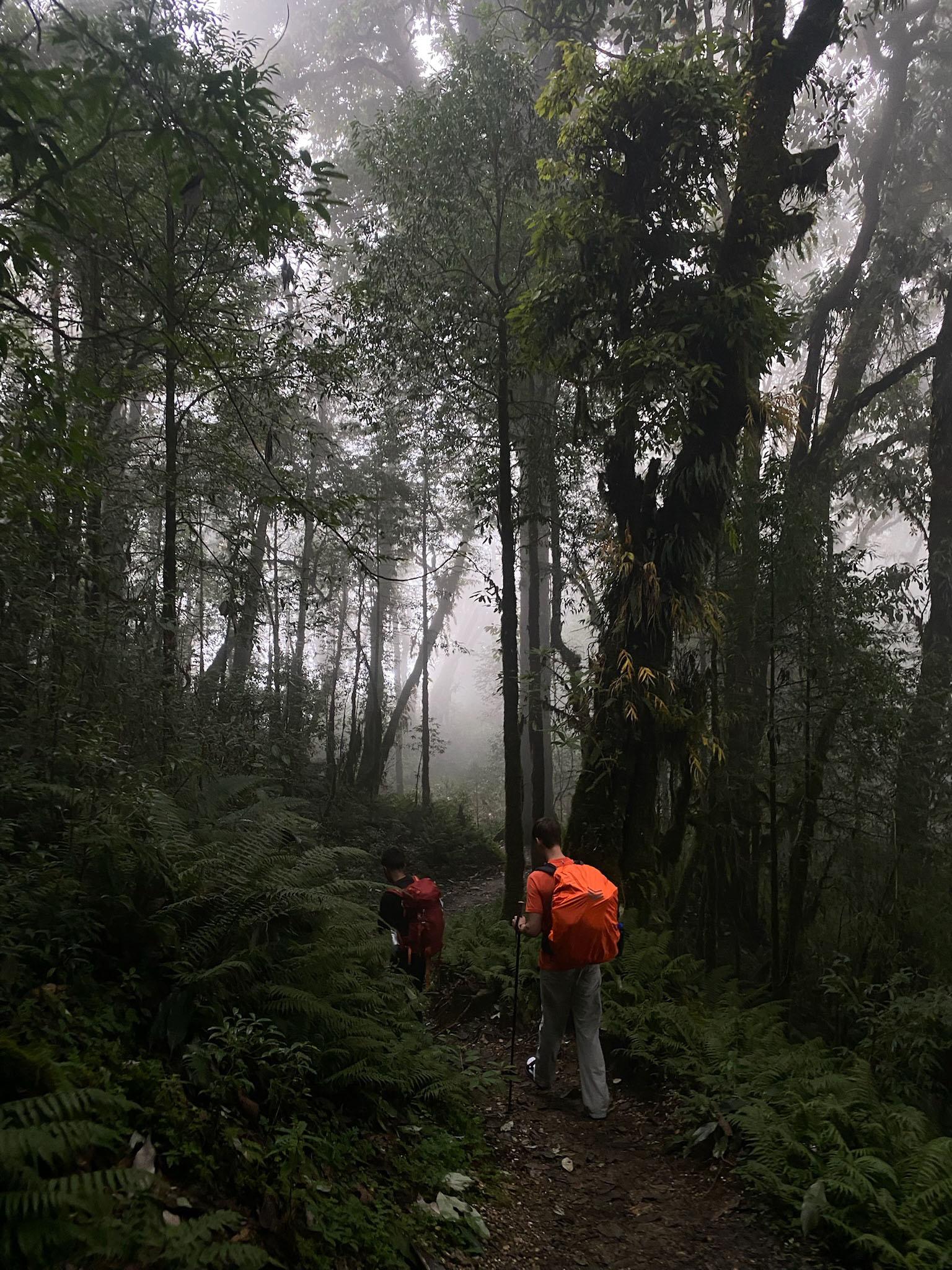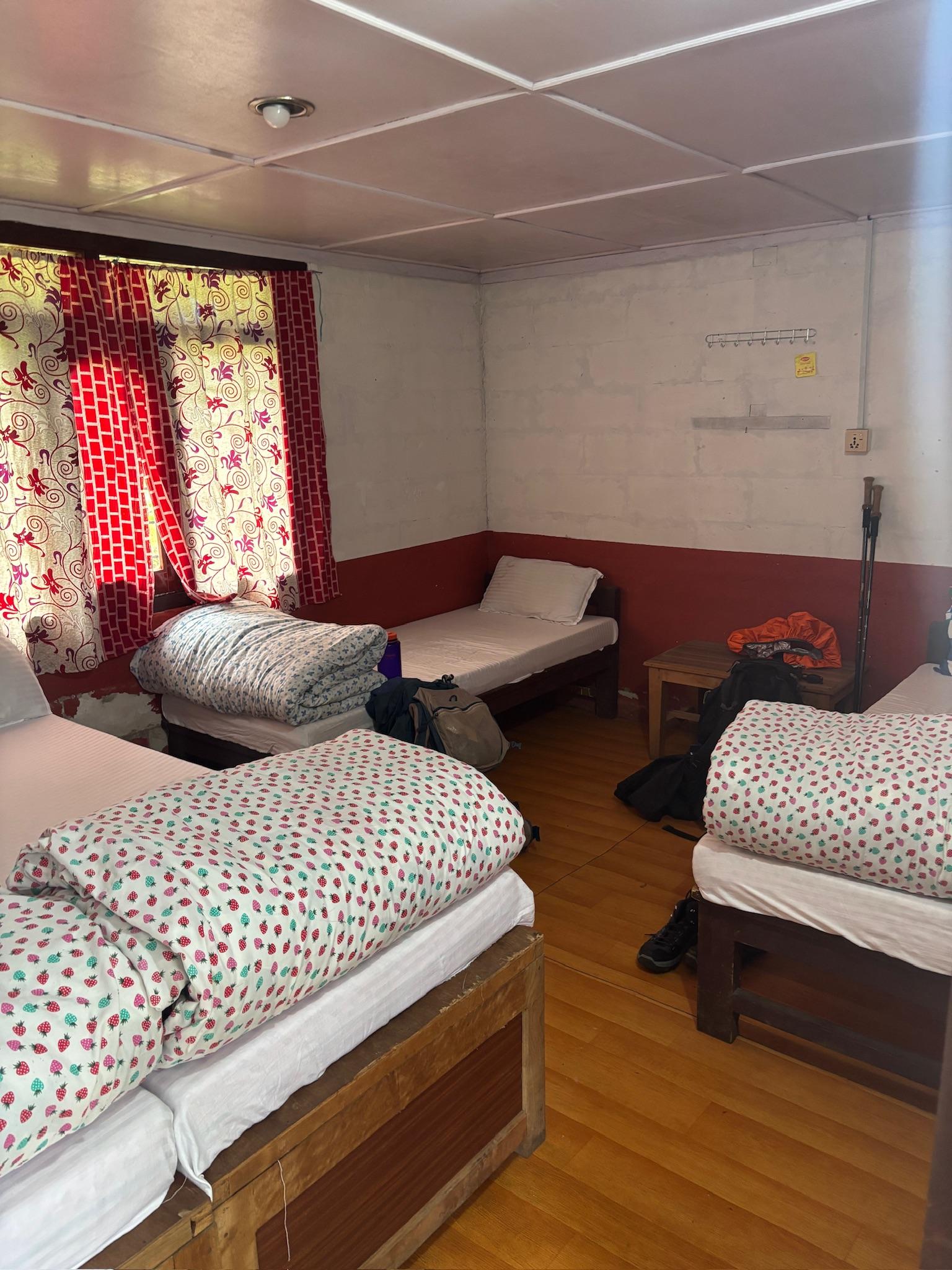
In very remote areas, tourism is an important way for communities to gain economic opportunity. The prevalence of trekking culture in Nepal is clear: in cities, every street has several shops selling some sort of backpacking gear or trekking clothes, while out in the mountains every popular route has a large number of lodges (or "teahouses" as they are more commonly called) at various places along the hike. These teahouses provide food and shelter to tourists, which makes it easy to hike since you do not need to bring your own supplies!
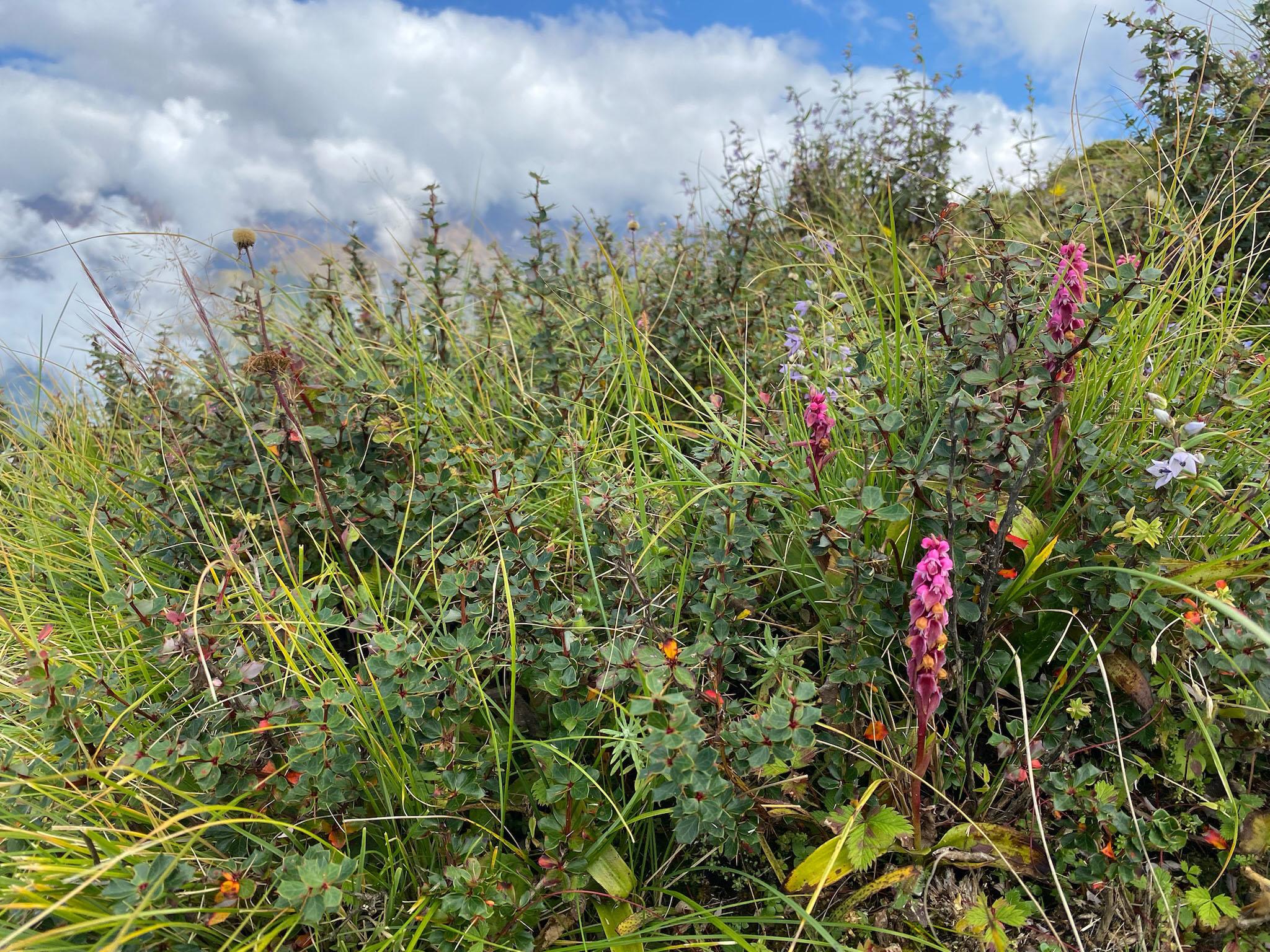
As with anything in the Himalayas, it is impossible for the trekking tradition to be disconnected from the environment – of course, it is completely dependent on it! Communities in the region are deeply connected to their environment in various ways, from choosing crops best suited to terrace agriculture to relying on many of the native plant species (including orchids!) and other natural resources provided in their surroundings.
And of course, the incredible scenery of the Himalayas is what drives tourists into the region, meaning that trekking culture is one in the same and people wanting to get to experience this amazing environment. But more than this, the rugged terrain of the mountains has meant that building a culture around trekking is basically the "enabling infrastructure" that makes these adventures possible. Without teahouses which provide accommodation and food, it would be extremely difficult for trekkers to have everything they need to reach high altitude, remote locations. Without guides to bring trekkers along, it is possible for people to get lost or end up in danger.