Along the way, we passed through lush jungle, montane forest and high grasslands, all topped off with stunning views of Machapuchare and Annapurna, the 10th highest mountain in the world.
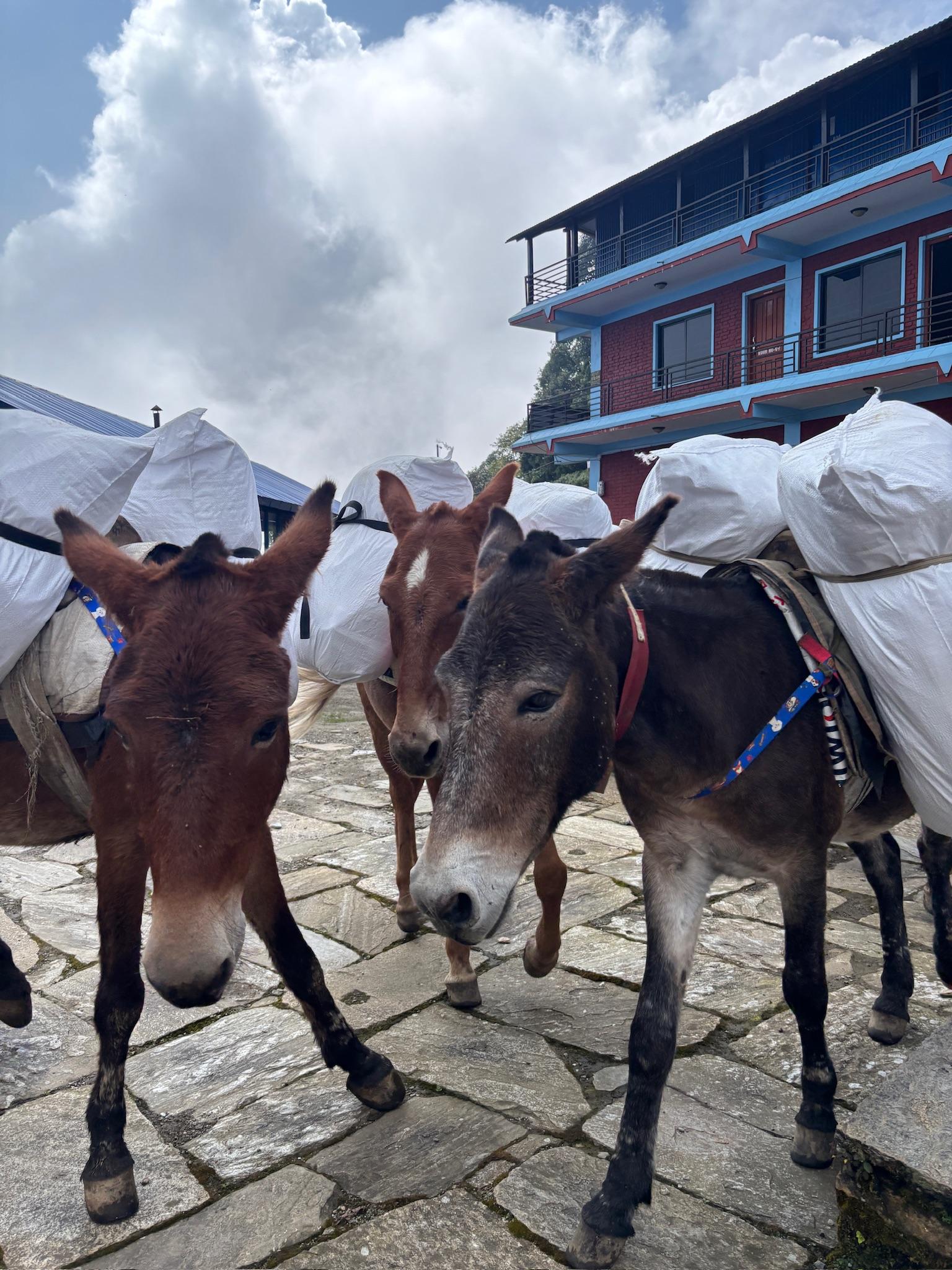
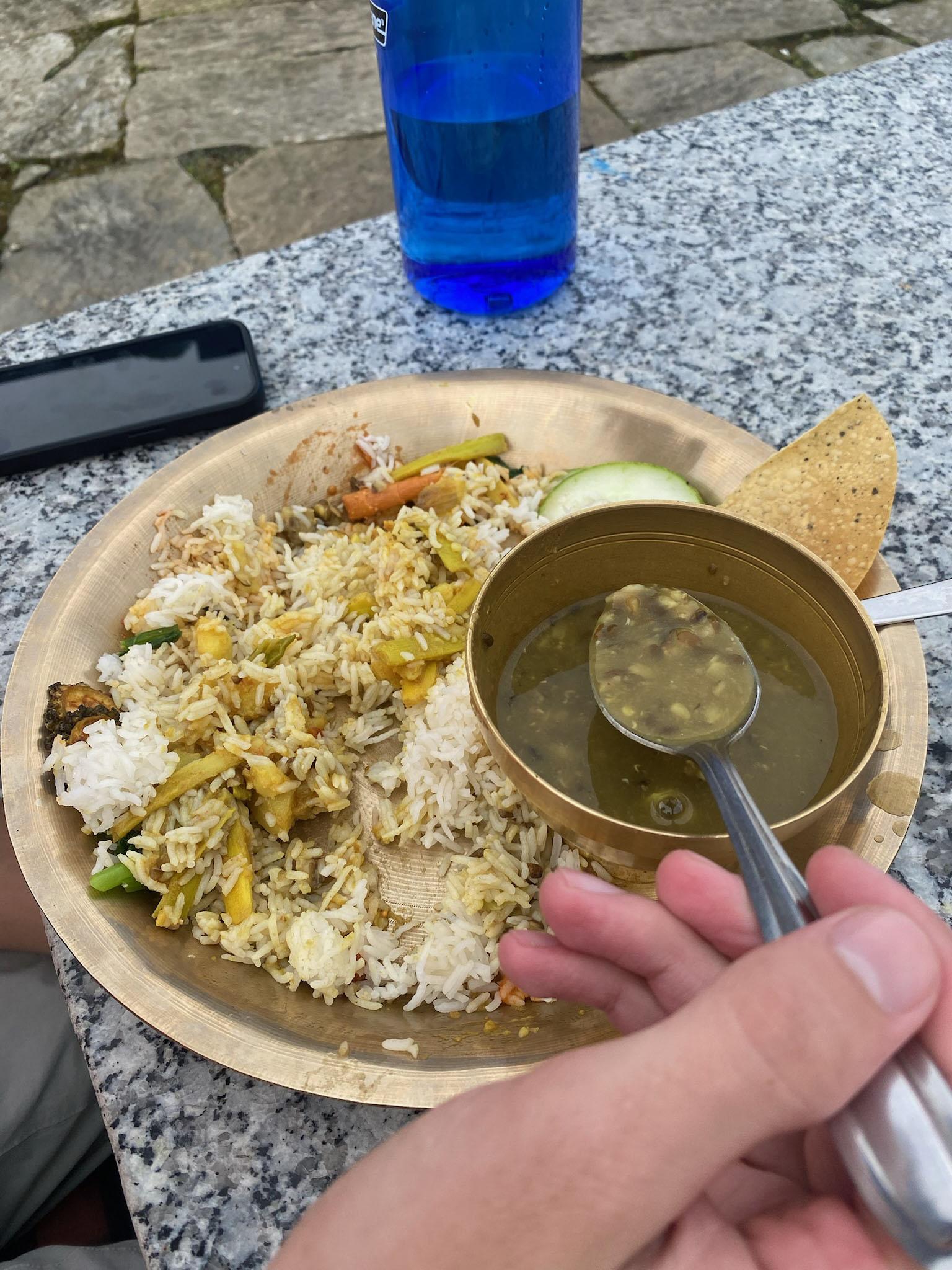
We also got to experience the trekking culture of Nepal. Throughout our trip, we stayed in teahouses stationed along the route, enjoying our meals of dal bhat and staying warm in the freezing temperatures at higher elevations. Our guide, Tul, helped us complete the trek and taught us more about the mountain culture(s) of Nepal, explaining how different regions compare with one another and giving insights based on his experiences both guiding and portaging. Throughout the trek, we passed many donkey teams bringing things to and from the highlands and met many other trekkers who had come to Nepal exclusively to hike in the Himalayas. Despite being in such a remote region, the culture around trekking meant that we never had any issue walking among some of the tallest mountains in the world!
Communities have lived in the Himalayas for thousands of thousands of years, and in such a remote environment it became critical for them to develop trade routes that traversed the difficult terrain. In fact, places like Boudha Stupa in Kathmandu are where these communities are in large part because of popular trade routes between the high Himalayas (Tibet) and lowland areas (like India). As such, developing the necessary infrastructure and travel mechanisms for getting around became a way of life for people, here.
As Nepal has become increasingly popular among tourists, local mountain expertise has evolved to accommodate trekkers as they move through the landscape.