Inbreeding, Population Size, and Genetic Drift
Human populations evolve more slowly than microbes, and not all genetic changes happen because of selection. In small or isolated groups, genetic drift, or random changes in allele frequency, can have a major effect. Drift can reduce genetic diversity even when no particular trait offers an advantage.
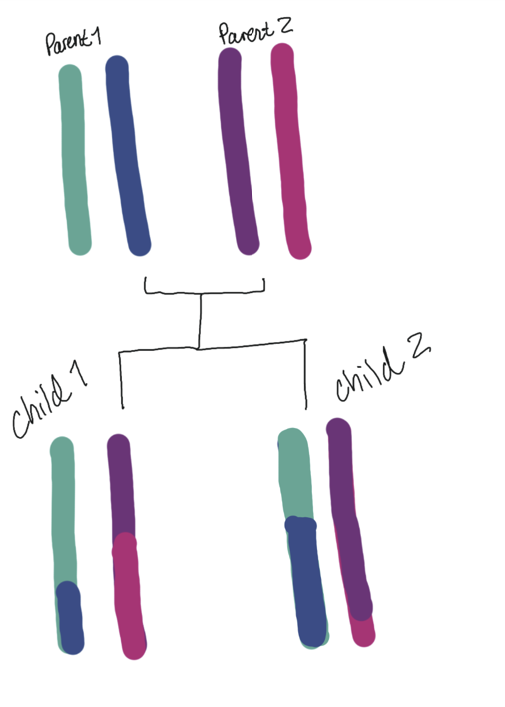
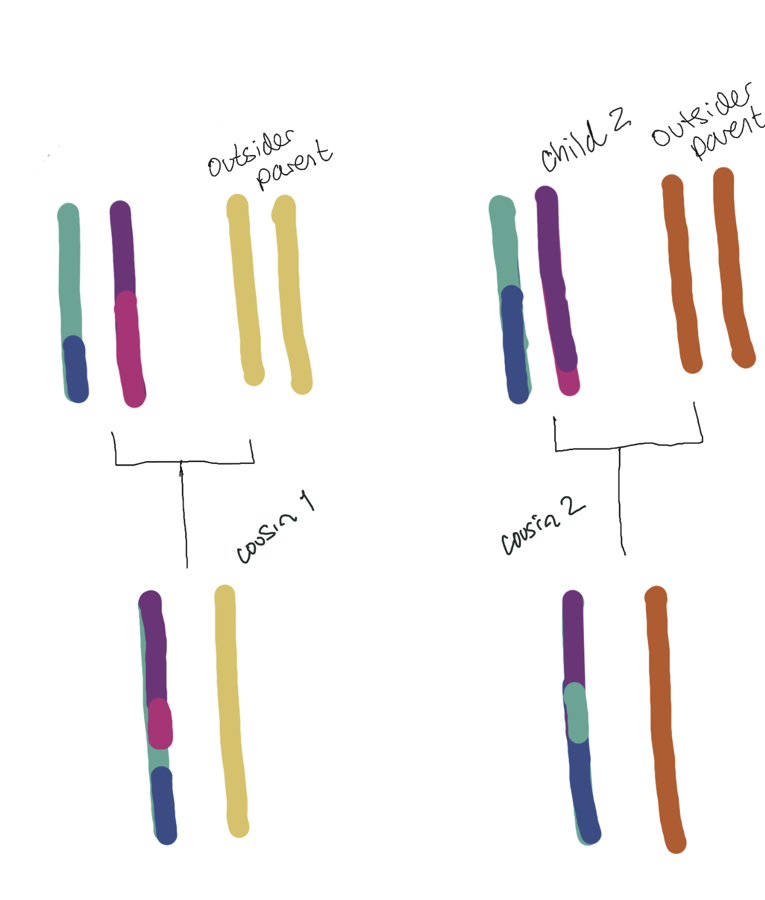
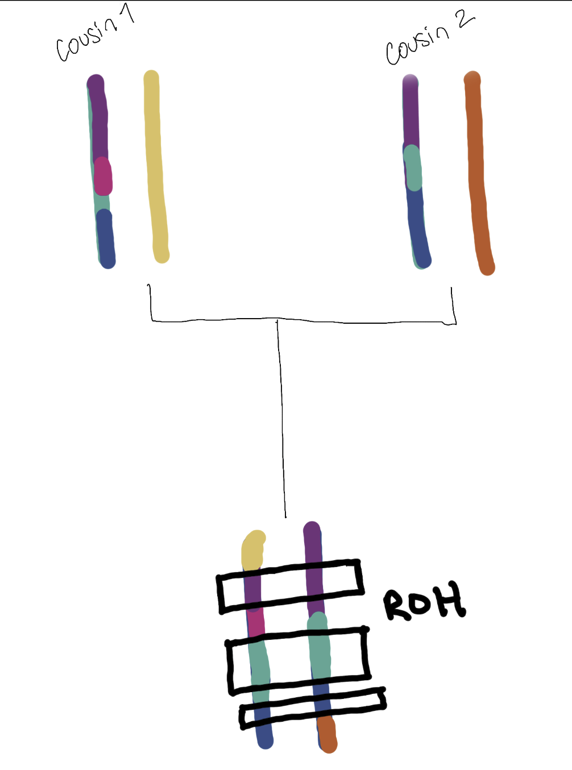
To study this in ancient communities, we often look at something called Runs of Homozygosity, or ROH. You can imagine your genome as two long instruction manuals, one from each parent. Normally, those two copies differ at many positions, which creates variation. But if long stretches are identical on both copies, that tells us the parents shared a significant amount of ancestry.
A few very long ROH usually point to recent inbreeding, for example the offspring of close relatives. Many shorter ROH scattered across the genome suggest that the population stayed small for many generations. Large ancient DNA datasets show that while close-kin unions did occur, many past communities show patterns consistent with long-term small population size rather than frequent inbreeding. This helps us understand how community structure, settlement patterns, and geography shaped genetic diversity in the past.
Ancient DNA also helps us identify founder effects and population bottlenecks, two concepts you may already recognize from AP Biology.