Together, these different types of DNA turn the ancient world into a kind of natural experiment in evolution, where we can see how life responded to new environments, diets and diseases.
How Pathogens Evolve
Pathogens, such as bacteria, viruses and parasites, are some of the fastest evolving organisms on Earth. Their generation times are short, so even a single infection can produce a huge number of slightly different copies. Each mutation gives the pathogen a new test case. If a mutation helps it infect a host more efficiently, avoid the immune system, or spread more easily, that version will become more common. That is natural selection happening on the scale of days or months instead of centuries.
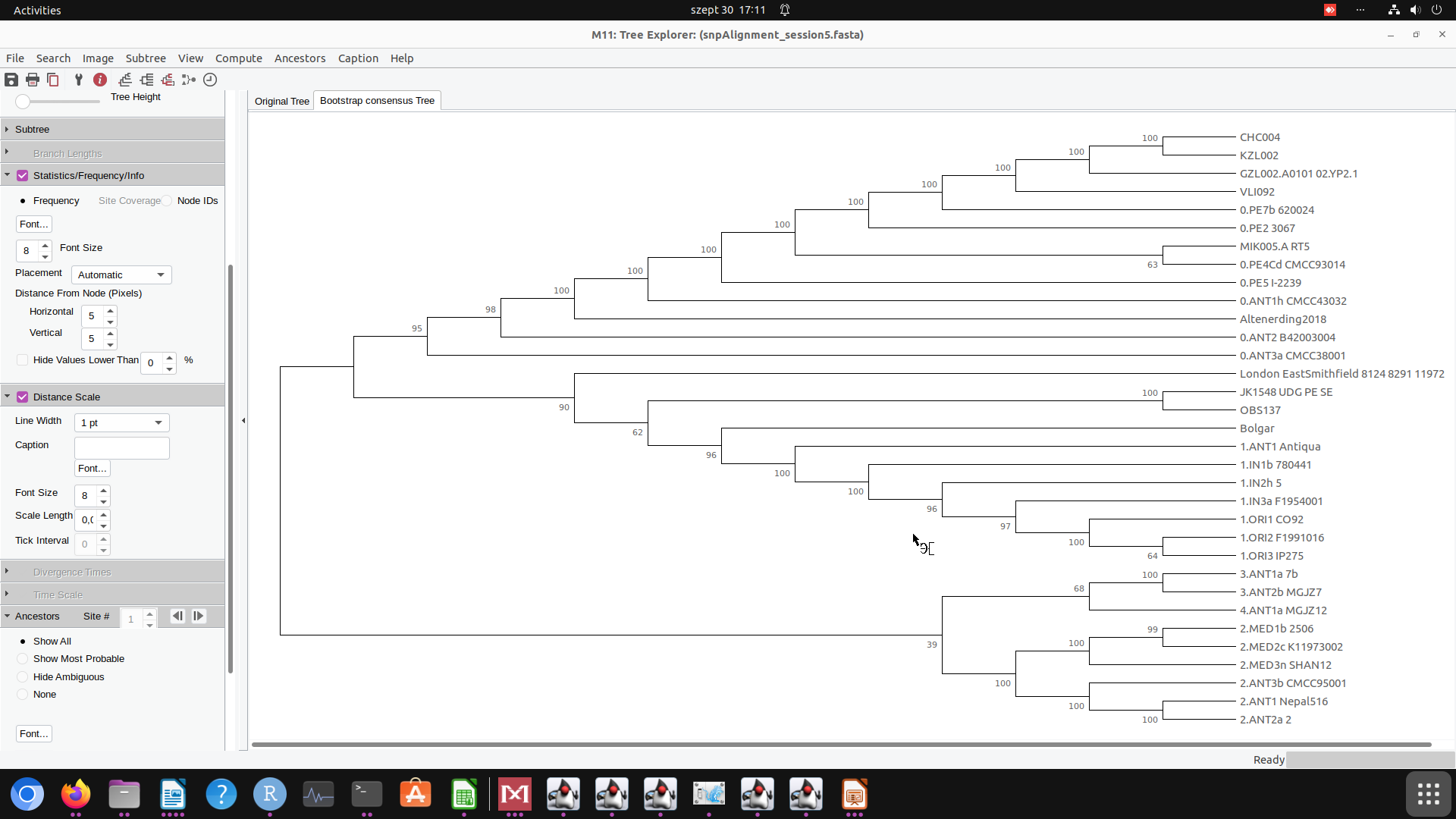
Ancient DNA allows us to watch these changes across long stretches of time. One of the clearest examples comes from the bacterium that caused plague during the Black Death. By sequencing genomes from people who lived before, during, and after the medieval outbreaks, researchers have shown that plague strains gained and lost genes that affected how the disease spread and how severe it was. These genetic changes help explain why different outbreaks behaved differently in history.
Similar studies of tuberculosis have compared ancient bacterial genomes to modern strains, revealing how certain lineages adapted to human hosts and changed their patterns of transmission. When you learn about mutation and selection acting on bacteria, this is the type of real-world evolution that ancient DNA can uncover.