However, from 1979-2004, the festival was unable to be held due to security concerns in the ongoing conflict between the Moroccan state and the Polisario Front. In that time, many members of tribes who traditionally led nomadic lifestyles have begun to move to cities searching for work and alternatives to the hard desert lifestyle caught in this conflict. Today, the moussem now serves a dual purpose of keeping these traditions alive even when the tribes find themselves in a vastly different world than before. For this reason, the moussem gained UNESCO recognition some years ago.
Nonetheless, the moussem today has remained successful because it is a chance to exchange and appreciate Hassaniya culture, as well as a business opportunity between tribes.
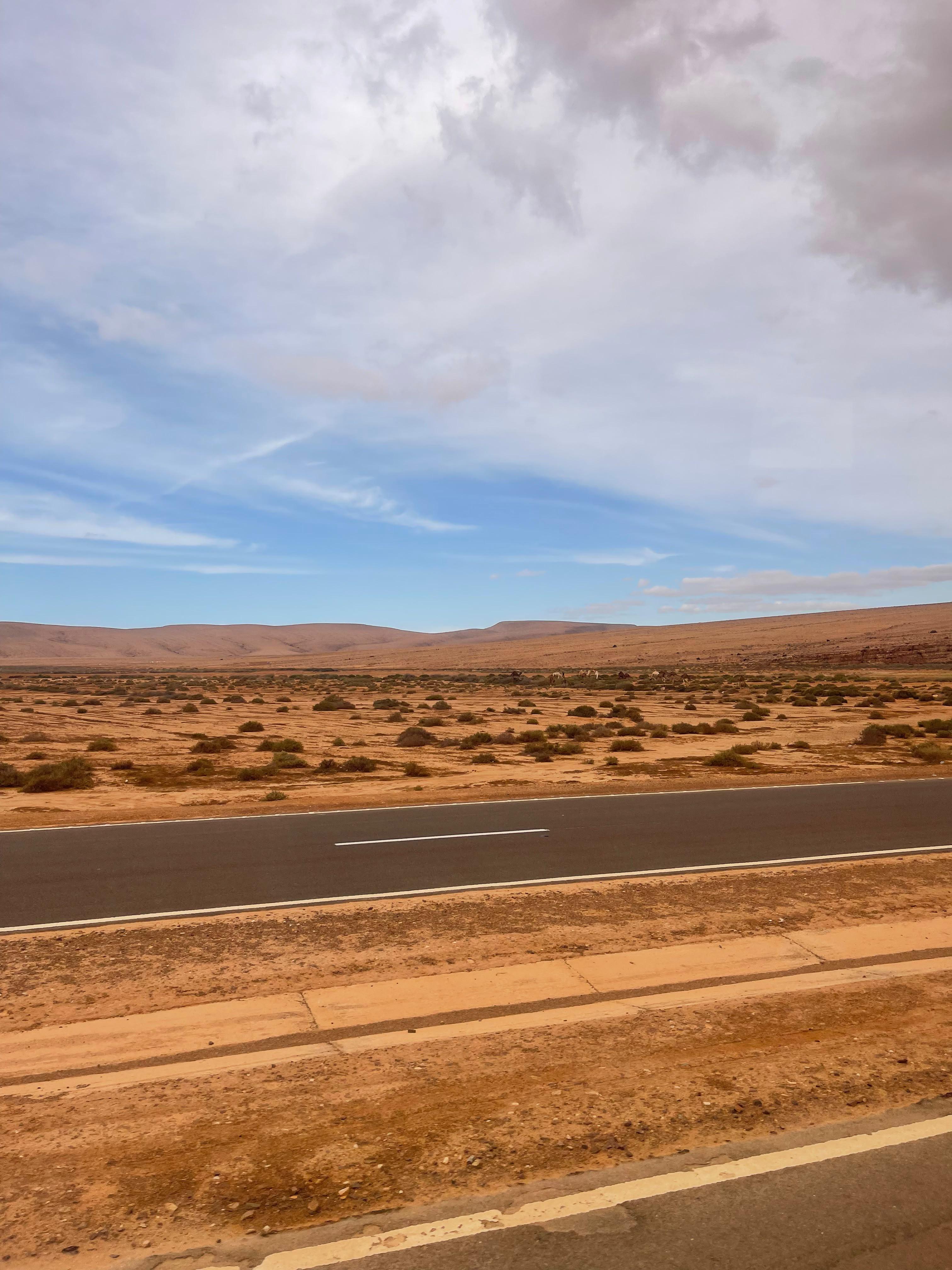
It would be impossible to separate the Tan Tan Moussem from the surrounding desert. Saharan tribes inhabit some of the most remote parts of Morocco, as well as surrounding countries, with the moussem historically allowing tribes to come together and share an important cultural moment and centralized market together. The events themselves are even influenced by the landscape, where camels transform into racing machines and a tent city pops up overnight.