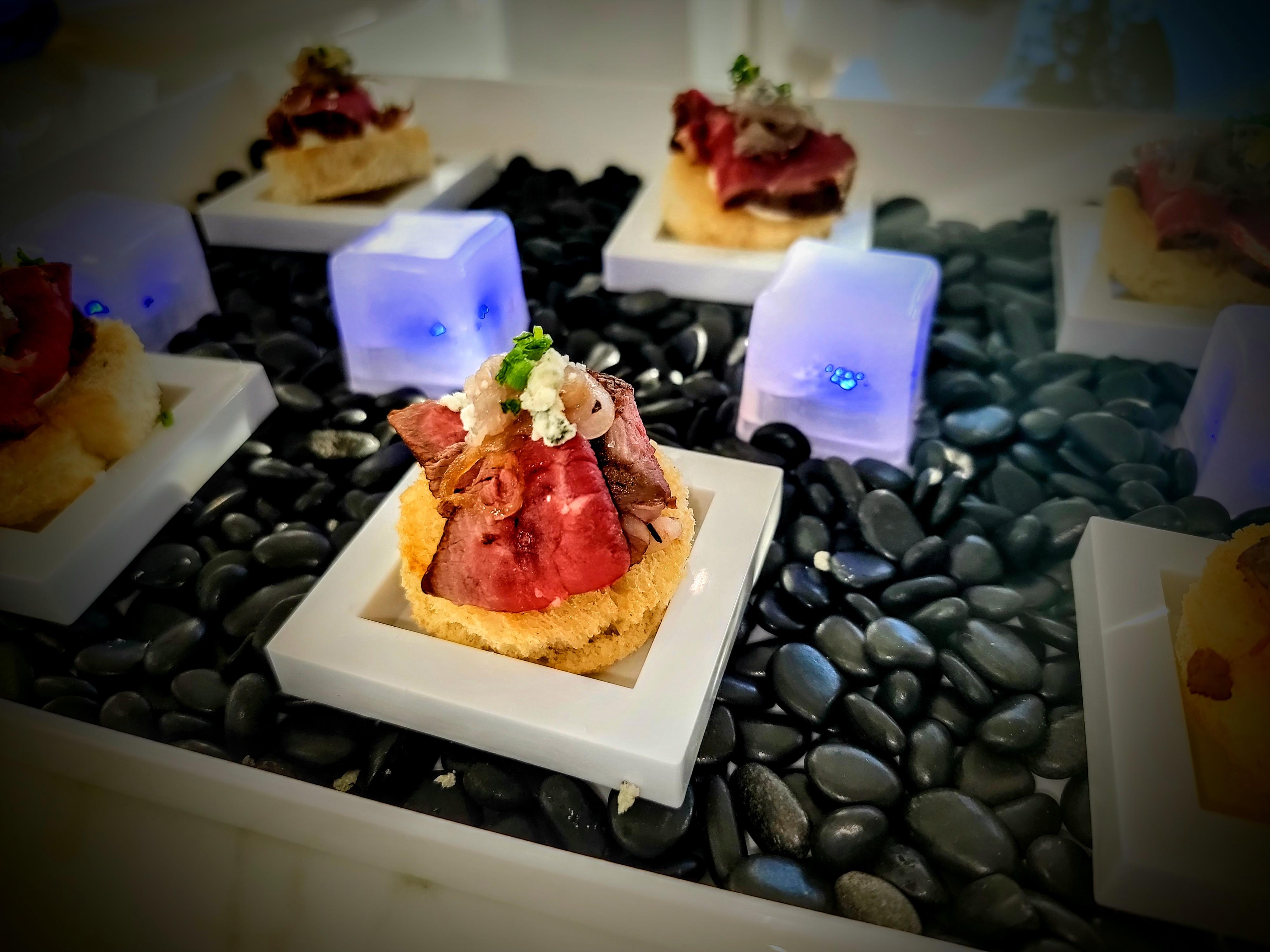
Sometimes you only need a tiny pinch, and other times you want it to be the main attraction.
At River's, I noticed that difference throughout the meal. Some dishes had just a hint of smokiness, while others boldly announced, "Hey! I'm smoked!"
And here's something interesting: you don't always need to smoke the main ingredient. Chefs can smoke oils, sauces, vegetables and even ingredients used in desserts. Remember that smoked olive oil from our first course? That's a great example of how a chef can add smoky flavor without turning the entire dish into barbecue.
Fire: The Kitchen's Original Transformer
Now, let's talk about fire!
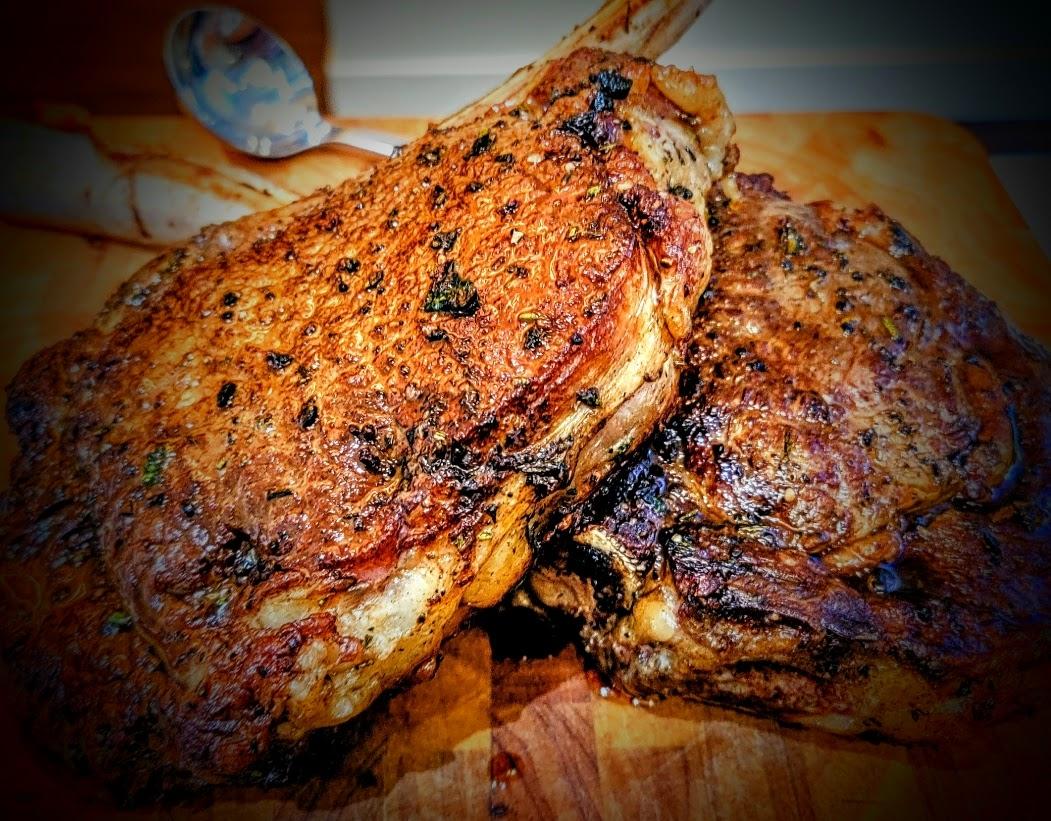
Fire doesn't just make food hot. It changes its appearance, texture, aroma and flavor. When food is exposed to high heat, chemical reactions can create hundreds of new flavor compounds. One important process is called the Maillard reaction. That's what helps create the delicious browned crust on a steak or the golden surface of toasted bread.
Ever notice how a grilled steak tastes different from a boiled piece of beef? Part of that difference comes from the chemistry happening on the surface of the food.
But let me tell you something I've learned after 20 years in professional kitchens: there's a difference between food being cooked and the chef being COOKED!
Picture this: the grill is blazing, orders are piling up and you've got five different dishes that all need your attention at the same time. One wrong move and dinner could be ruined! When the food is cooked perfectly, everybody's happy.