It might look like pottery in Dedza, woven baskets, or carved wooden sculptures that are both practical and beautiful. The biggest shift for me has been internal. Travel has forced me to reconsider the American “grind” mindset I grew up with. Not every system works at the same speed as the United States and things can take longer. And yet, the work still gets done. That has changed how I approach setbacks in research and in life. Slower does not mean failure but soometimes it means sustainability.
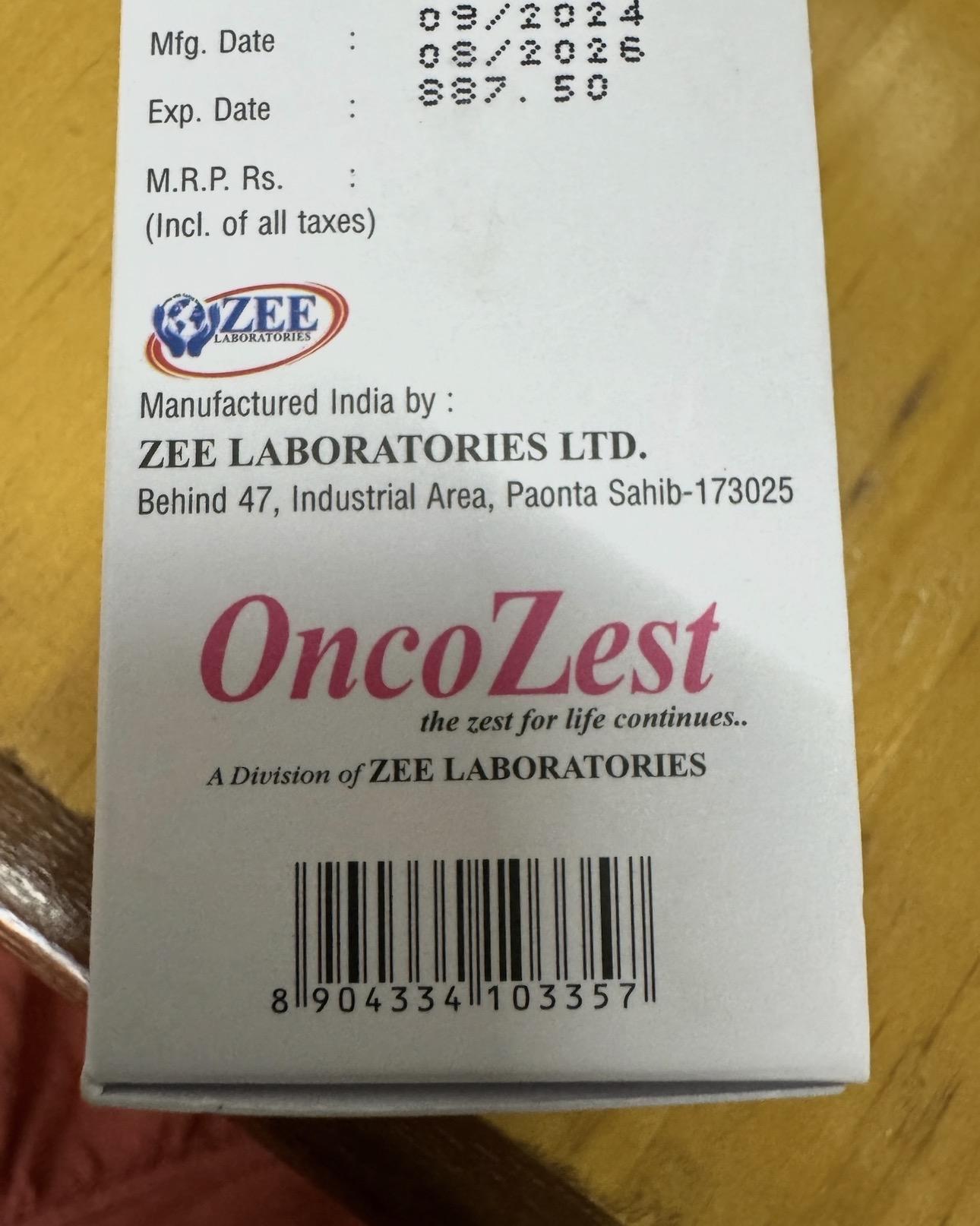
Work: Responsibility Beyond the Classroom. Working abroad has shifted my understanding of what responsibility looks like. In school, even at advanced levels, there is structure. There are deadlines, mentors nearby, and systems that are designed to support you. International work removes some of that safety. You are still supported, but you are operating in a real system with real constraints and real consequences. In Malawi, my work focuses on platelet use in pediatric cancer care. Oncologists here describe platelet availability as one of the biggest challenges in treating children with cancer. That reality changes how research feels as I am not simply contributing to "academic literature." It is about improving how a limited resource is used so that more children can safely receive treatment. Education around appropriate platelet use and strengthening systems for availability can lead to tangible benefits and the connection between research and patient care has been one of the most meaningful parts of my time here. I have also learned quickly that expertise is contextual. Many medications and chemotherapies that are considered standard in the United States are not consistently available in Malawi.