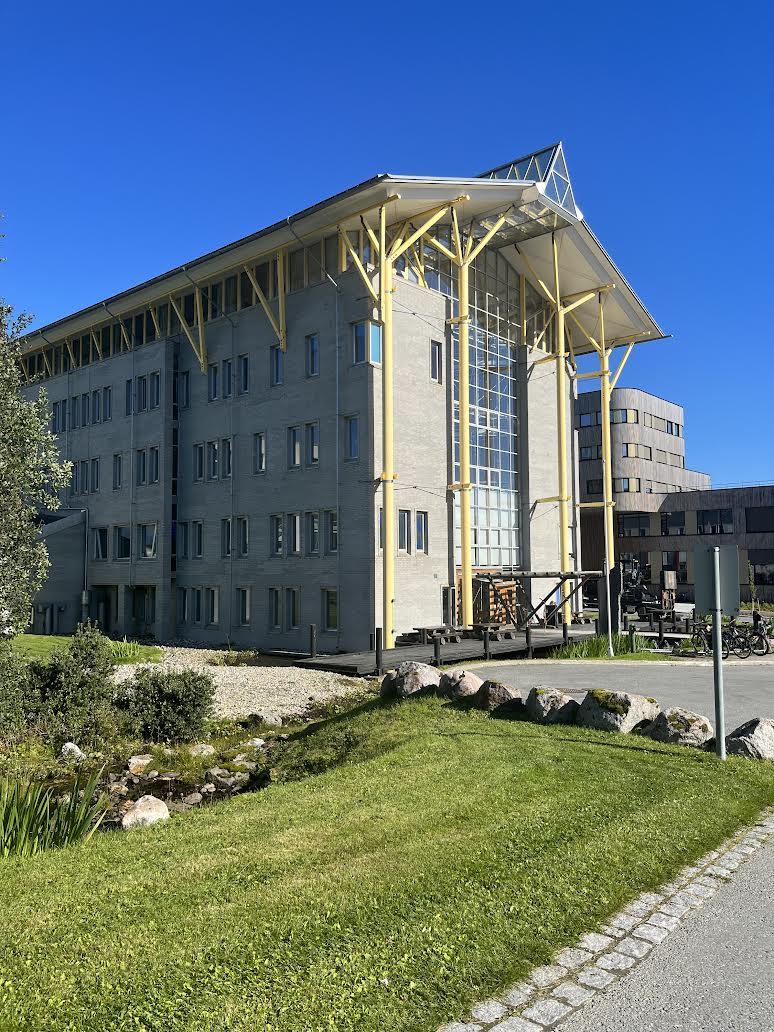
At the University of Trømso (The Arctic University of Norway), I study the Greenland shark and its genetics in many capacities. The Greenland shark is a unique shark species that lives deep on the ocean floor. It is among one of the largest shark species in the world. Today I am working with a sample from a shark that was nearly 15 feet long (455 cm, if we were using European measurements)! Like every animal, it is a critical piece to the Arctic food chain as both an Apex predator and scavenging species. Another fantastic fact about the Greenland shark is its incredible lifespan. Greenland sharks can become very old. How old, may you ask? A recent scientific paper has detailed that some Greenland sharks in the ocean may be older than the United States of America (July 4th, 1776 till now = 246 years). It blows my mind each time I write that!
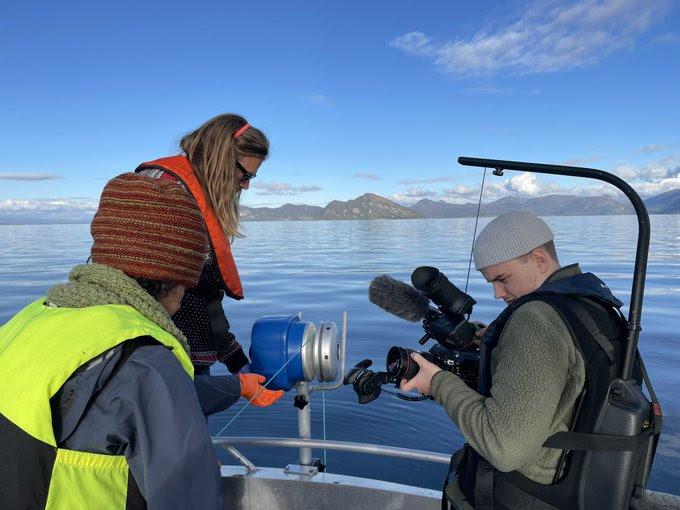
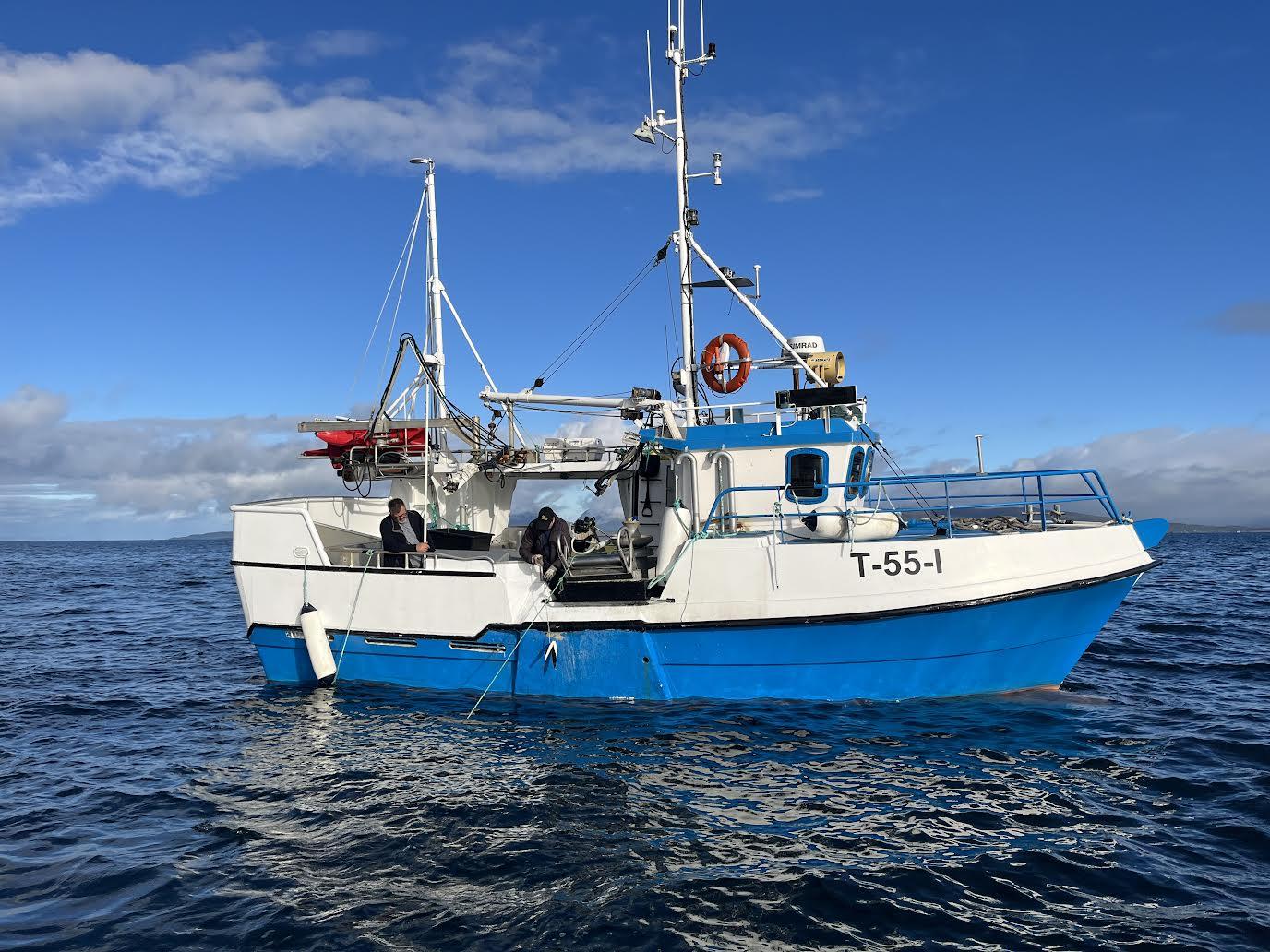
I have two ongoing projects focused on the shark's DNA. I believe in using the most sophisticated tools possible to gain a more profound understanding of the biodiversity on this planet. My first project is to use environmental DNA (eDNA) collected from ocean water to partially genotype the sharks swimming deep under the fjord we study, Vågsfjorden. When sharks swim in the water doing shark things, they naturally shed mitochondrial DNA (mtDNA) in the surrounding water. If I am able to capture that mtDNA/eDNA from the water, I can tell you, without harming a shark, that there was a Greenland shark there. Incredible!