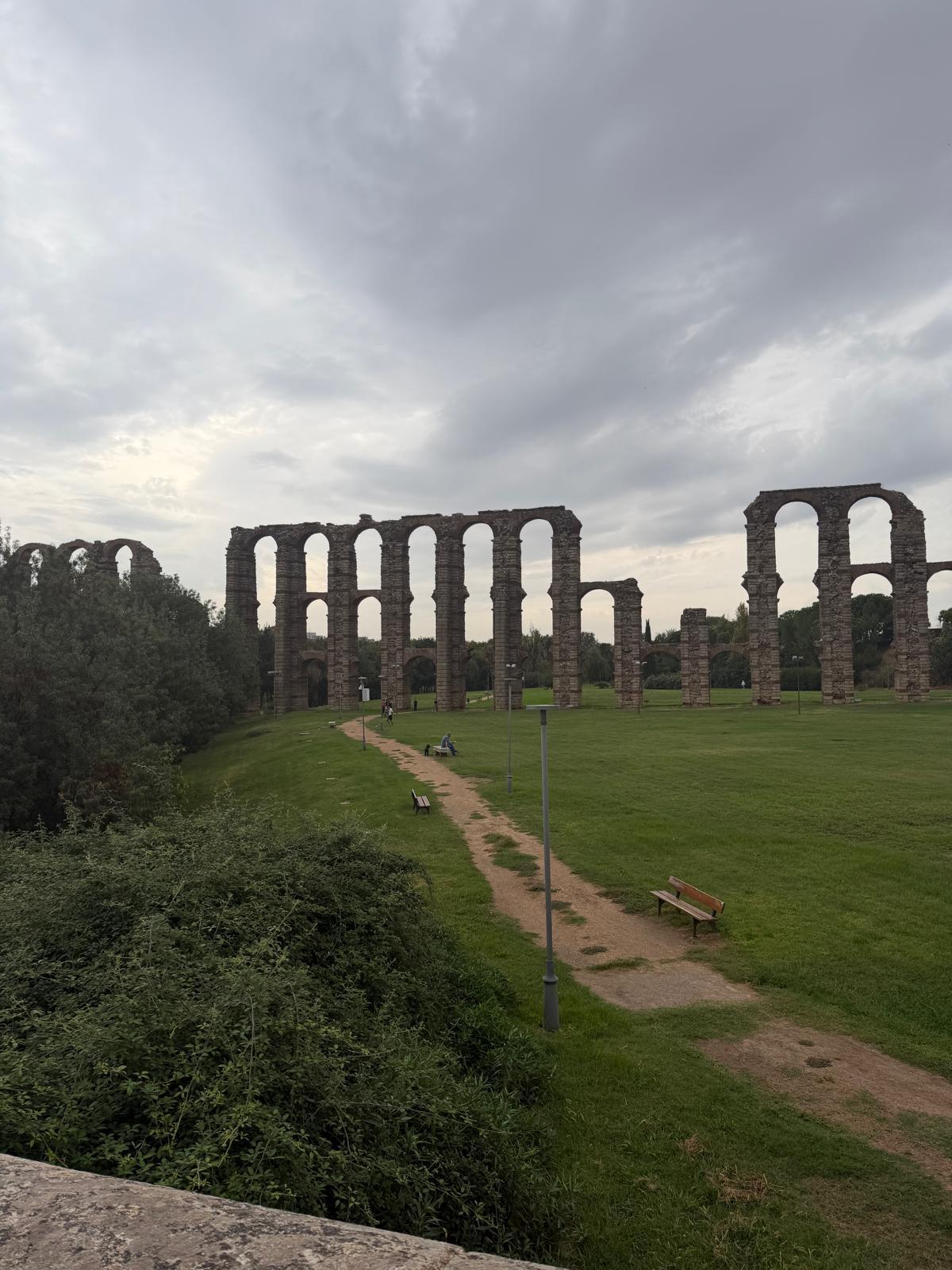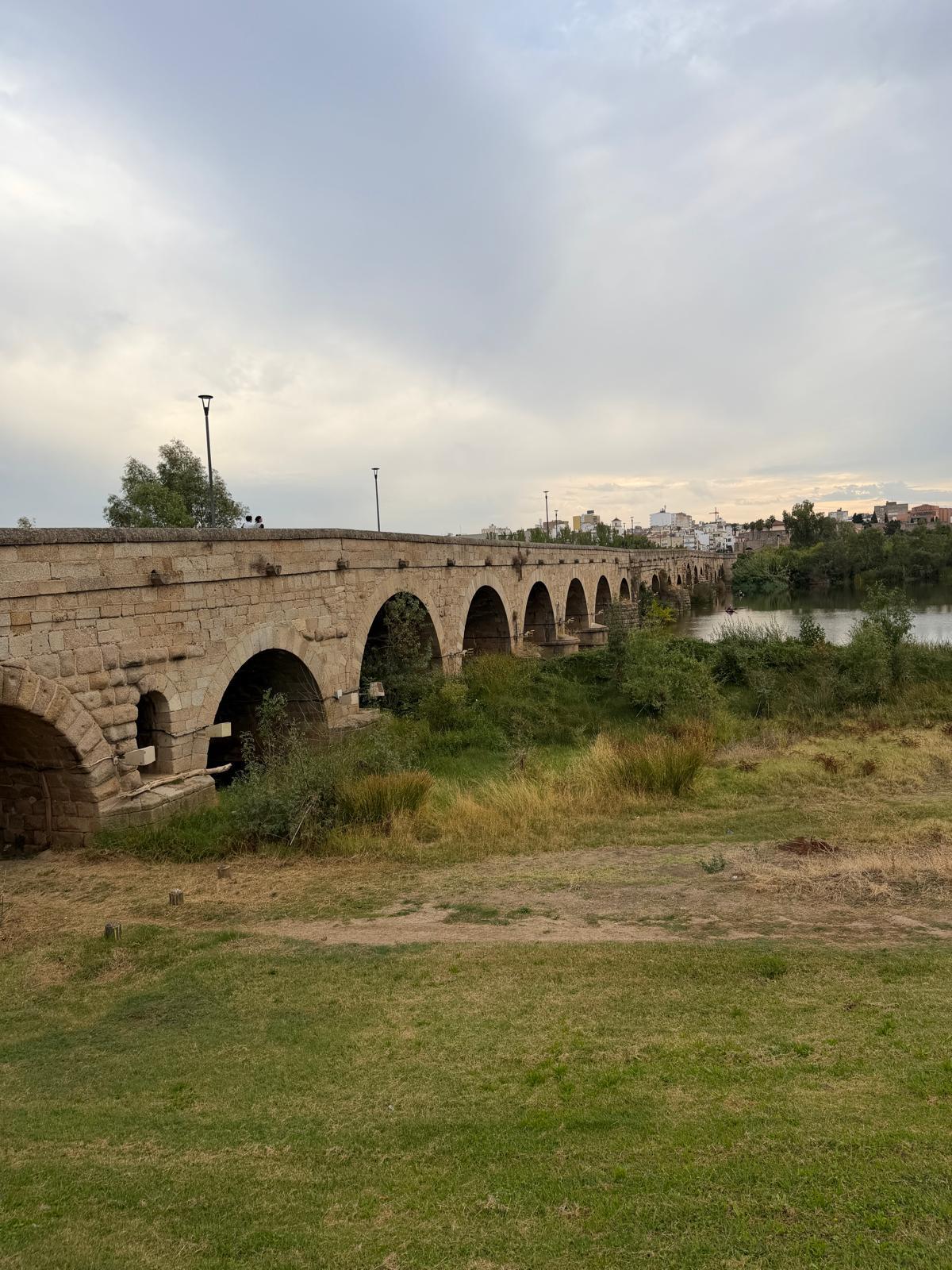
Imagine riding your bicycle along a road that Roman soldiers marched nearly 2,000 years ago. The landscape is filled with mountains, ancient bridges, and towns that existed long before the United States was a country.
That's what I've been experiencing as I bicycle north through Spain!
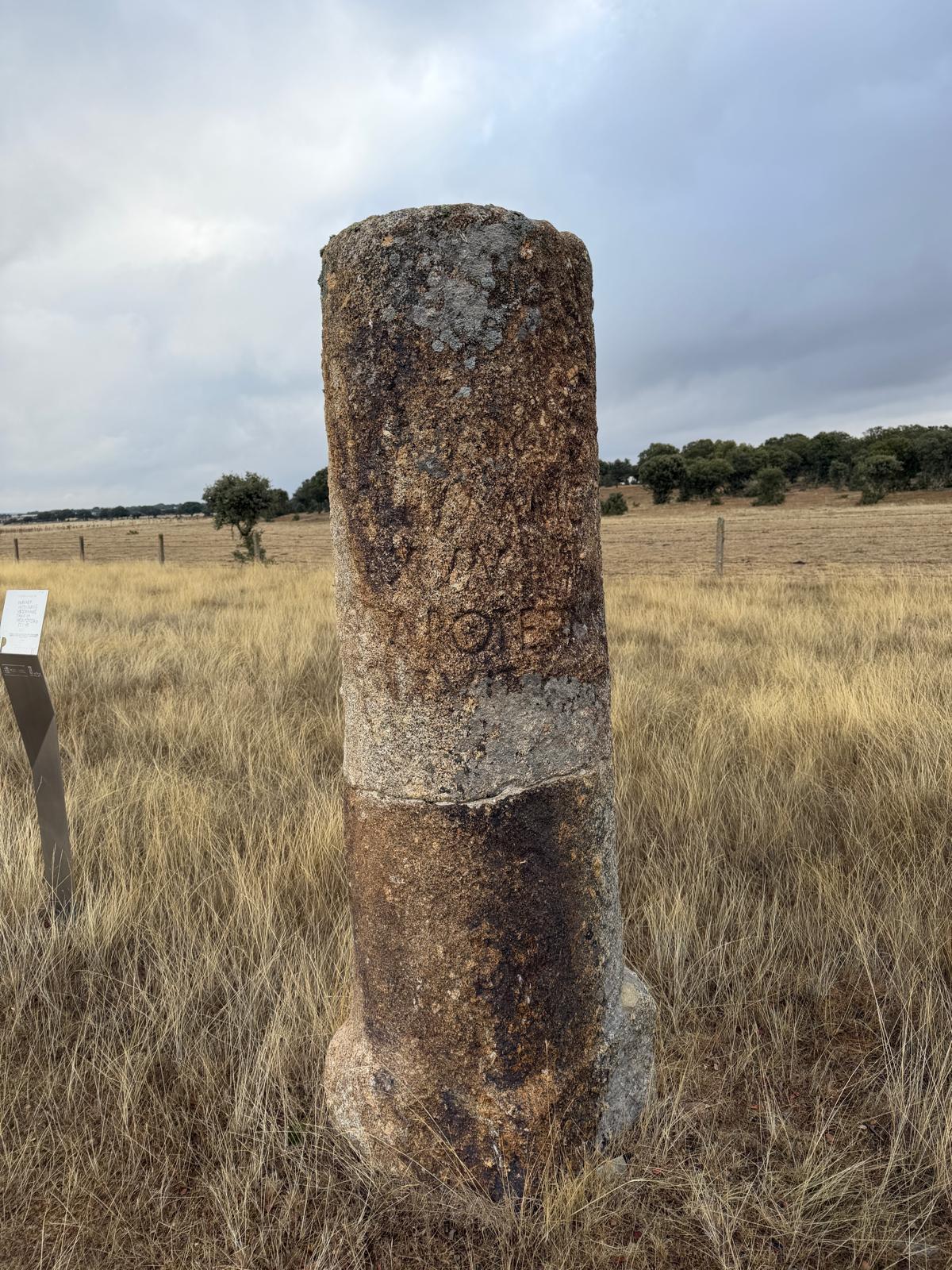
Near Salamanca, I passed three ancient stone pillars numbered 152, 153, and 154. These were Roman milestones, the ancient equivalent of highway mile markers. They helped travelers measure distances along Roman roads. A Roman mile was about 4,850 feet, slightly shorter than our modern mile.
Imagine discovering a highway sign nearly 2,000 years old!
You may have studied the Romans in school. Perhaps you've learned about gladiators, emperors, or the Colosseum. But have you wondered why we still study a civilization that disappeared so long ago?
One reason is that Roman engineering continues influencing our world today. At its greatest extent, the Roman Empire stretched across Europe, North Africa, and the Middle East. How could one government control such an enormous territory without airplanes, trucks, telephones, or the internet?
The Romans constructed a vast transportation network connecting cities, military bases, and ports.