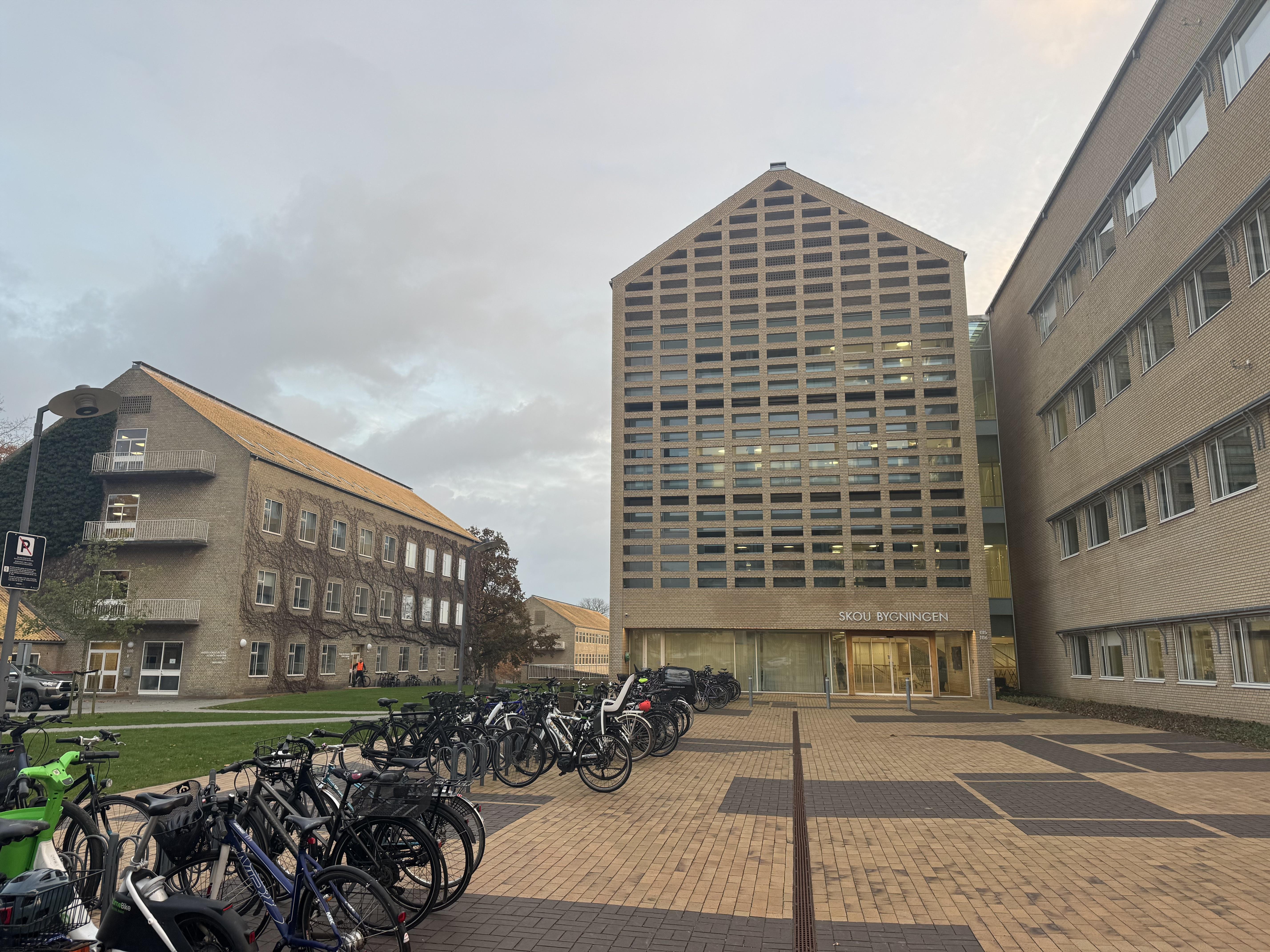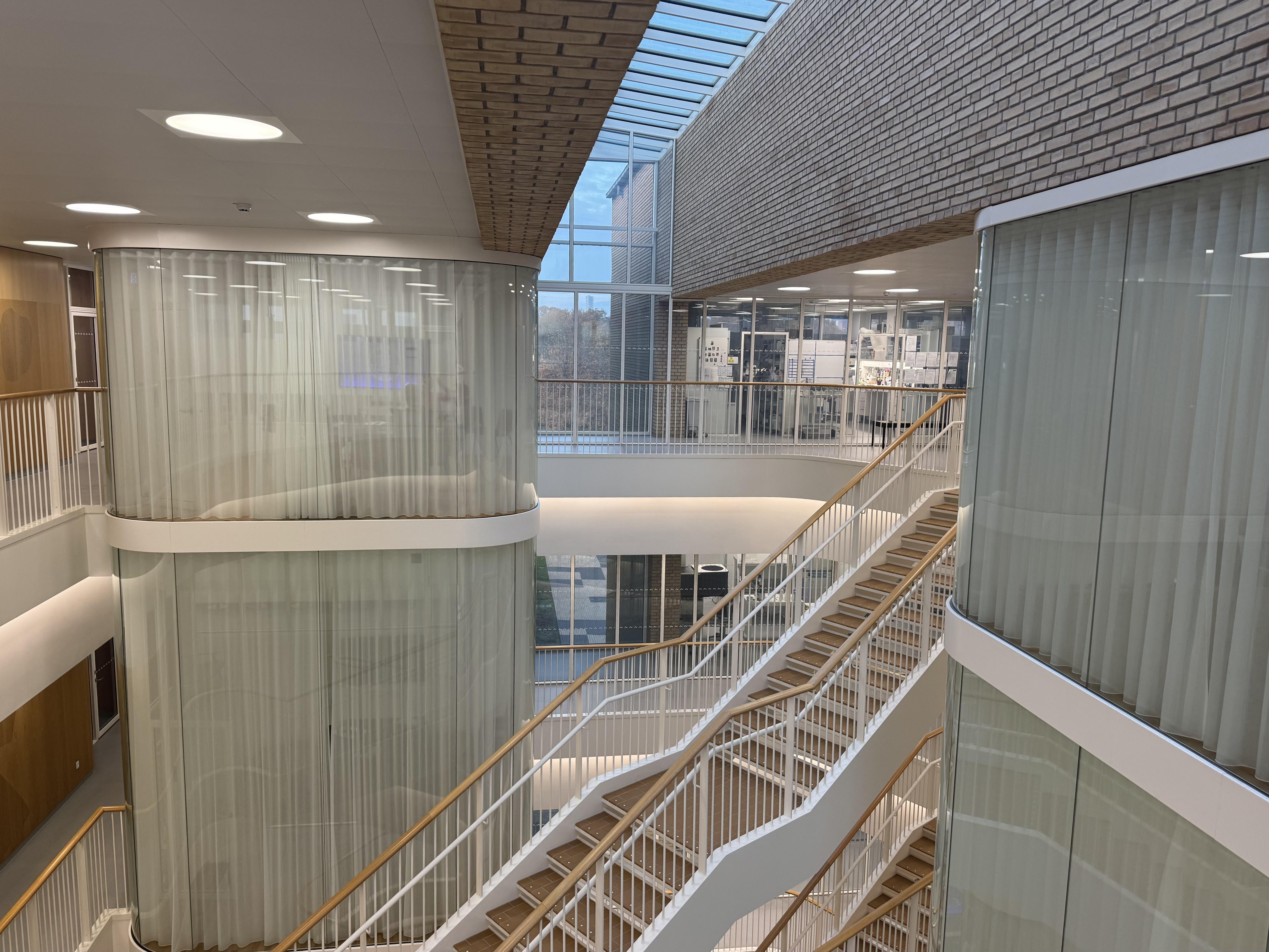
This year, I am working as a researcher at Aarhus University in Denmark. I am part of a team of scientists who study the brain, specifically how blood flows through its blood vessels.
Our brains need a constant supply of oxygen and nutrients to function properly. These are delivered through blood vessels, which carry blood throughout our bodies. A stroke occurs when blood flow to part of the brain is blocked or when a blood vessel in the brain bursts. Without enough oxygen, brain cells can become damaged. Depending on which part of the brain is affected, a stroke can make it difficult for someone to walk, speak or remember things.
My research focuses on understanding why some strokes are more severe than others and whether the movement of blood vessels plays a role.
What am I researching?
Blood vessels aren't just tubes that carry blood. Their walls contain muscle cells that can tighten and relax, causing the vessels to become narrower or wider. Sometimes, these changes occur in repeating patterns, almost like a rhythm. Scientists call this vascular rhythmicity.
In our laboratory, we are interested in whether these rhythmic movements help control blood flow during a stroke.