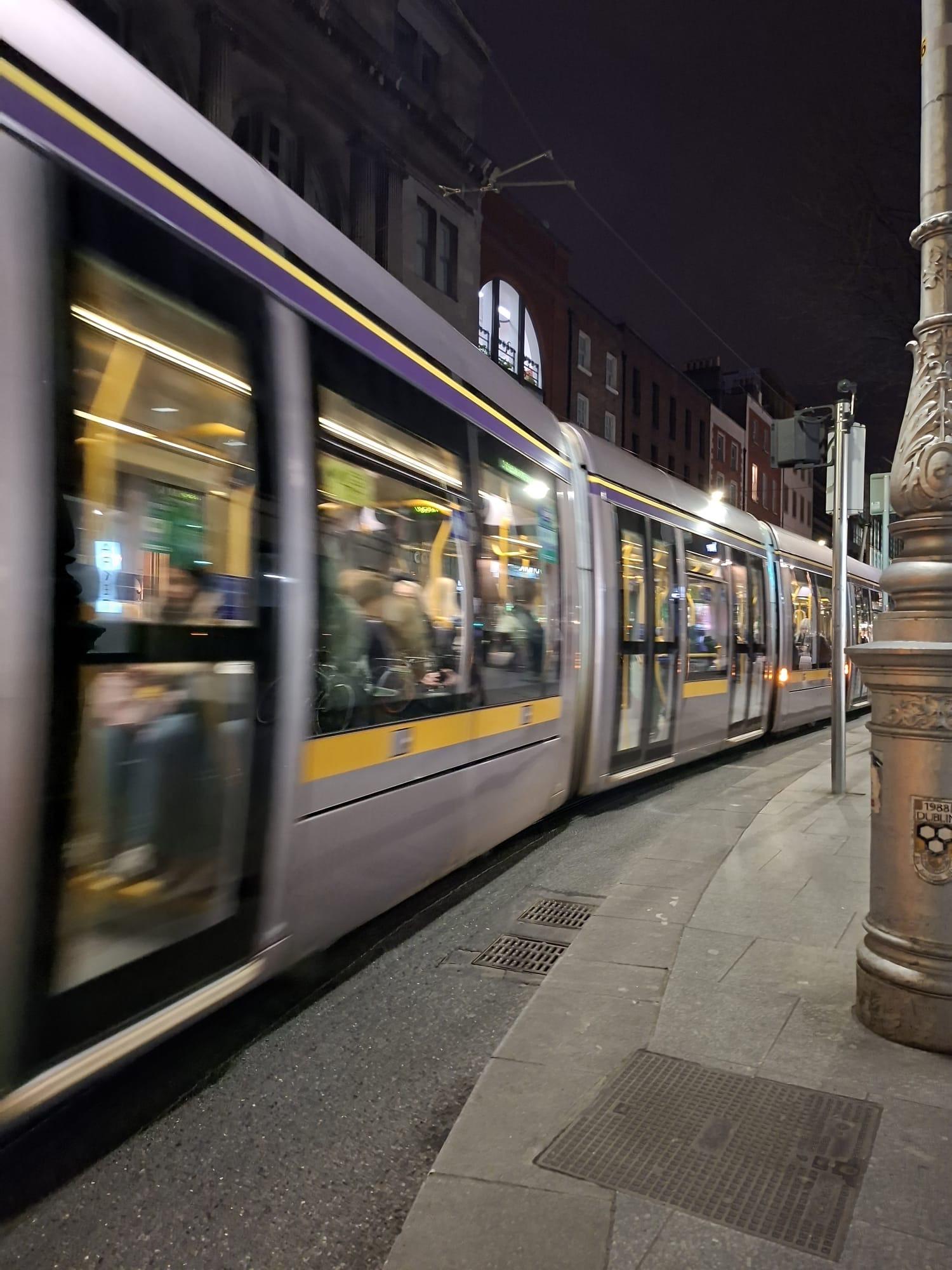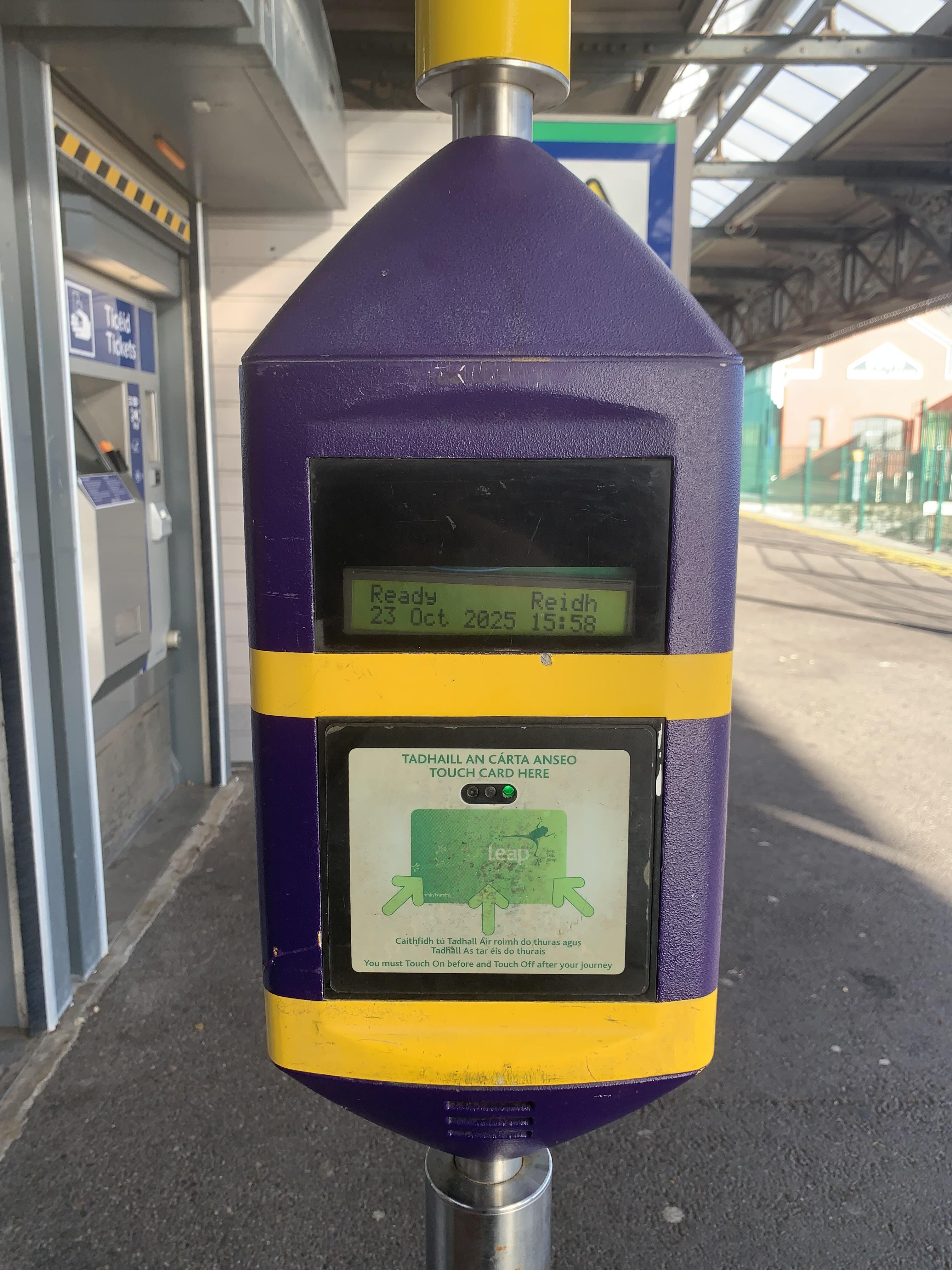
Dublin, Ireland, the capital, is special, because it also has a tram called the Luas. Luas is Irish for speed! However, outside of these major cities, there are many routes that are not available by train, and if you do not have a car, you would have to rely on a bus route. Buses are the most common public transportation in Ireland.
To leave the Island of Ireland, one must take a plane or boat. There are ferries that run from Ireland to Europe and North Africa.
Today, Ireland is separated into Northern Ireland and The Republic of Ireland. Northern Ireland is a part of the United Kingdom, and an entirely different country. This hard separation initially occurred during the Irish Civil war in 1922, following the Irish War of Independence, where Ireland fought to separate from Britain and formed the Anglo-Irish Treaty. Today, there is a soft border between Northern Ireland and The Republic, meaning that to travel to Belfast in Northern Ireland from Dublin in The Republic of Ireland, one need only get on and off a train, but this was not always the case. The border was patrolled by British Army until the Good Friday Agreement, which ended the modern conflict within Northern Ireland in 1998.
There have been other historical travel changes; once, Ireland also had plans to use canals for transporting goods as well as passengers. The Grand Canal in Dublin was completed in 1803, connecting Dublin to Shannon. They also built The Royal Canal to run to Shannon from Coolnahay around 1809. Unfortunately, the canal scheme mostly failed due to the amount of money and time poured into the projects. Today, The Grand Canal is still used by private barges, but The Royal Canal has been largely filled in.