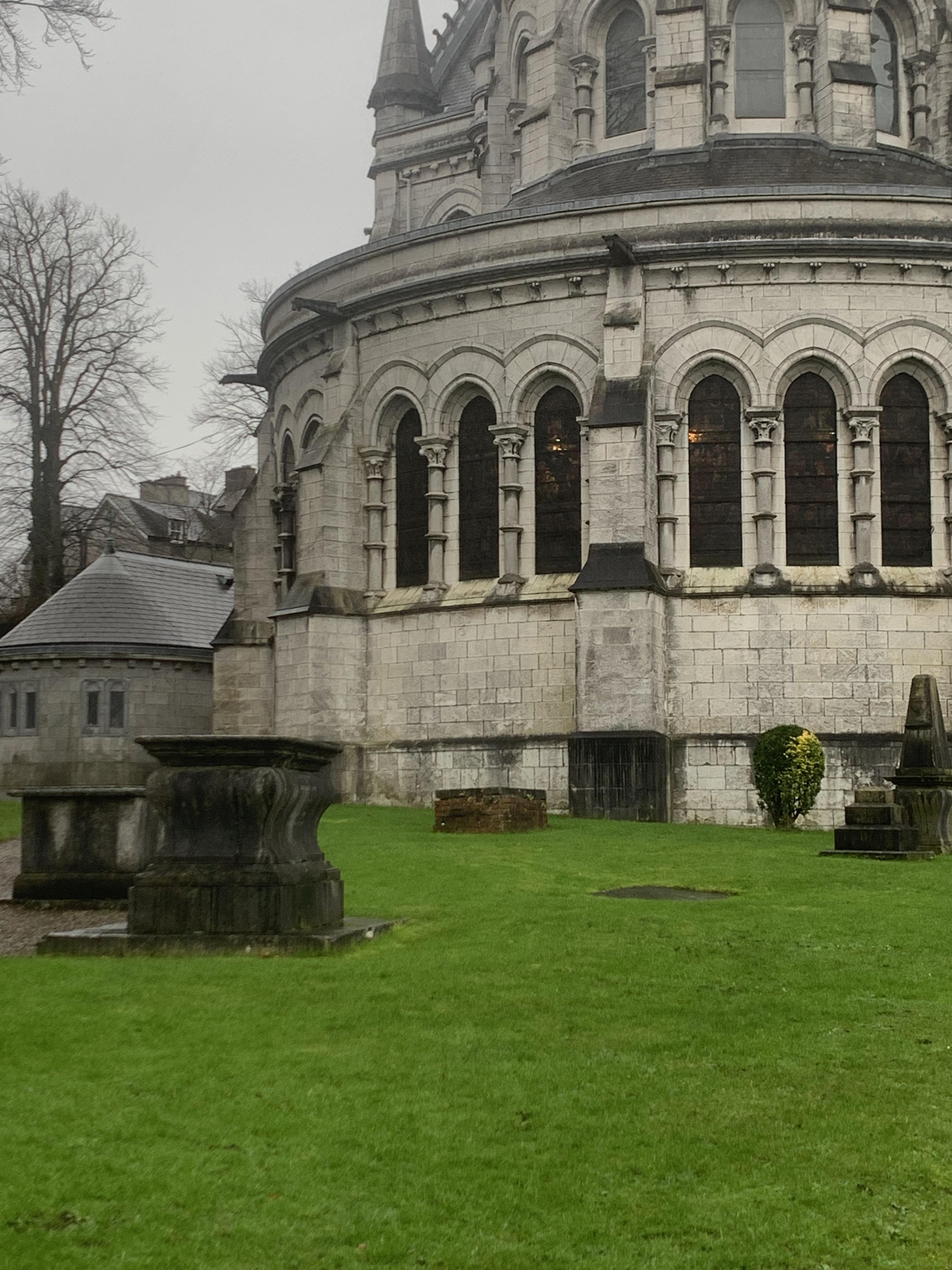
The original cathedral honoring Saint Finbarr no longer exists, but when rebuilding the cathedral in its current form, originally it was meant to have been built further back on the plot, giving space in front of the church for a large square. However, in the building process, the men digging for the foundation hit a grave, and stopped digging at once, of course, because this was believed to be the body of St. Finbarr himself. The grave is still there. Even the iconic golden statue of the angel on St. Finbarr's roof has its own history. It was a gift to the cathedral by the builder. As the Cathedral was originally Catholic, and currently belongs to the Church of Ireland, it is said that if the angel falls three times, the cathedral will become Catholic again. Or, alternatively, it could mean the end of the world. (It has already fallen twice).
The importance of stories is often overlooked, but stories allow us to connect with friends, preserve culture, and pass on multigenerational knowledge. Not all stories are meant for the public, sometimes the truest truth is protected. While a great deal of Irish folklore has been written down and collected by private archives or published online or in print, there is also a massive effort in Ireland and worldwide to preserve Irish stories the way they were intended to be told. The Cork Folklore Project is a great resource of oral histories in Cork, for example. Folklore often can tell us a great deal about how our ancestors came to understand the geography around them.
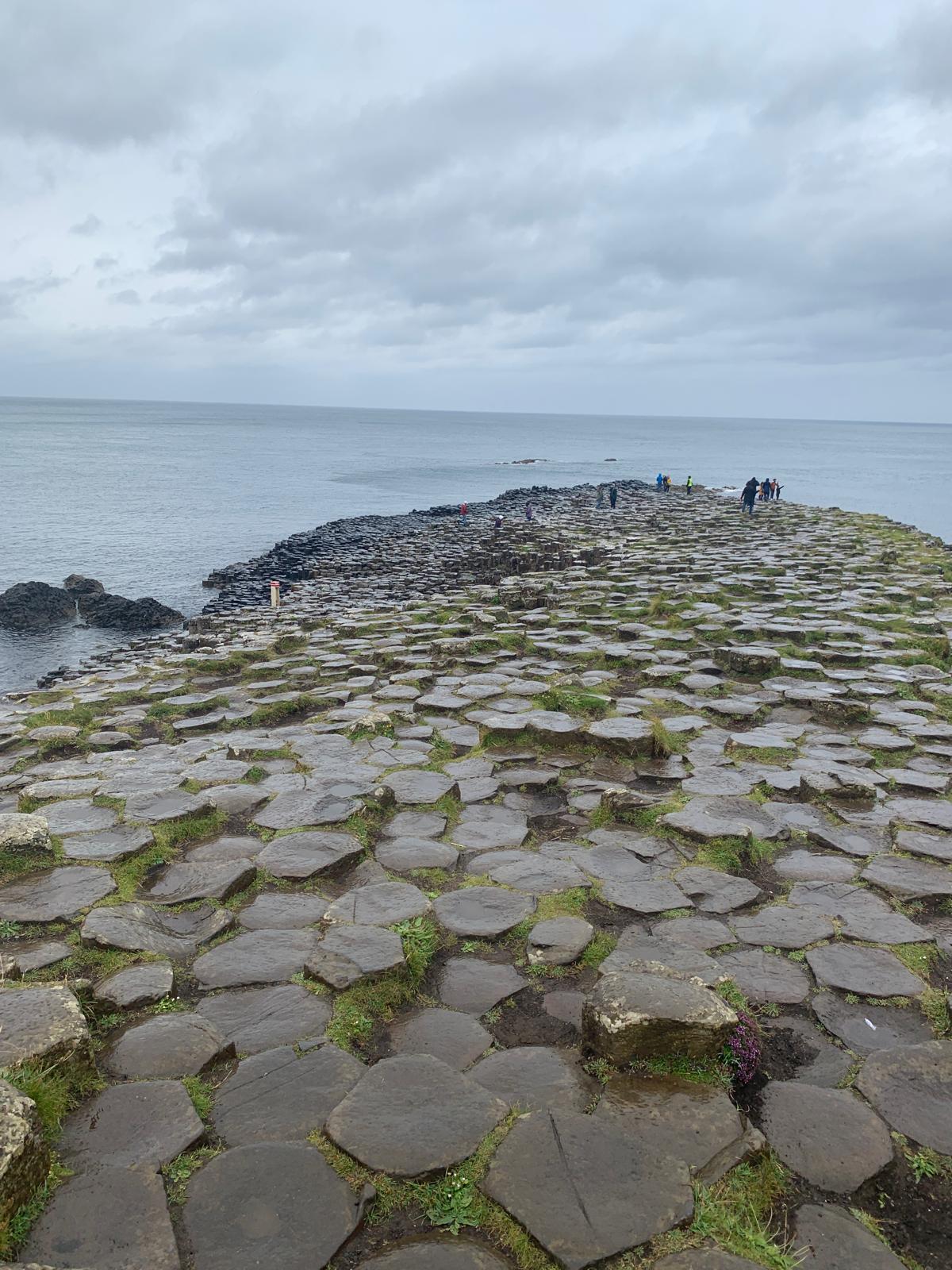
One of my favorites stories is that of the giant Fionn Mac Cumhaill, the legendary Irish giant, warrior, and poet who led the Fianna warriors.