Nepal is famous for the Himalayas, the tallest mountains on Earth, which is why Nepal is often called the "roof of the world". But Nepal is much more than just the Himalayas, encompassing everything from mountain foothills to lowland floodplains, which has created a huge amount of diversity – both in terms of biological variety and culture. This complex geography means that people in Nepal interact in unique ways with their environments, as the land around them dictates how they are able to live their lives. Nepal is a land of incredible scenery, but living in these landscapes often comes with unique challenges and dangers, as evidenced by the recent natural disasters that have devastated the country.
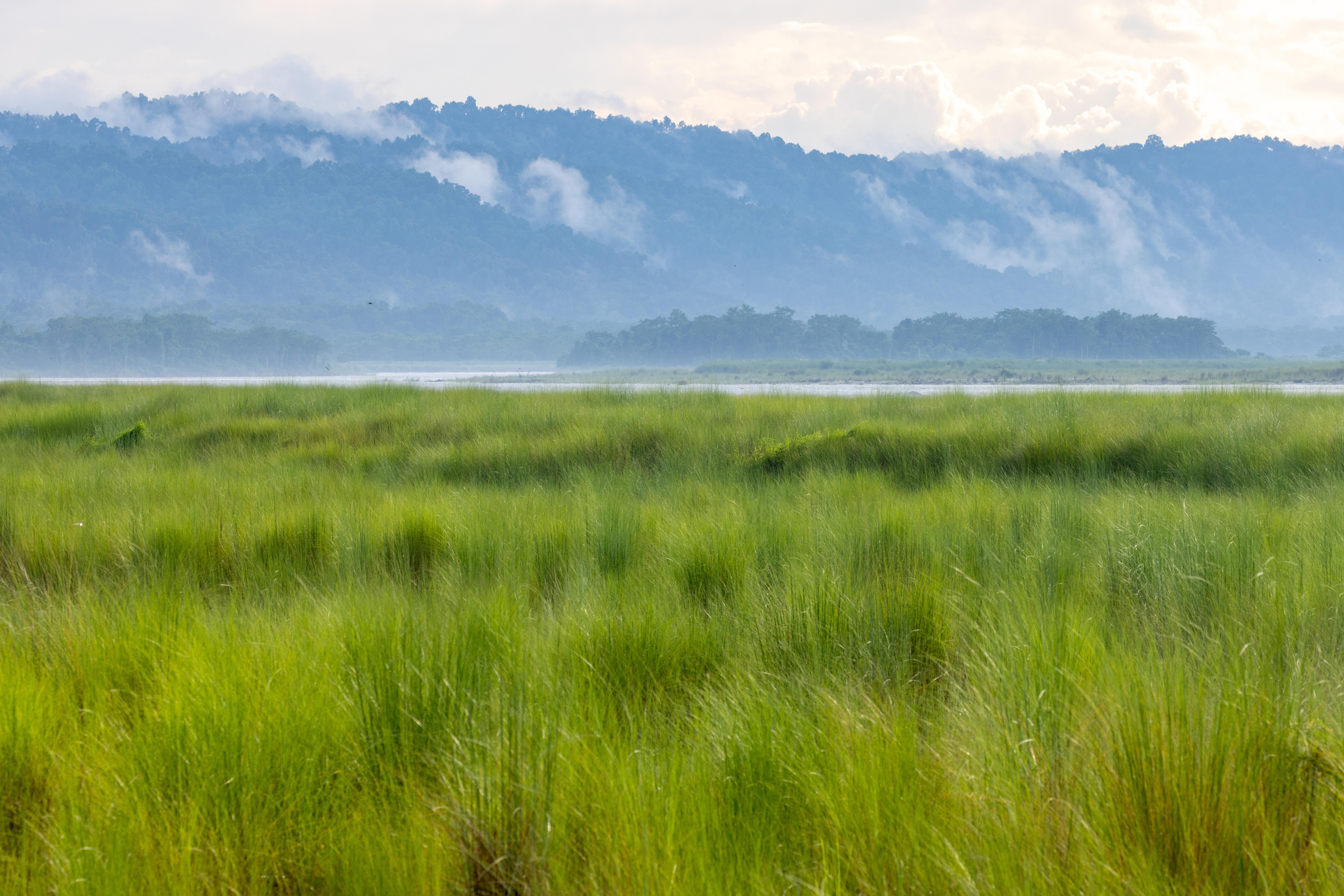
Mount Everest stands 29,032 feet above sea level, and 8 mountains here reach above 26,000 feet. For reference, the tallest point in the U.S., Denali, is "only" 20,310 feet in elevation. But in the south of Nepal is the Terai, a lowland floodplain dominated by grasslands and marshes and which have contain Nepal's lowest point at 193 feet above sea level. Between the top of Everest and Mukhiyapatti Musharniya (Nepal's lowest point) is an aerial distance of 116 miles, meaning that the elevation in the country changes drastically over short distances.