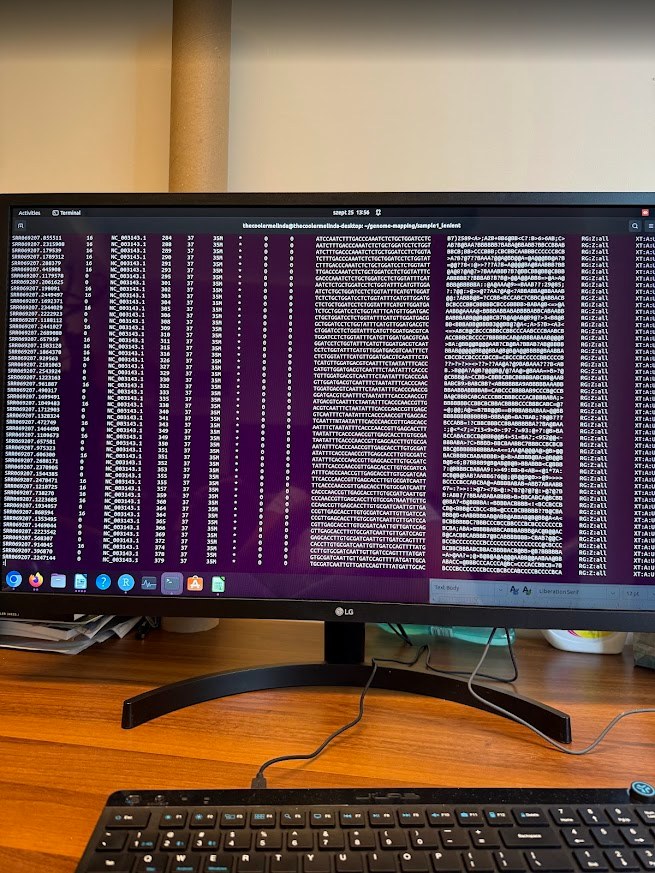
When most people think of archaeology, they imagine digging up lost treasures or Indiana Jones. This couldn’t be further from the truth, as excavations are largely a scientific endeavor. Even after the excavation, the most revealing discoveries aren’t always visible to the eye. They’re microscopic, hiding within the remains we uncover, in fragments of DNA preserved for thousands of years.
From Excavation to the Laboratory
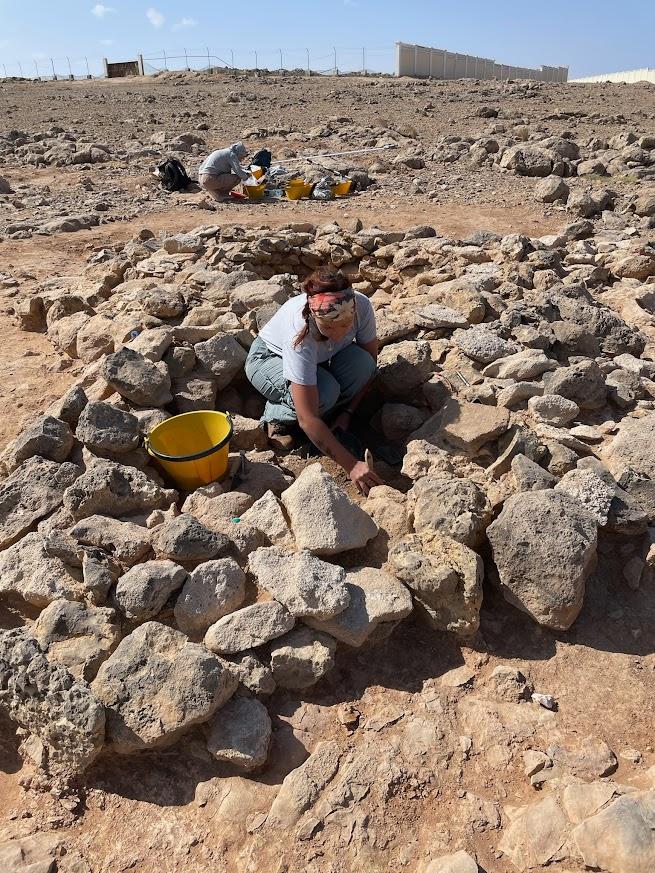
Discovery begins in the field (what we call all excavations regardless of the actual terrain). During an excavation, archaeologists carefully expose each layer of stratigraphy, or soil, documenting every detail before anything is removed. We take samples from the soil, and from bones. There are special anti-contamination processes if we know that these samples will later be sampled for ancient DNA (aDNA), as DNA from a living person can easily overwhelm what little ancient material remains.
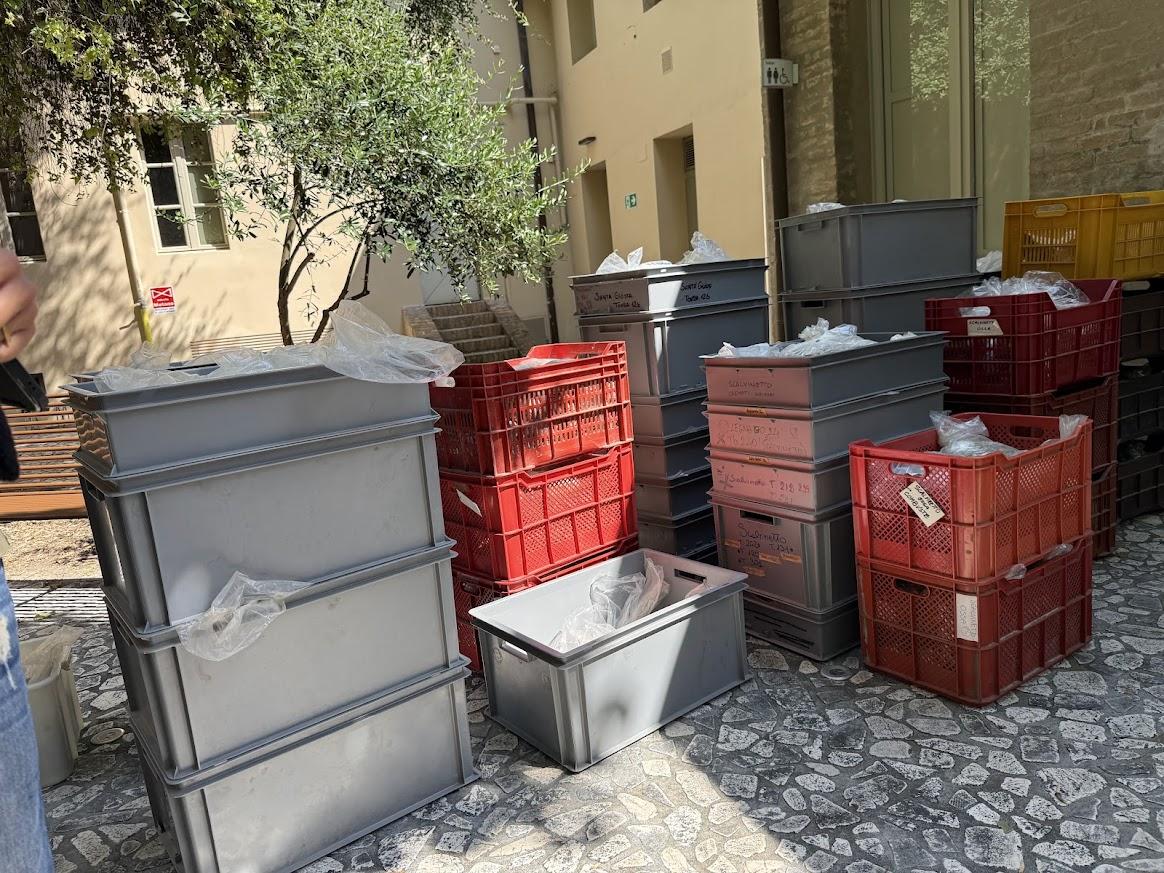
Once in the lab, the first question is where the DNA comes from. Not every part of the body preserves it equally. The petrous bone, a dense part of the skull behind the ear, is one of the best sources, protecting DNA deep within its structure.