Teeth are another excellent source because the pulp chamber shields genetic material from the environment. In some cases, scientists can even recover DNA from calcified dental plaque (calculus), soil around archaeological sites or the skeleton, or ancient artifacts that once touched the body, like a pendant worn against the skin.
Extracting the Invisible
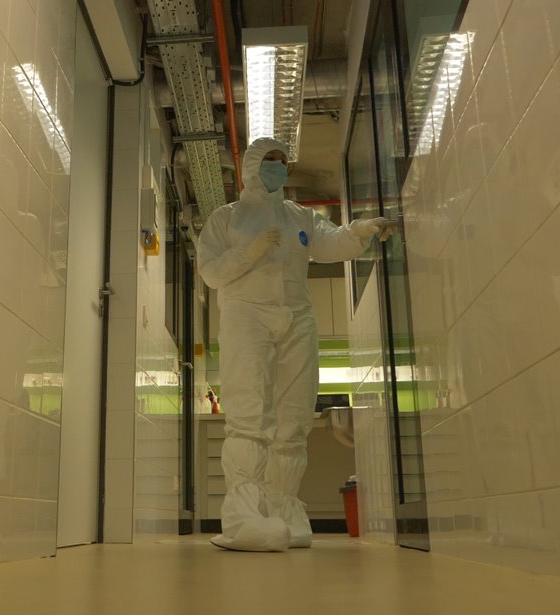
Once we leave the field, we take all of the samples to the clean lab—a room designed specifically for ancient DNA extraction. The lab is highly specialized, and we have to take many precautions. The air is constantly filtered to remove dust and particles, ultraviolet lights sterilize the workspace, and surfaces are wiped with bleach before and after each step. Nothing that has ever touched modern DNA is allowed inside.
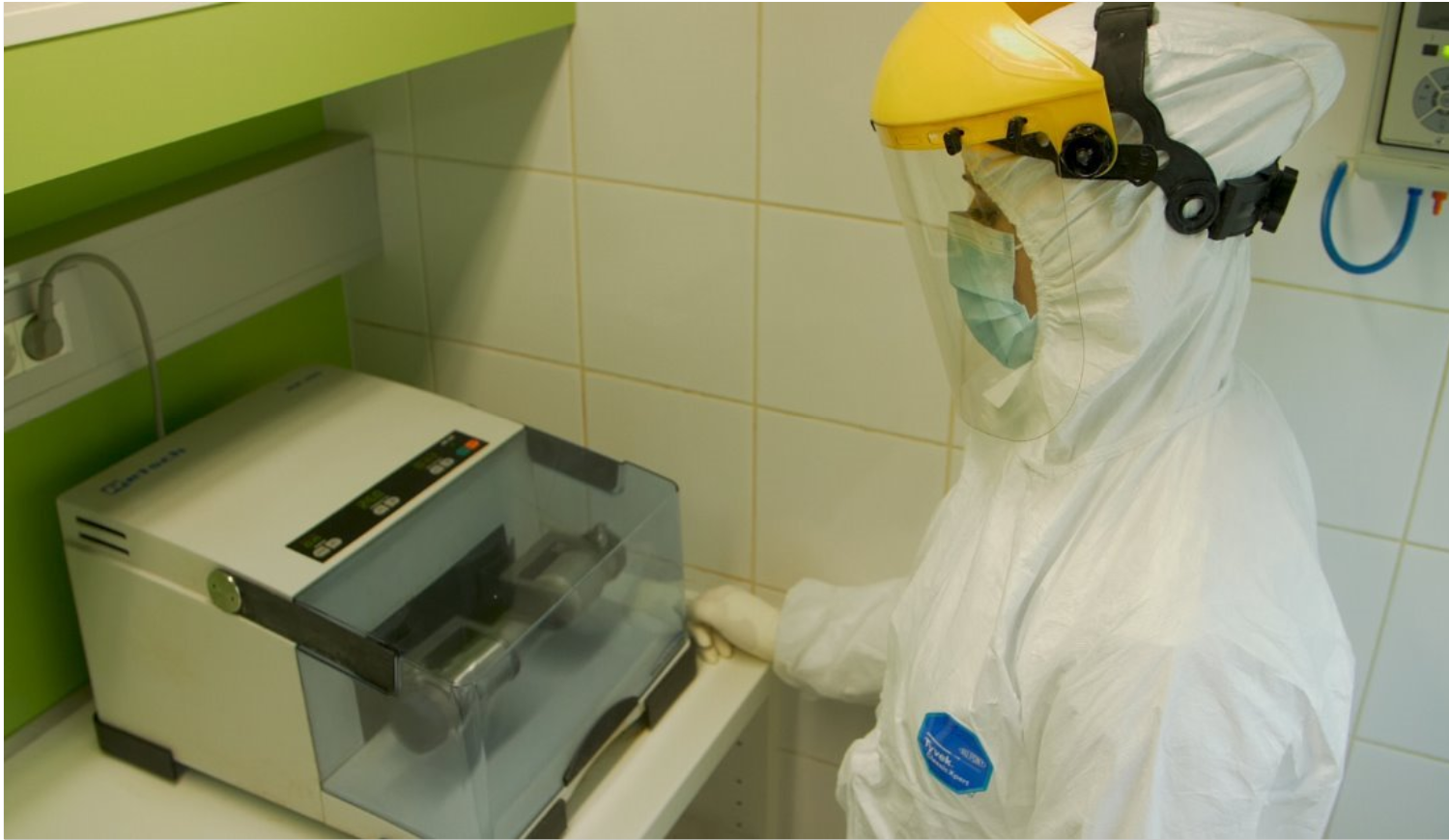
Before entering, we put on layers of protective clothing. First come the coveralls, hairnet, and shoe covers, followed by a face mask and a face shield. Then we put on three pairs of gloves—an inner layer that stays on throughout the session, a middle layer replaced between samples, and an outer layer changed immediately if it touches any potentially contaminated surface. These layers are not for our protection; they are to protect the samples from us. Every breath, fingerprint, or stray hair contains modern DNA that could overwhelm the fragile ancient signal we’re trying to recover.
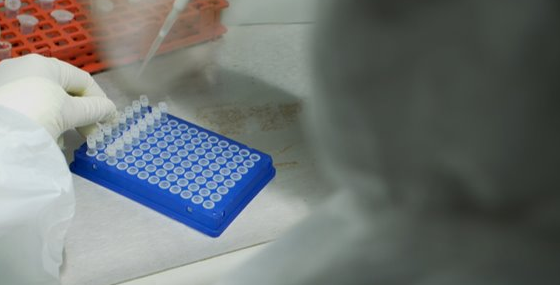
A tiny fragment of bone or tooth is ground into fine powder and dissolved with chemicals that release the DNA trapped within. The resulting solution contains only a few billionths of a gram of genetic material, most of it broken into short fragments. After purification, we build libraries of these fragments for sequencing.