They help break down complex carbohydrates and create small molecules that give energy to our gut cells. They also play an important role in "taking up" space in the gut microbiome and making it more difficult for bad bacteria to move in. But not all Bacteroides are friendly. Some types can become pathogenic, which means they make you sick. Sometimes these bacteria can be harmless when they stay in the gut. But if they move to other parts of the body, or if the balance of bacteria in the gut changes, they can cause infections.
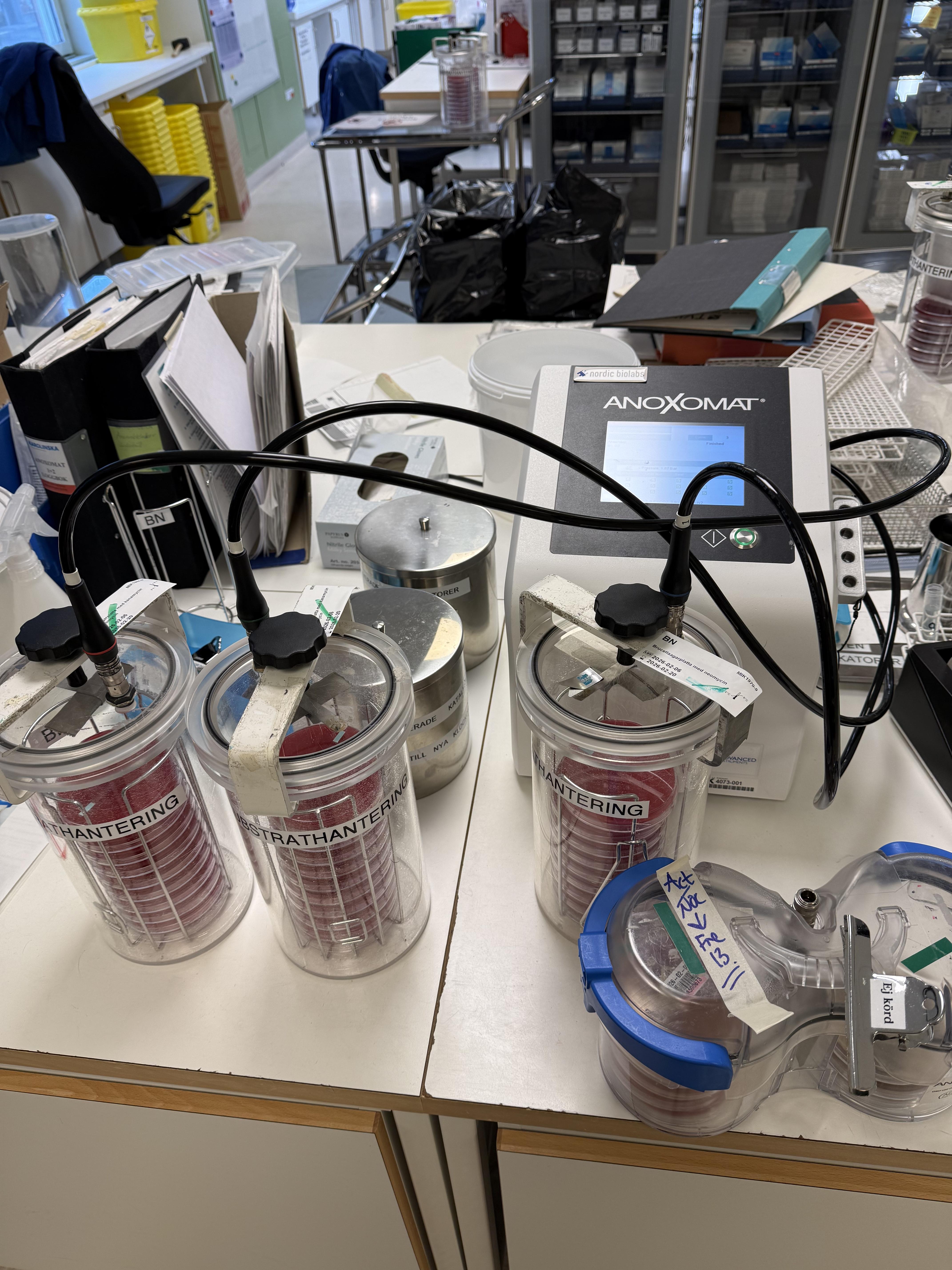
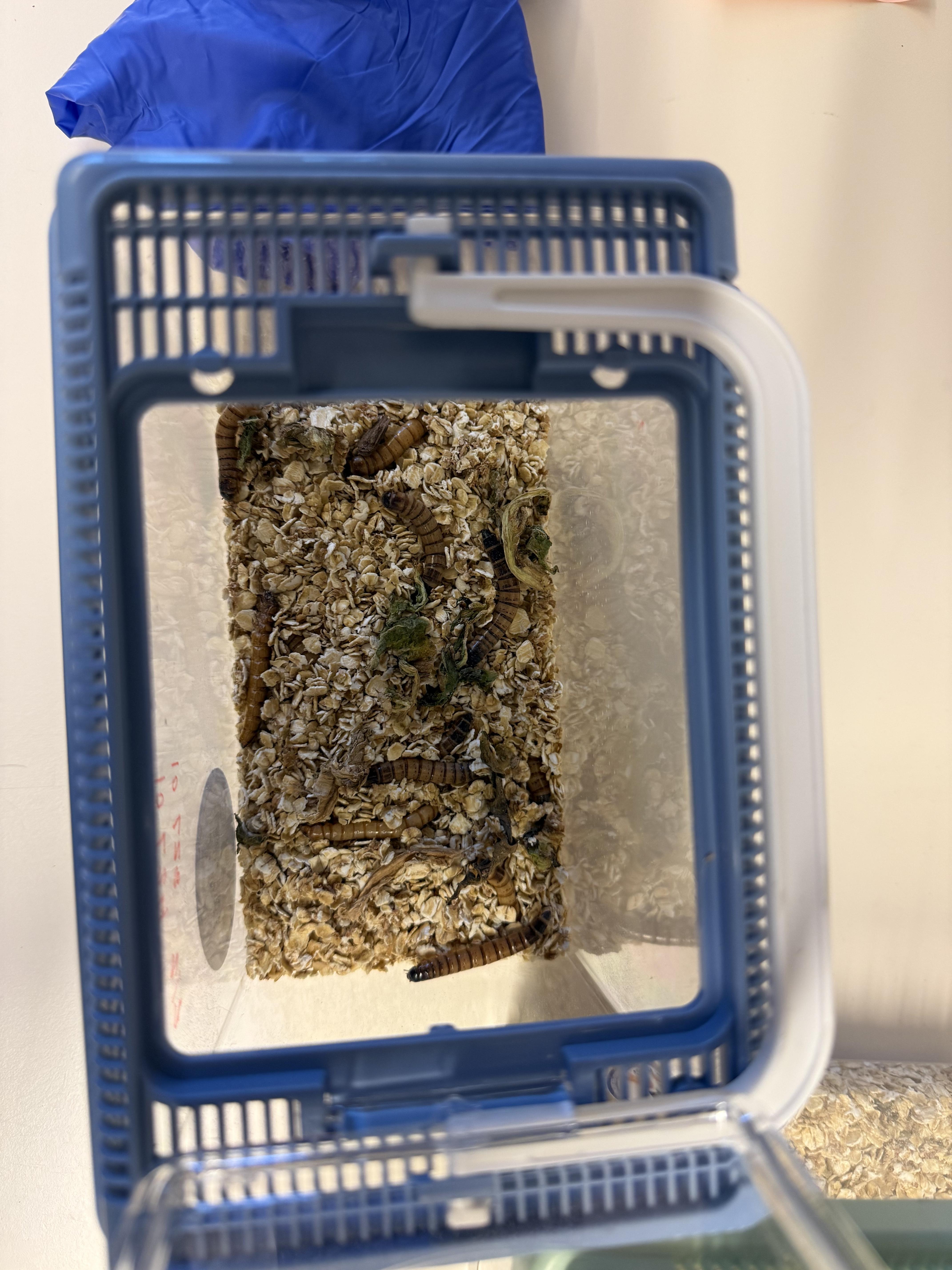
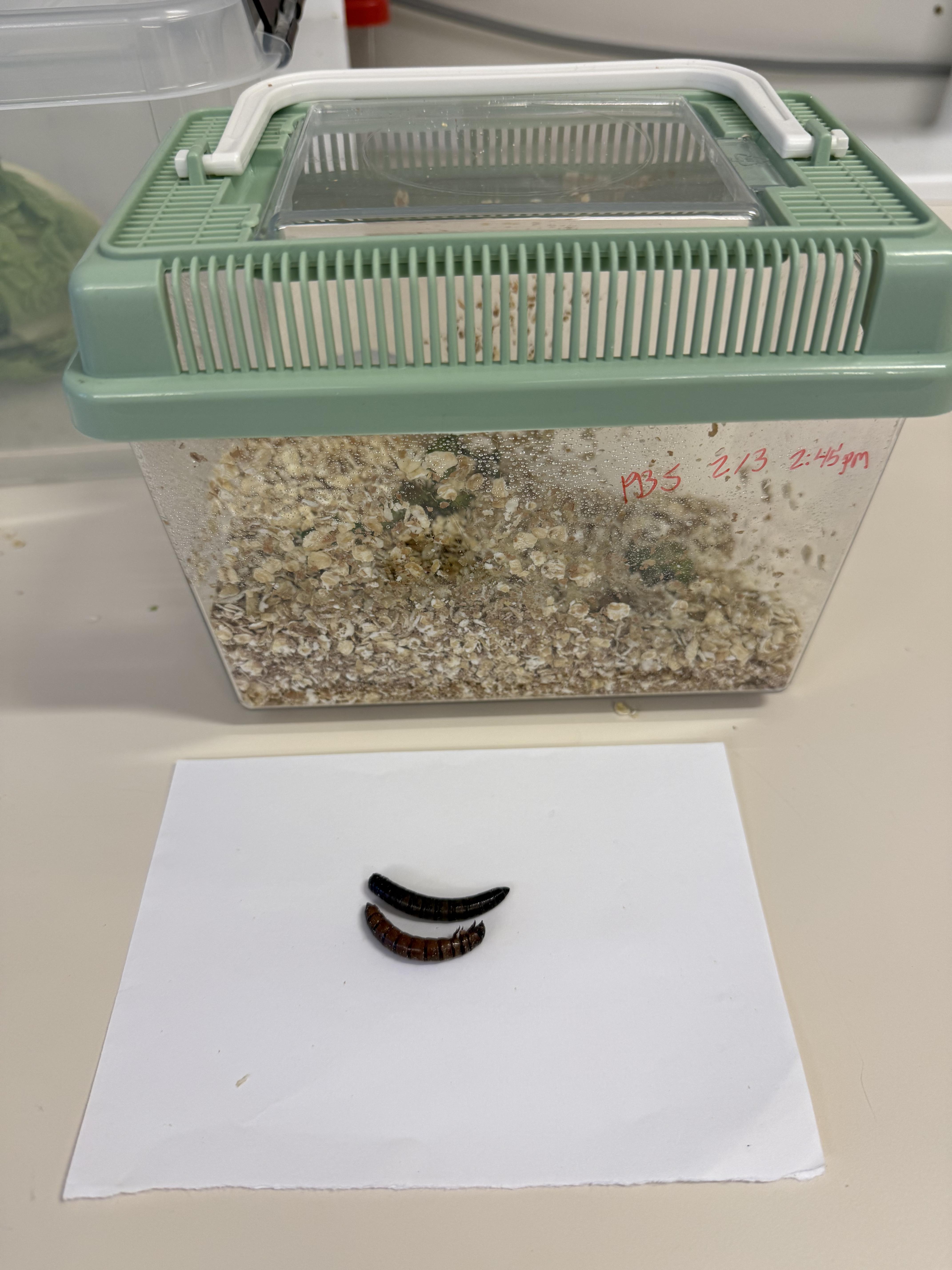
My research focuses on understanding the difference between helpful Bacteroides and harmful ones. I study what makes some of them peaceful neighbors and what makes others turn into troublemakers. We look at their genes, which are like instruction manuals inside each organism. These genes tell the bacteria how to grow, what food to eat, and how to interact with our bodies. We also study how these bacteria interact with their environment. One important aspect of these bacteria is their production of biofilm. Biofilm is a gooey-like substance that bacteria can produce to help evade the immune system or increase their chances of surviving antibiotics. One thing we are interested in understanding is how the addition of antibiotics might increase or decrease the production of biofilm in commensal and pathogenic Bacteroides. We are also interested in modeling how these bacteria infect a living host. To do this, we use different organisms to act as a "model" of a human. In this case, I am using a beetle larva as a model for human infections. To do this, I infect the larvae with a bacterial solution and track how many of the larvae survive.