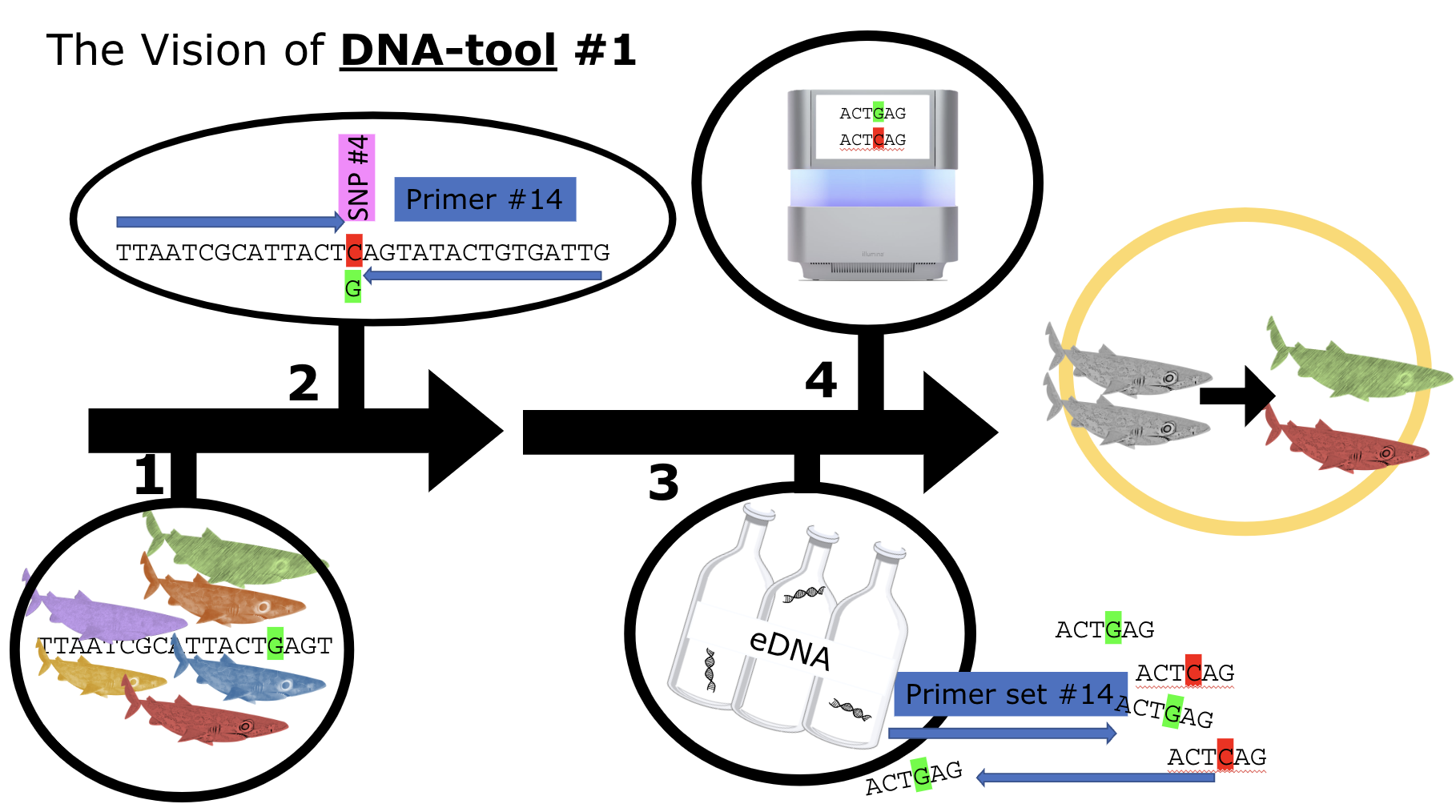
In theory, I can go from saying there is a Greenland shark here to saying a member of this specific family is potentially present. This process has yet to be widely used. How could a tool like this be used to support biodiversity protection? Consider this for your upcoming lessons with Mr. Collins: Why is population genetics important in wildlife conservation? These are my research goals!
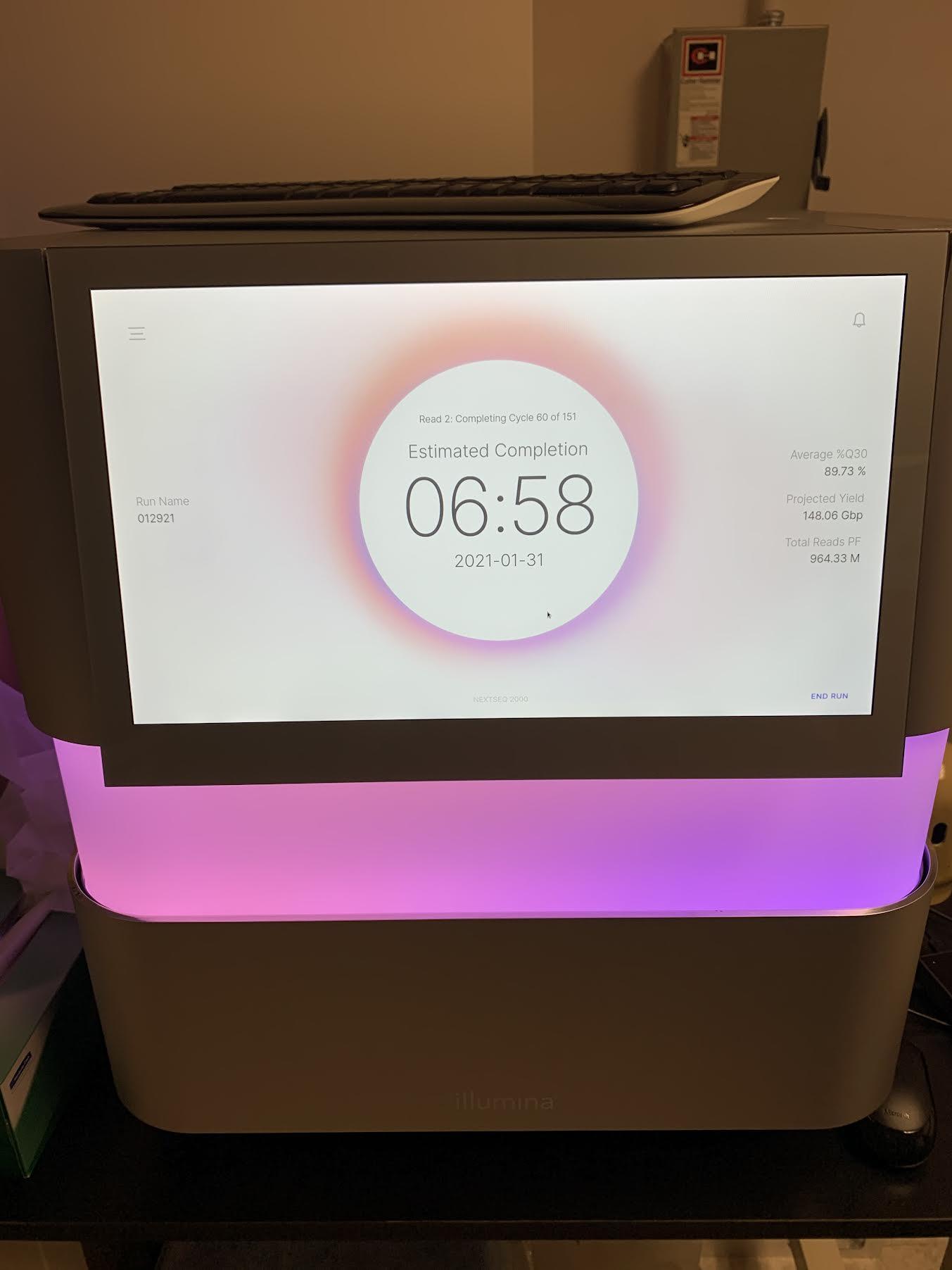
I have personally operated the amazing sequencers that make all of this research capable while at my previous research fellowship in the Human Immunology Sequencing Core within the Vaccine Research Center of the National Institutes of Health. The machine in the picture is made in Singapore and glows in many different colors! Too cool. You will learn more about these incredible machines from experts in the following weeks.
Glossary of Terms