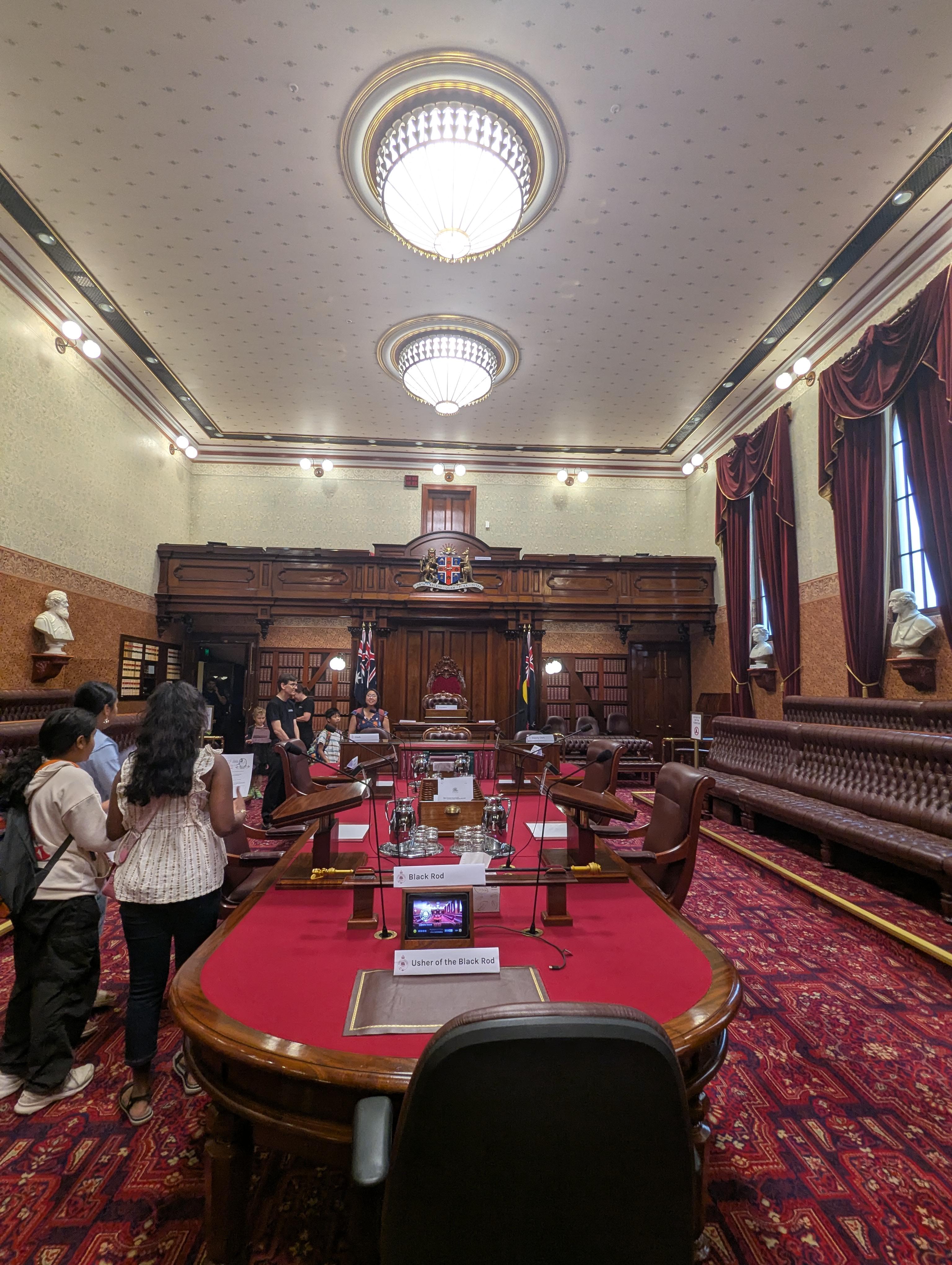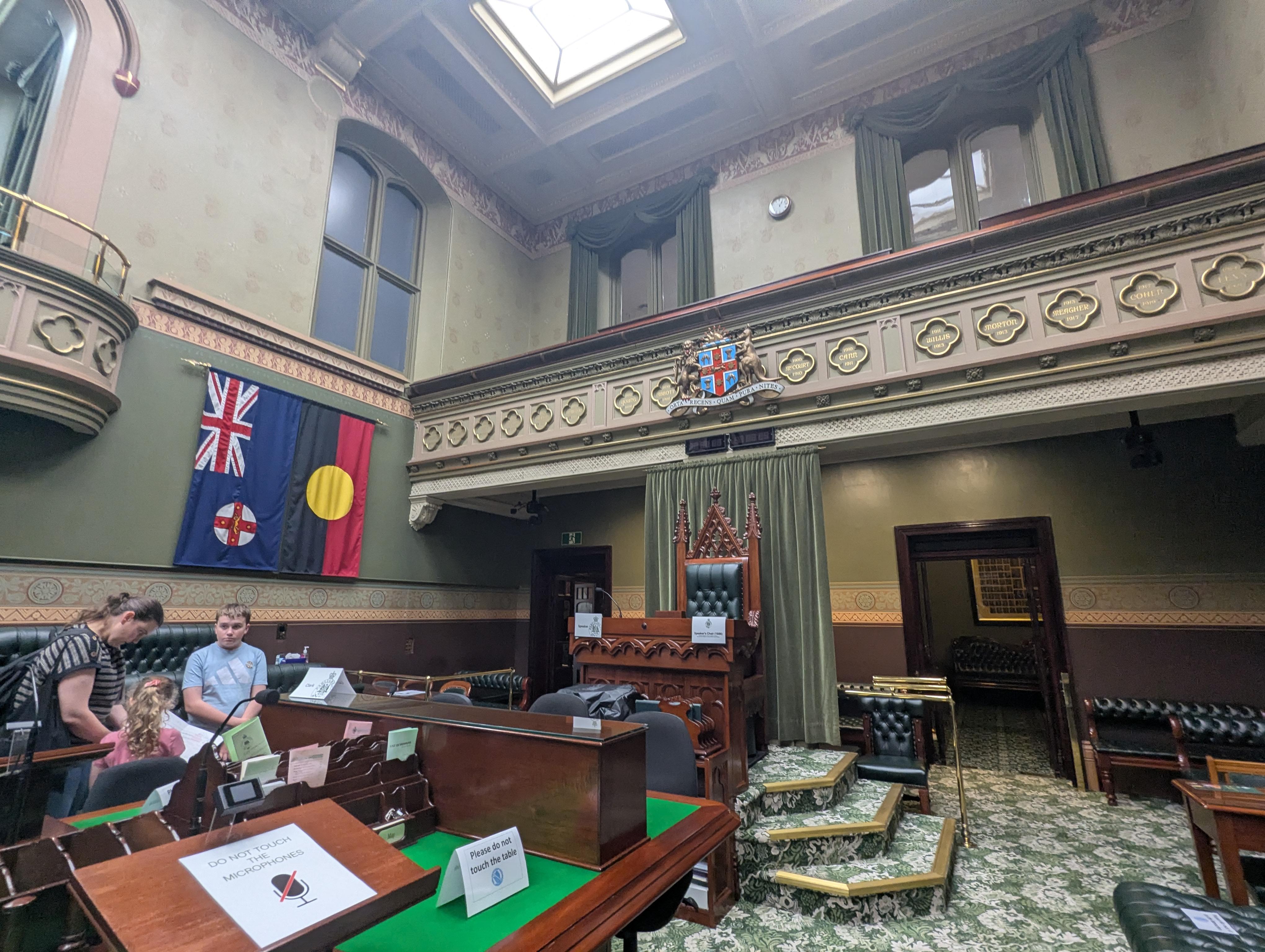
The federal parliament is similar to the federal government in the United States in its responsibilities to make decisions about foreign policy, taxes, and trade. Australia also has a Senate and House of Representatives, just like the U.S. The Australian Senate has 76 members, in the Senate and about 150 members in the House of Representatives. Representatives serve a maximum of three years, while Senators have fixed six year terms.
Australia is made up of six states: Queensland, New South Wales, Victoria, Tasmania, South Australia, and Western Australia. Australia also has two territories: the Northern Territory and the Australian Capital Territory (ACT), which is home to Australia’s capital city of Canberra and the federal parliament. In Australia, the primary difference between states and territories is their ability to self-govern. States have their own constitutions and laws, while the territories largely follow federal laws and have less parliamentary power. Each state has a Premier, similar to a state Governor in the U.S, and most states have two parliamentary houses: a Legislative Assembly and a Legislative Council. The Assembly, or lower house, is responsible for making laws and passing them based on a majority vote. The Council, or upper house, reviews legislation passed by the Assembly and provides checks and balances.
Many communities and cities in Australia also have local councils that are in charge of city planning or community services in specific areas. While the United States has county and city governments, Australia only has one tier of local government, with some rural areas being unincorporated and not associated with a council.