Some words did not translate neatly into English at all — like maeum (마음), which describes a space somewhere between the mind and the heart. These words were not just definitions; they were ways of thinking. Within my first week in Korea I started to notice jeong not as a concept but as something woven quietly into everyday interactions. It was not something I could rush or define immediately. It appeared slowly, almost without trying.
Part of this came from feeling, in many ways, like a child again. The language barrier returned me to a beginner’s state — which is to say, feeling a little lost but in a beautiful way. I had studied before arriving through language apps, tutoring, dramas and articles. But none of that mattered unless I allowed myself to be slow and intentional. I could not hurry understanding. I had to let it accumulate, moment by moment.
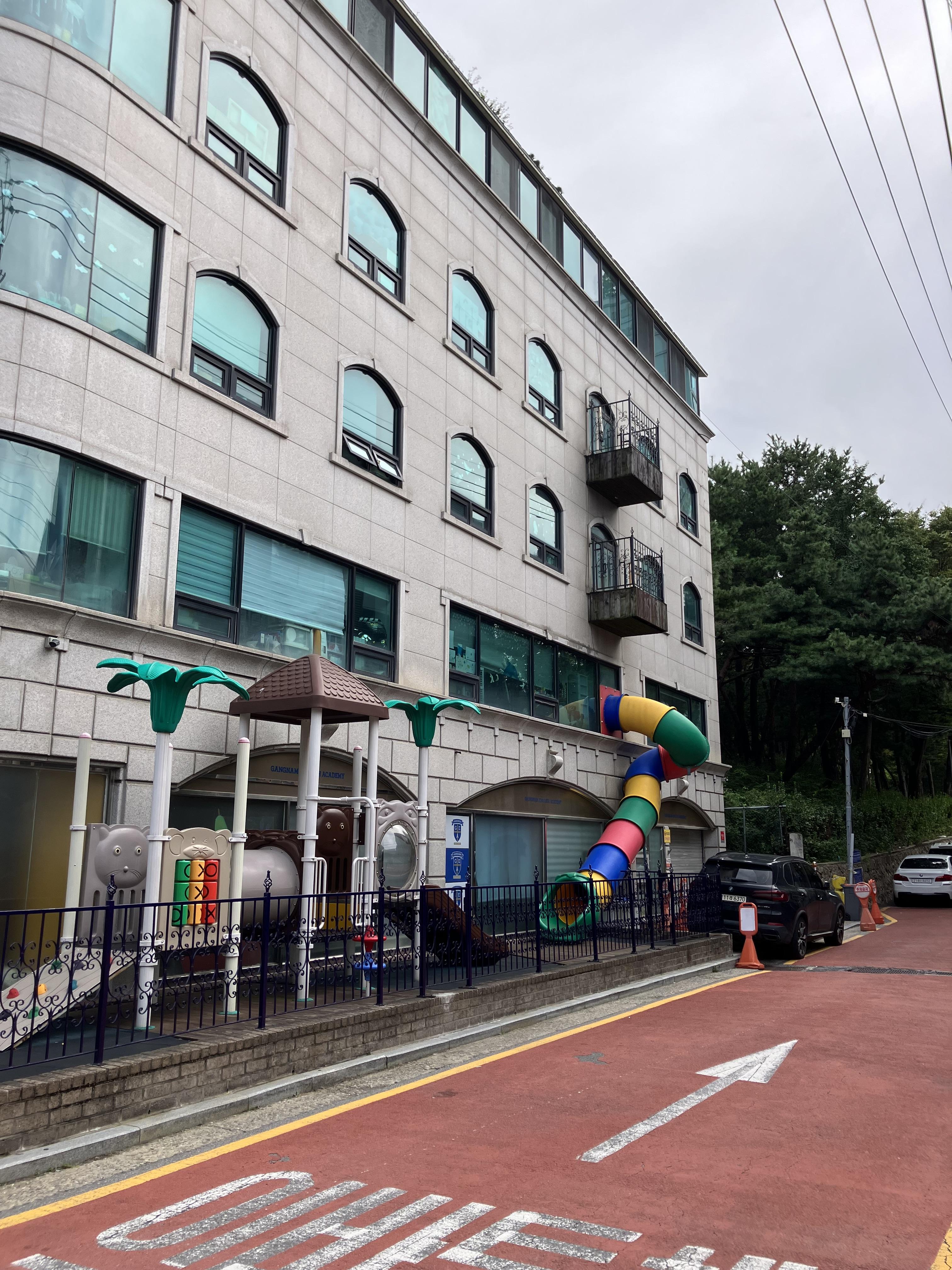
One of the first new Korean words that stayed with me was cheon-cheon-hi (천천히) — “slowly.” I saw it on road signs first, then heard it on buses and began repeating it to myself because the syllables echoed. Bus drivers would say it when people hurried to step off before the doors closed. At first it was practical — a reminder not to rush. Over time it became philosophical. The word kept appearing, almost like the environment itself was giving permission: Do it slowly.
This slowness was not only about language.