Having it in a meal like this was a new experience. Nonetheless, it was surprisingly delicious. I had a lot of surprise in my early days of my journey, the good kind, the one we call "pleasant surprise”. I think in some ways I expected the newness of it all to overwhelm me, or perhaps I expected simply not to enjoy things like new foods, so I braced for a terrible taste in my mouth, only to be “pleasantly surprised” that I genuinely enjoyed the food.
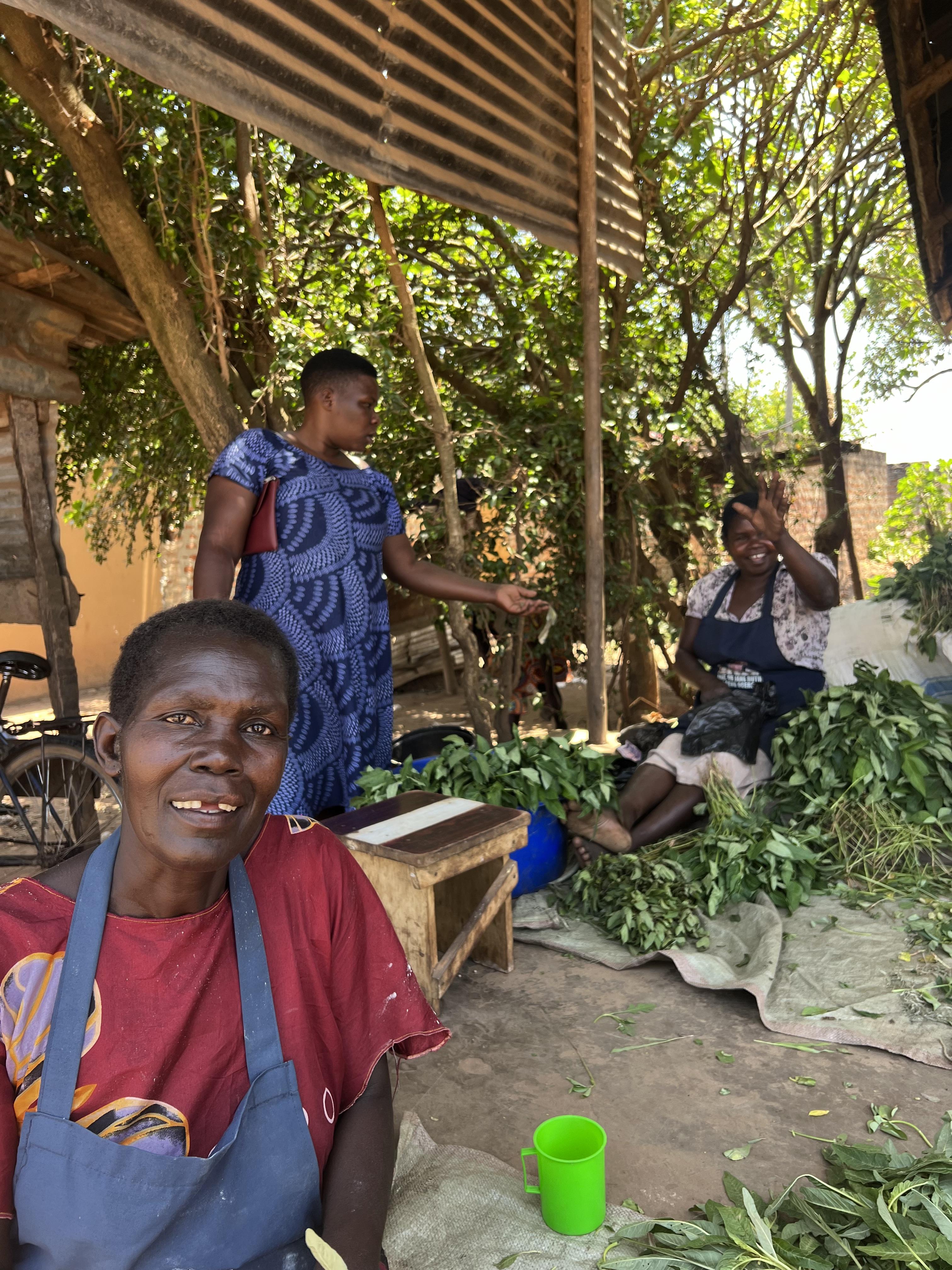
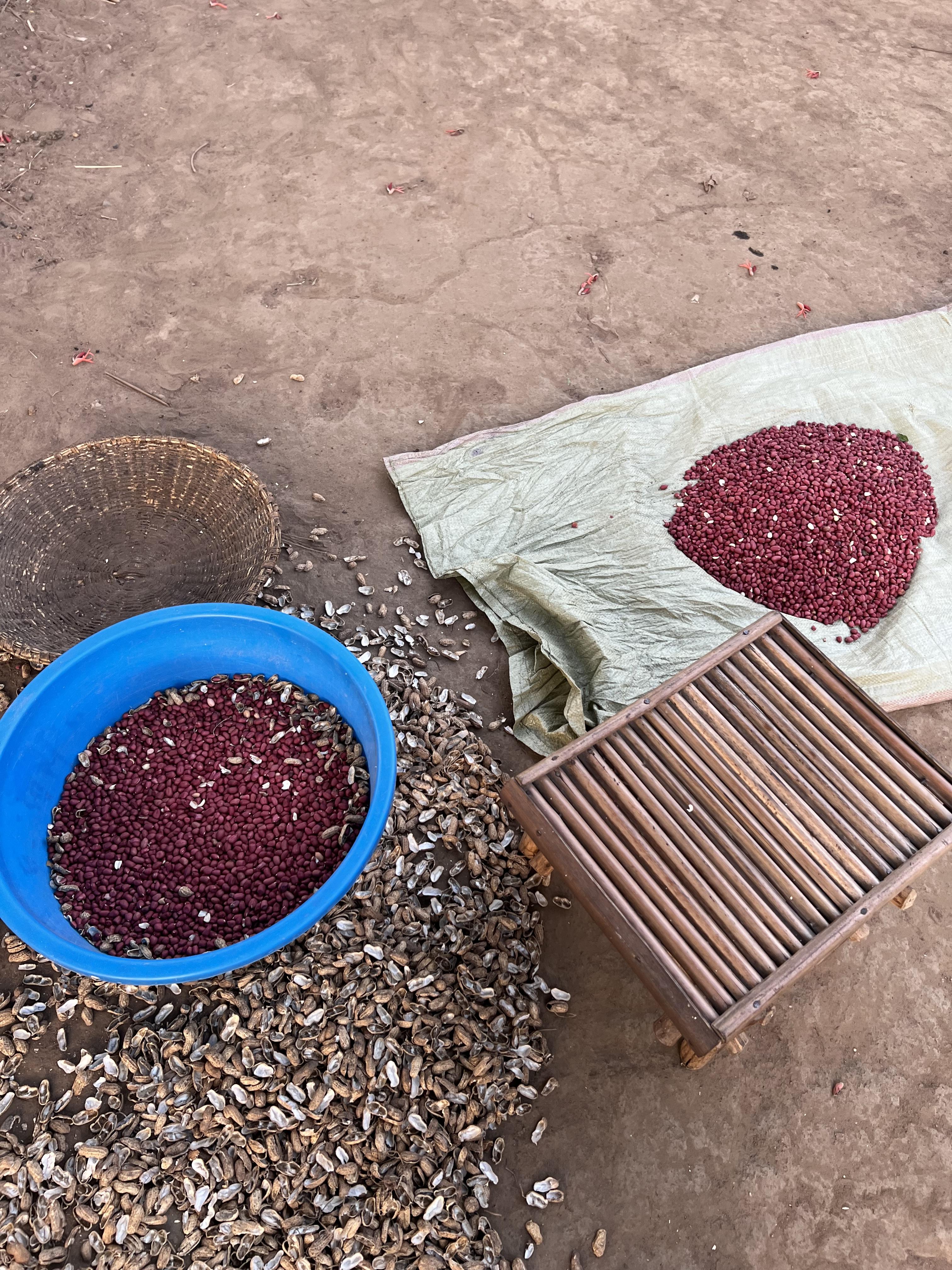
You can either buy your greens or walk to your garden to pick them. Once you have them, you tear each leaf of the stem, often an activity left to young children as it is a simple task, but time consuming. Once you have your greens ready, you boil them in some water with a little bit of baking powder to help reduce the natural bitterness of the green. Once that is done, you strain the greens and put them aside. In a separate pot you heat your g-nut sauce (which is just roasted g-nuts that have been ground into a paste, like peanut butter, but not nearly as thick) and add your cooked greens. This dish, like all other local dishes, is served with a side carbohydrate, and this particular one is best paired with millet bread.
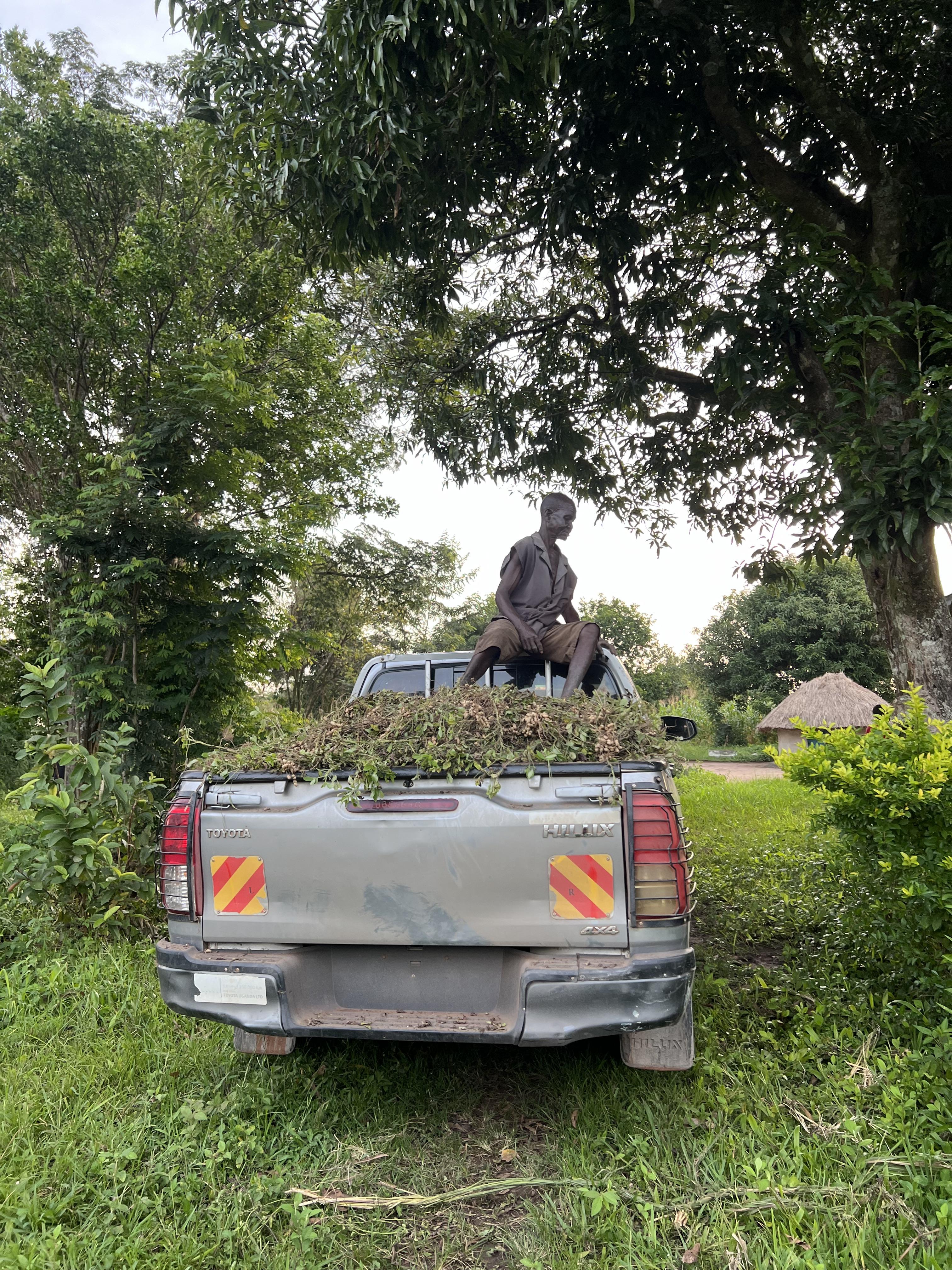
In Northern Uganda, like most other regions of the country, many families practice subsistence farming, meaning the farming they take part in is predominantly done to feed themselves and their families. In villages like the one I lived in, most families have gardens where they plant and grow food in the wet season that will feed their families in the dry season.