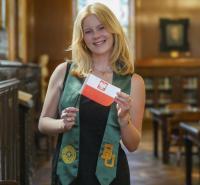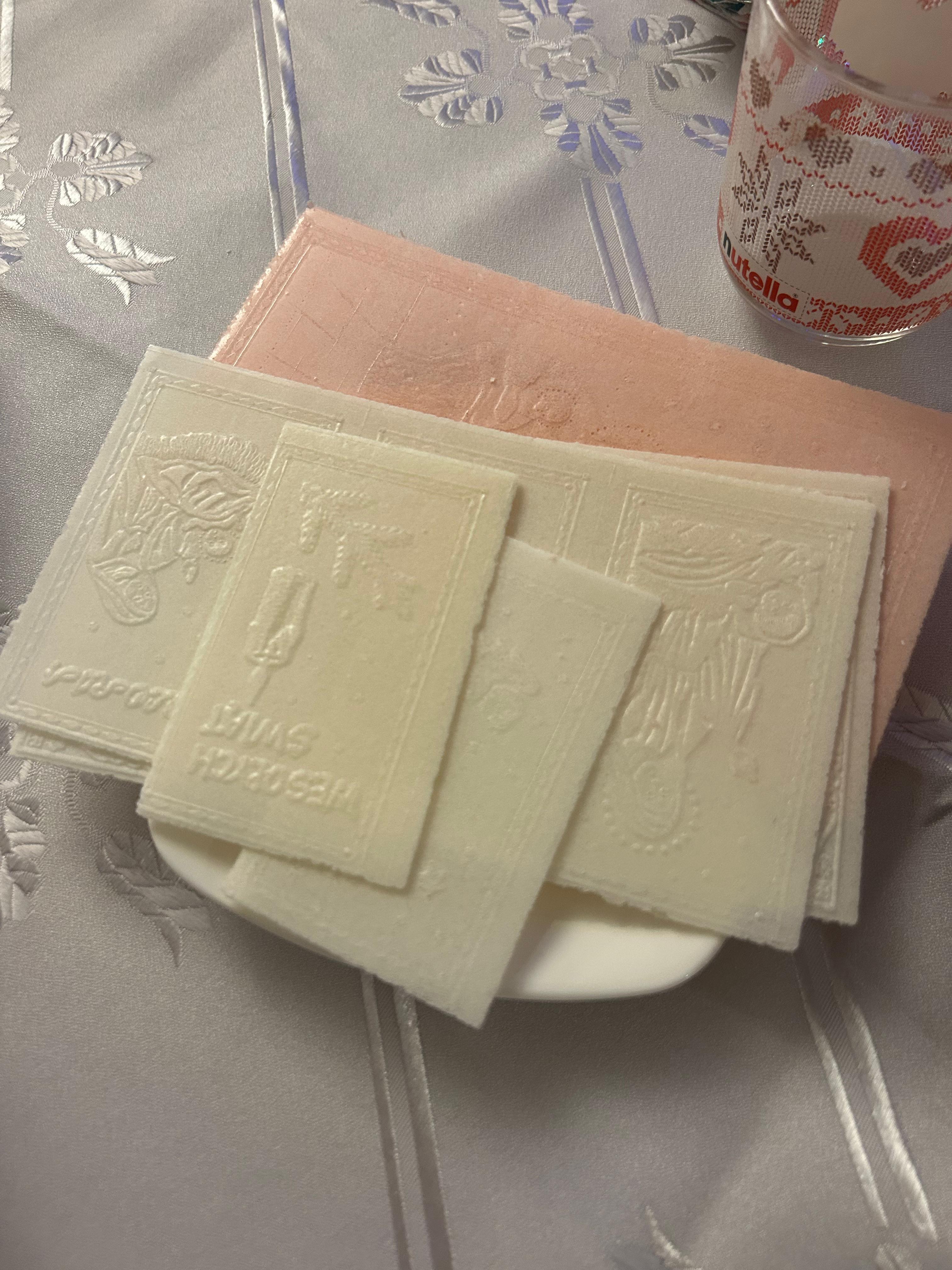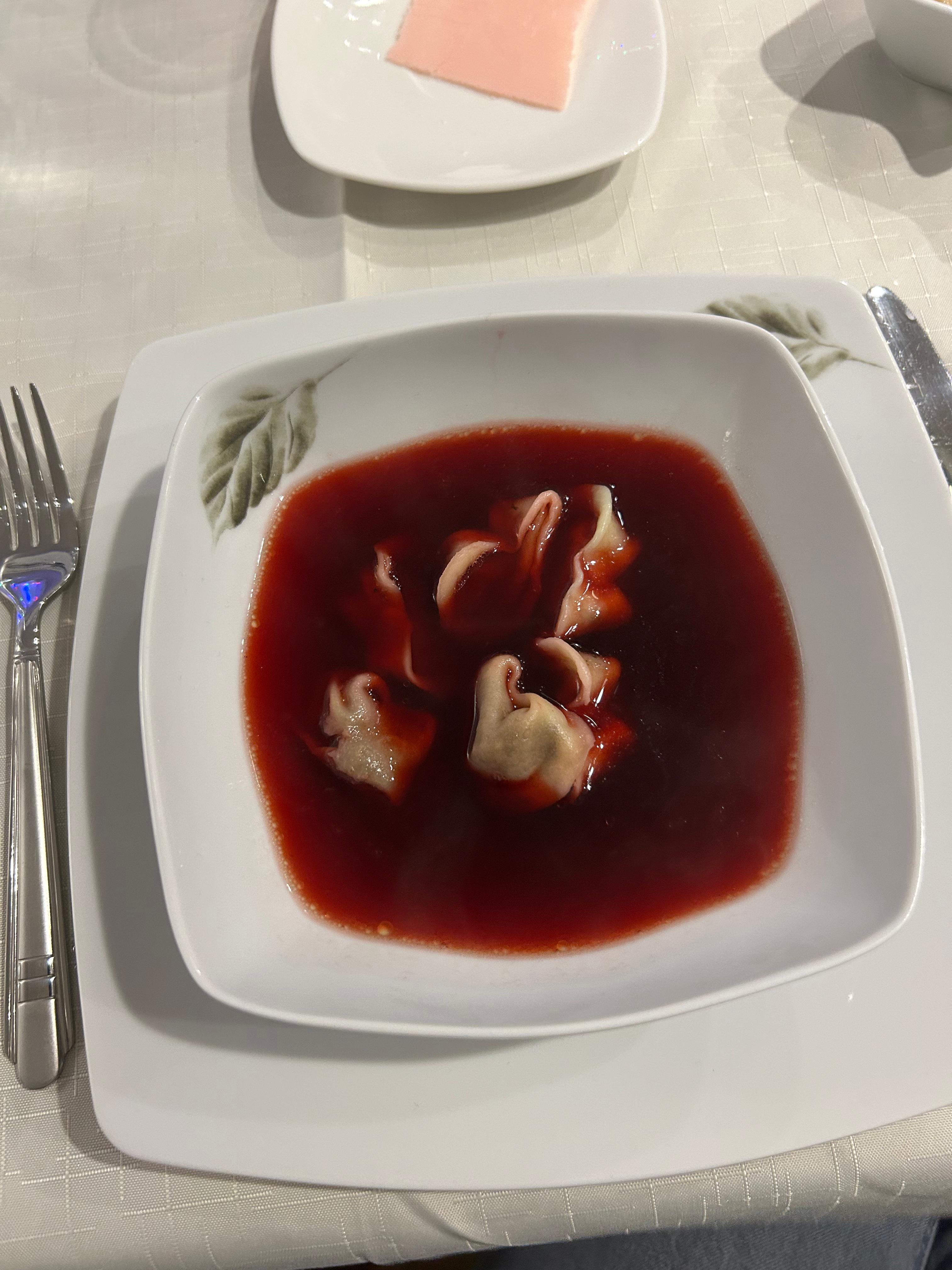
Everyone waits patiently, sometimes peeking out the window, until someone excitedly announces, “It’s time!”. Before eating, families share a thin white wafer called opłatek. Each person breaks a piece from someone else’s wafer, offers kind wishes and sometimes shares hugs or tears. It is a quiet but powerful moment. Then, the dinner includes twelve meatless dishes, representing the twelve apostles. Wigilia is a meatless meal because of Christian tradition that encouraged people to fast before Christmas Day as a way to prepare spiritually for the birth of Jesus. Over time, this practice became a meaningful custom. Common foods include beet soup, dumplings called pierogi, fish (most notably carp), cabbage, mushrooms and poppy seed desserts. Even children know that everyone should try at least a bite of each dish. Also, one extra place is always set at the table. My friends explained that this empty seat is for a guest who may arrive unexpectedly or for someone who cannot be there. It is a reminder that no one should ever be alone on Wigilia.
Wigilia helps families feel close and connected. Poland has a long, complex history with many hard times. For example, Poland still feels the remnants of war and a deep lingering sense of loss. Traditions like Wigilia helped people stay strong and remember what matters most. This tradition teaches values like kindness, generosity and forgiveness. By sharing opłatek, people try to start fresh and be good to one another. The empty chair reminds families to think about others, especially those who are alone. From my friends in Poland, I learned that Wigilia is not about gifts or rushing.