These are truly disasters for the people who still live a nomadic lifestyle, as their lives and livelihoods are tied to their flocks.
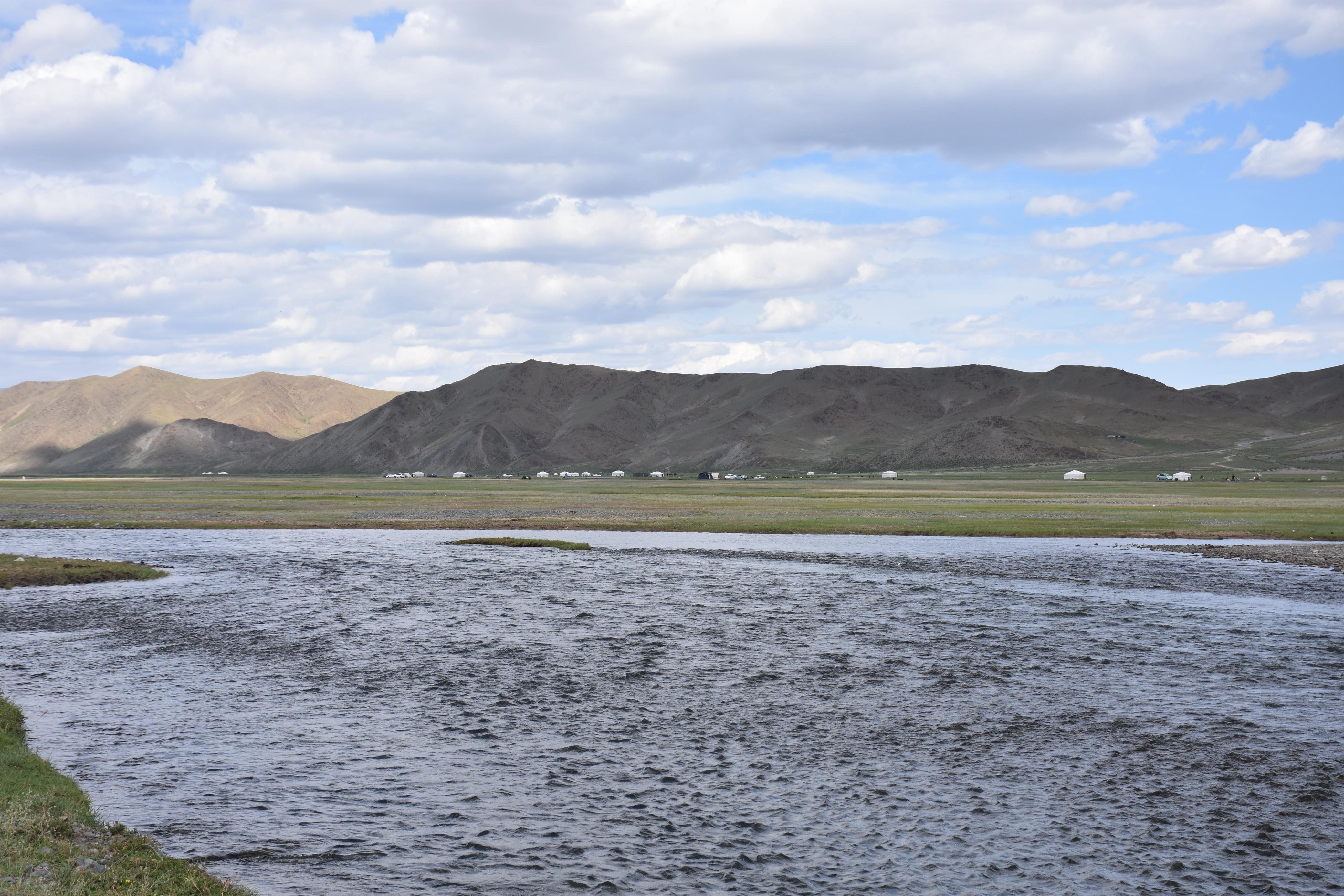
Many Mongolians continue to rely on techniques that have helped them survive this harsh environment for centuries, such as using wool, leather and cashmere clothing; maintaining the traditionally well-insulated ger (nomadic home); and layering up to stay warm. For an example of a modern adaptation, air quality drops dramatically in winter as coal is widely used to heat homes and fill them with warmth, but this coal burning also fills the air with smog and harmful particles. This pollution poses a serious health risk, so it is now common to see people wearing masks during the winter months and using air purifiers at home to help reduce the impact of poor air quality. Although these are temporary solutions, many people are advocating for cleaner energy to reduce this issue long-term.