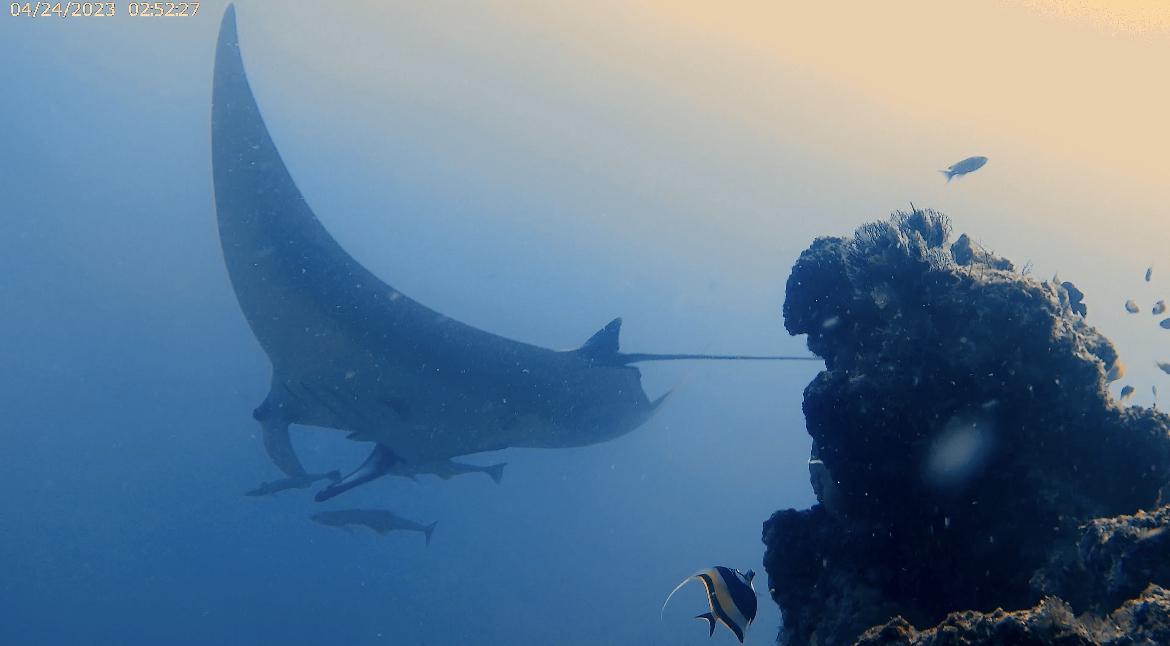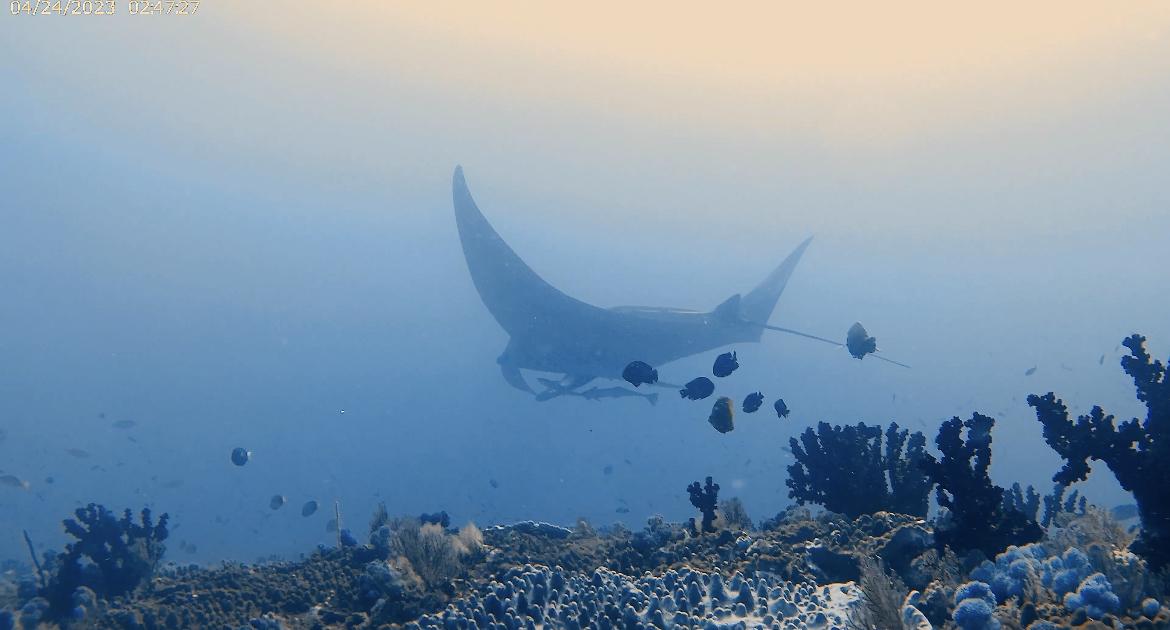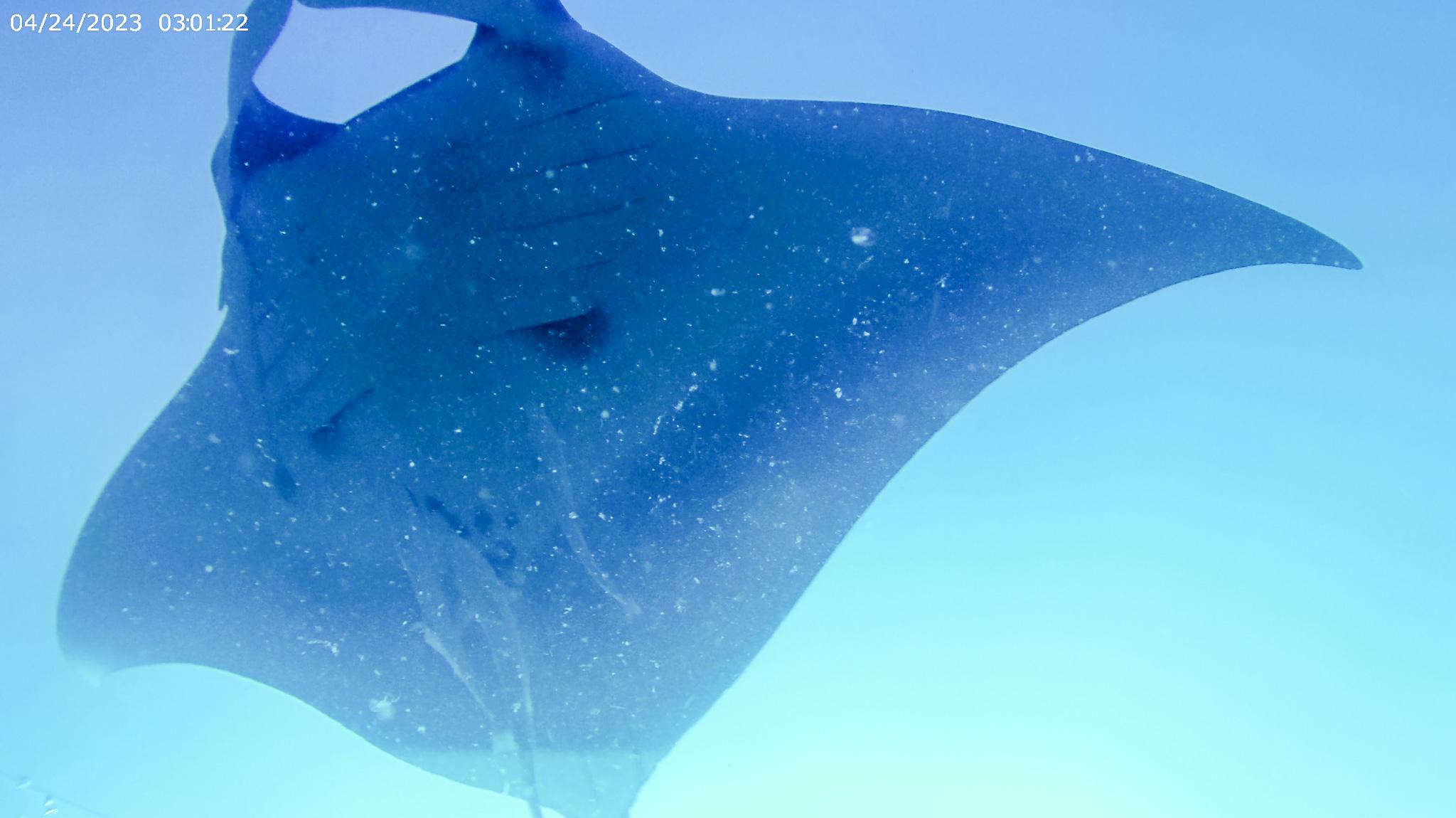
Scientists use photographs of lots of animals to identify individuals. Currently, scientists can track 53 different species using photos. Humans have unique fingerprints that scientists can identify us by, and all these photo-identifiable animals have special features too! For example, for polar bears photographers will look at the whisker dots on the bear's nose to identify a bear, for whales, they look at the tails. Once I learned about the different photo identification projects I knew I wanted to get involved.
My favorite animal is the whale shark, so when I heard that scientists identify them using photos of their spots I wanted to learn as much as I could. I reached out to a researcher in Mozambique that worked with the database of whale shark photos and learned that mainly just researchers submit photos to the database. As a whale shark lover myself (who has been lucky enough to swim with whale sharks before), I knew that a lot of tourists take photos when they swim with the sharks. This made me wonder why the tourists were not submitting their photos to the database. I wanted to figure out how to get more tourists, or citizen scientists, involved! I started writing a research project proposal with help from researchers in Mozambique and an advisor at my old university. I submitted my proposal to the Fulbright Program. The Fulbright Program is run by the United States Department of State and funds research projects around the world. After getting accepted into the Fulbright Program, I made the journey here to Mozambique to begin researching how to get more citizen scientists involved in the conservation of my favorite animal. I am so happy to be using my photography skills to help protect my favorite animals!