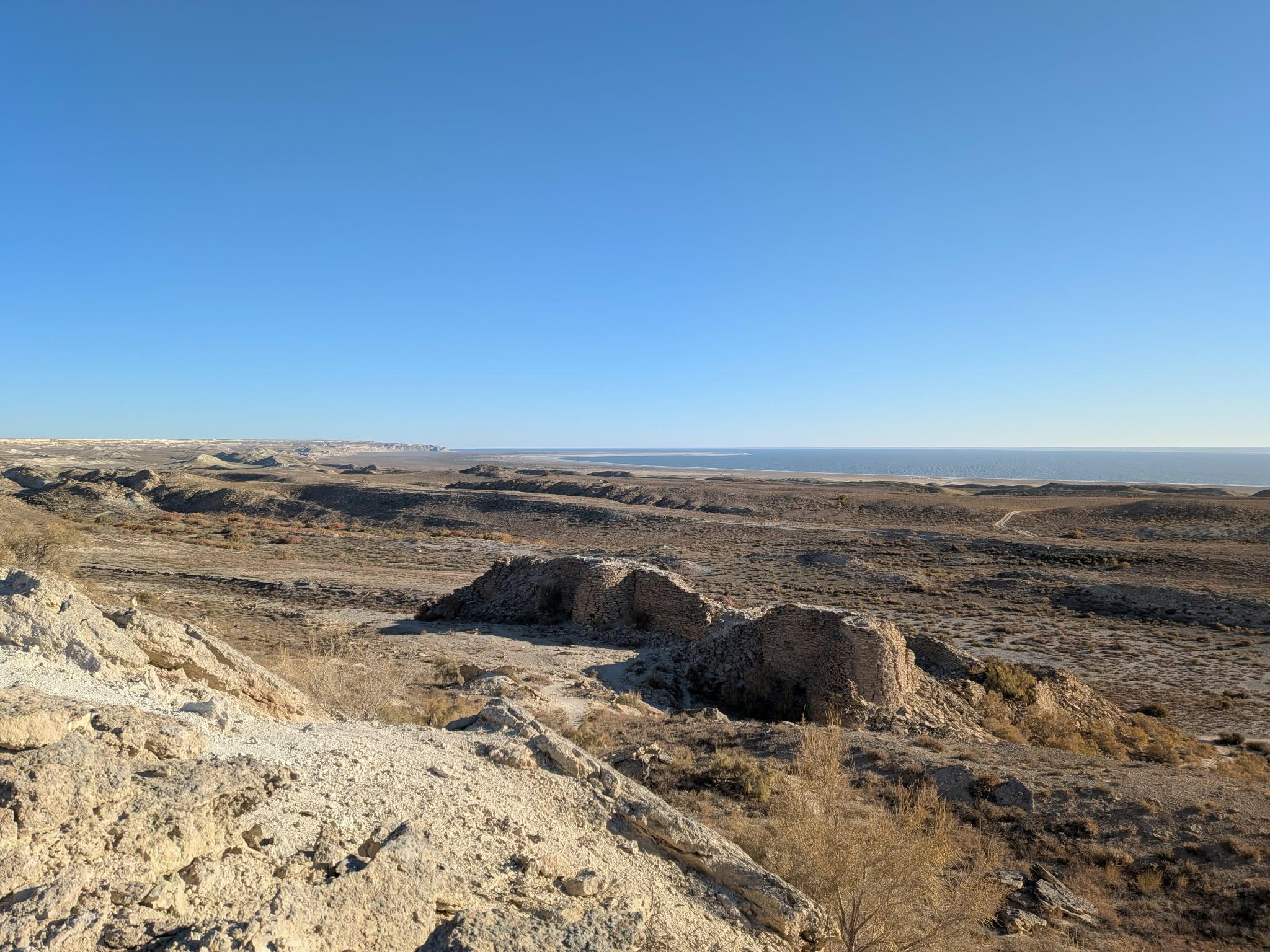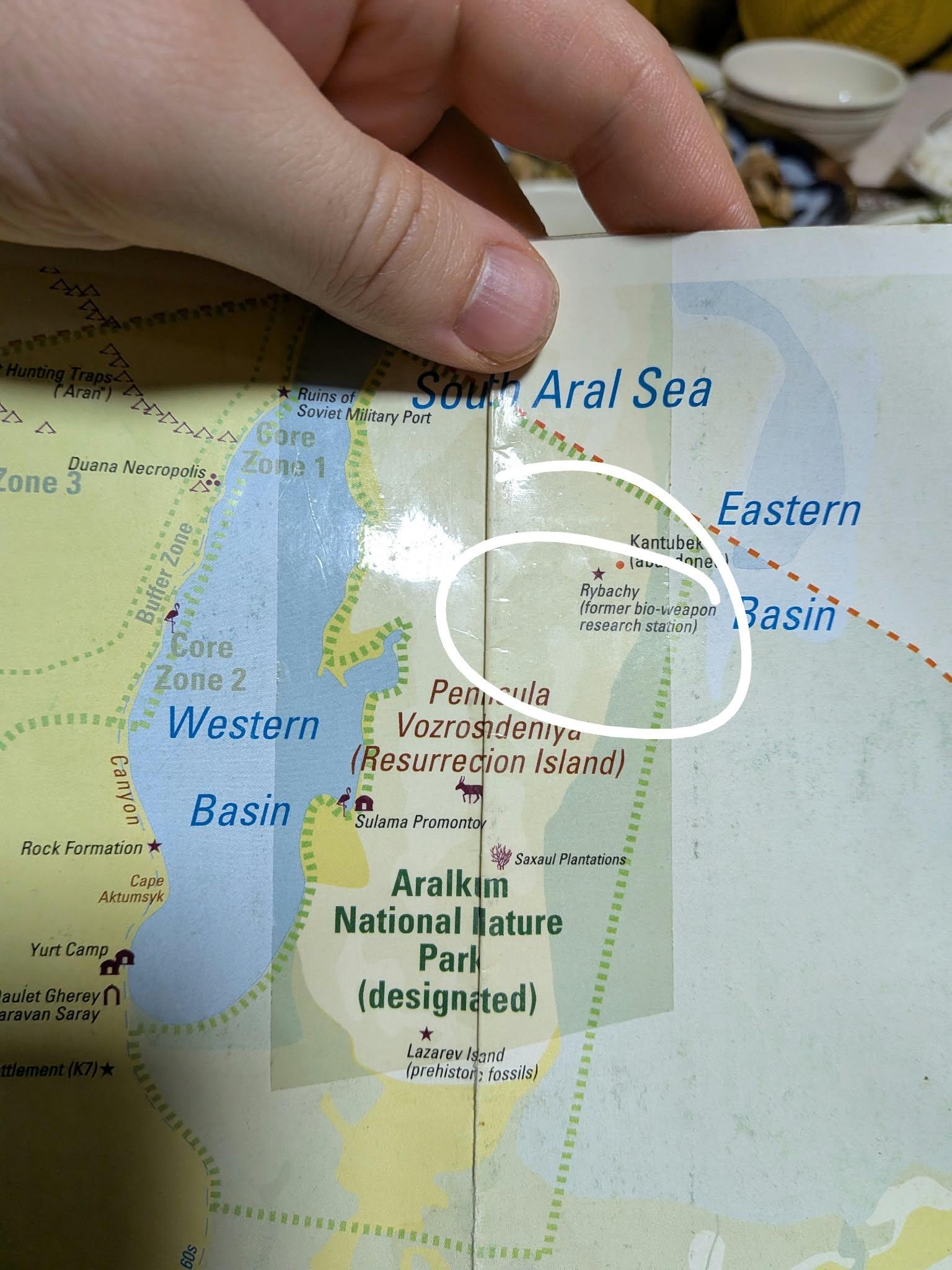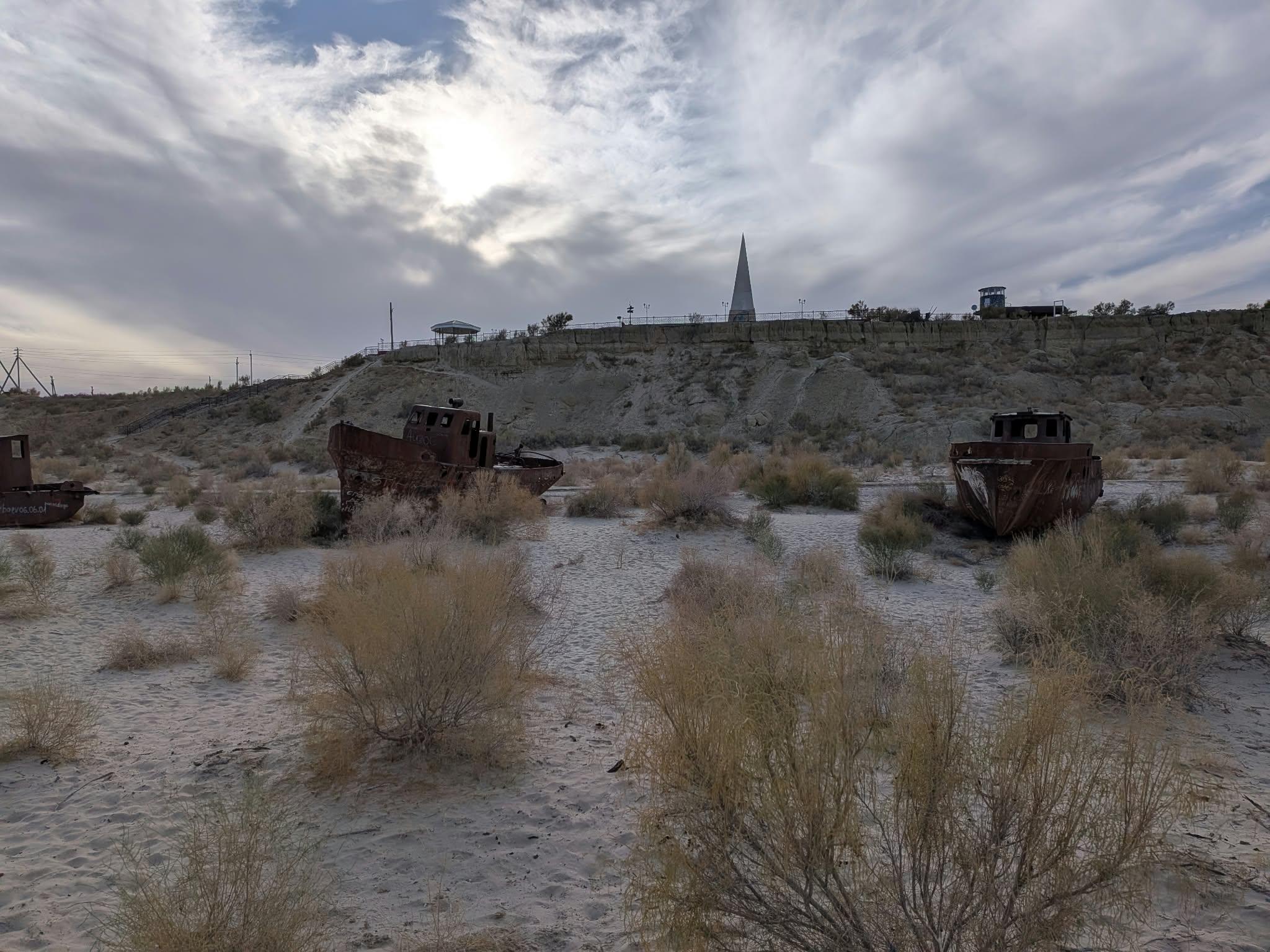
What all the signs and museums fail to mention is that none of this is irreversible. The Aral Sea was killed with forethought, malice, and central state planning by the Soviets, but it doesn’t have to stay dead. Kazakhstan has already done some work on this, channeling more water to their remaining basin and building a dike to stop it escaping to Uzbekistan’s basins. It is possible that Uzbekistan too could fill some irrigation canals, and for the rivers to flow again at something approaching their full might. It would take a few decades, but the waters would rise, the salt levels would drop, and life would return to the sands. It might be hard for the sea to fully recover, but progress could be made. There are some complications—a lot more people live along the Amu Darya and Syr Darya rivers than only sixty years ago, and they need water to live and farm too (and not just grow cotton, but the food that they eat—cotton has been losing its importance to the economy over the past few decades). The oil and natural gas being drilled from where the sea used to be are lucrative. The Aral Sea is dead for now, and will stay dead for the foreseeable future. But as long as there is snow in the Tien Shan and the Pamirs and the Hindu Kush it has the possibility of rising again, humanity’s greatest ecological disaster reversed. The Once and Future Sea.