I visited this past weekend with some friends, curious to see a dead sea, to see a very human tragedy. It lived up to all my expectations—and I was also deeply moved by the beauty of the natural landscape. Our species may have created a disaster, but it doesn’t diminish the beauty of this area, only add solemness to it.
We took a three day package tour with a tour company based in Nukus, the capital of Karakalpakstan, the region of Uzbekistan where the Aral Sea is located. Getting to and from Nukus was the worst part of my journey, involving long rides in ancient Soviet sleeper trains. I arrived in Nukus at 8 AM, and immediately was picked up by the tour guide in a Toyota Land Cruiser. (The Australians have a saying—if you want to drive into the Outback, take a Land Rover. If you want to drive back out of the Outback, take a Land Cruiser. Same goes for the Aral Sea!) We picked up my friends, and we were off!
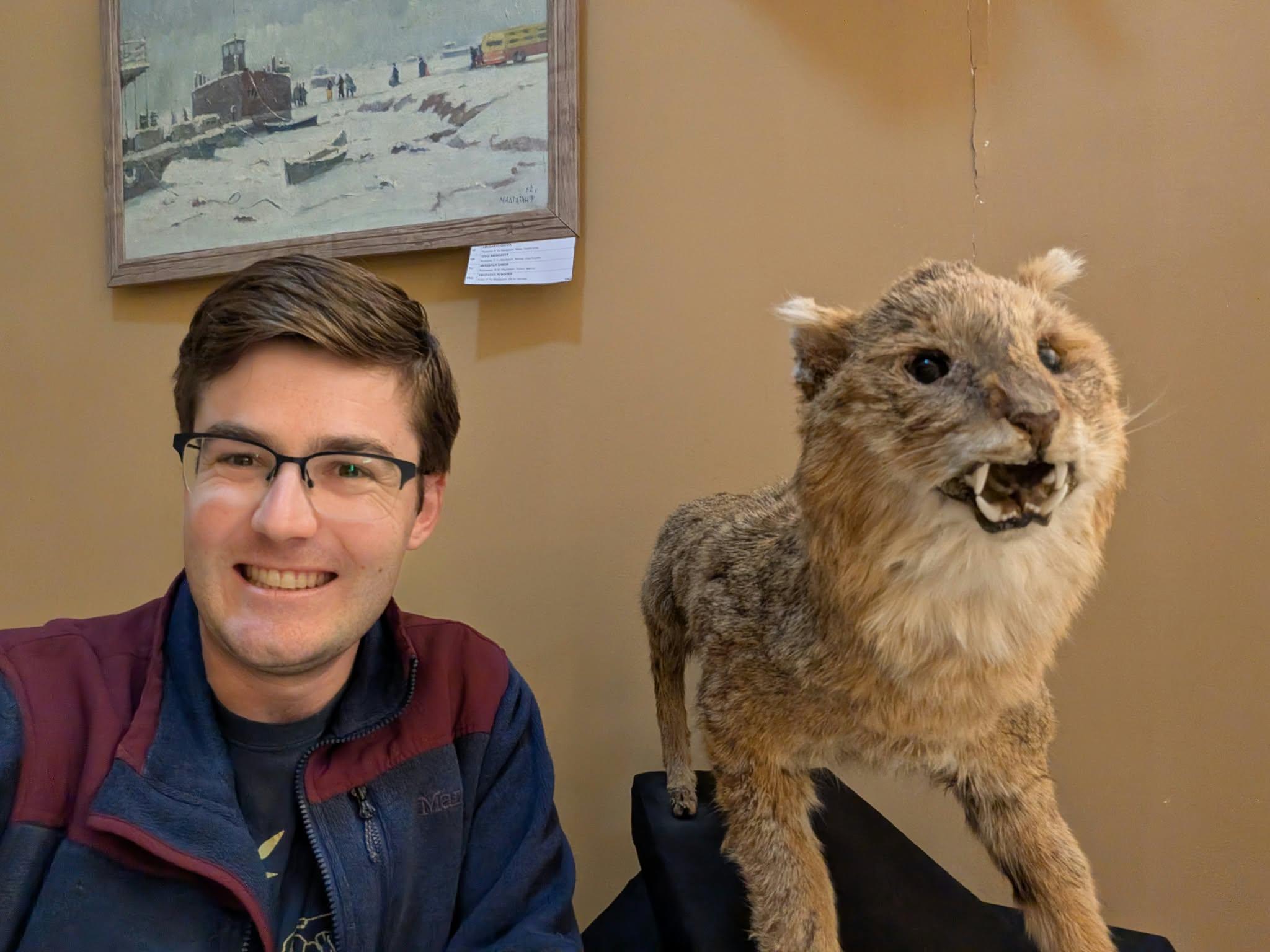
We visited some ancient Zoroastrian ruins and a necropolis, then drove to Moynaq, once a thriving fishing port. Now the sea is dozens of kilometers away, and the fishing boats rust gently in the sand. They call it the Graveyard of Ships. There’s a small museum, with photos of how the sea used to be and creepy taxidermied animals that used to live there. We then drove across the old sea bed for a few hours, passing oil derricks. Now that the sea is gone, it’s easier than ever to drill for oil and natural gas.
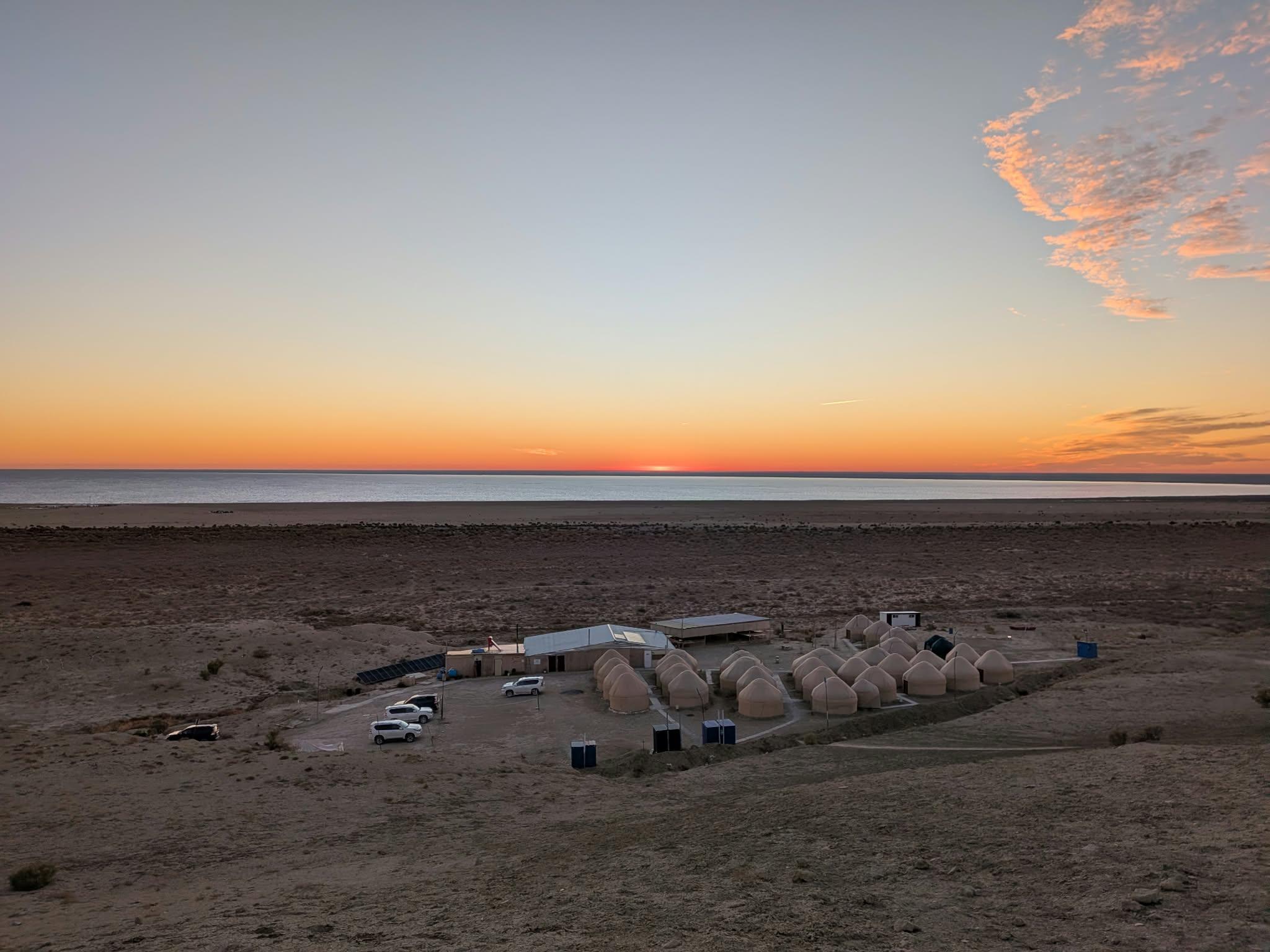
We spent the next two nights in a yurt camp next to one of the remaining basins—a rather fancy one, for foreign tourists (and rich Uzbeks from Tashkent) like ourselves. The food was excellent—chicken plov, chicken soup, and plenty of pickled eggplant salad (one of my favorites).