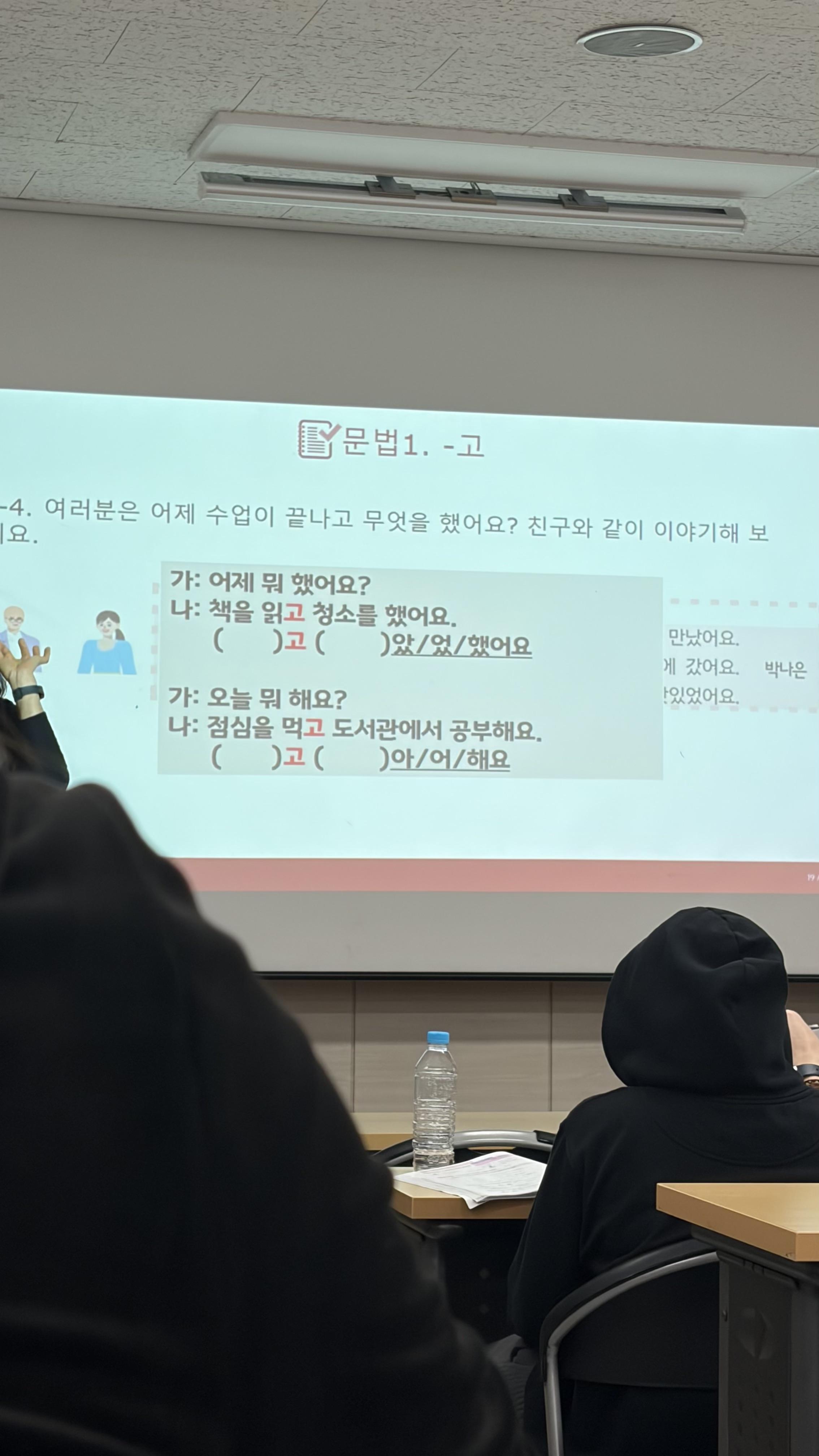
With close friends of the same age, they can use more casual speech called banmal (반말).
These traditions help people feel connected, cared for and respectful of one another. Sharing banchan makes a meal feel like a team effort: everyone gets a taste of lots of different flavors and looks out for each other at the table. Using jondaemal comes from long-standing family values about honoring elders and people with more life experience. Together, sharing food and speaking respectfully help keep families, friend groups and neighborhoods close.
Yes! Both traditions fit right into life in a busy city like Seoul and the foods grown in the region.
In a huge, crowded city where people live close together and ride subways, walk busy streets or study on big college campuses, polite speech like jondaemal helps everyone get along smoothly in shared spaces. Sharing banchan also connects to the local land and seasons. Vegetables, greens and fermented foods like kimchi have long been important parts of meals in Korea, and putting lots of small dishes in the middle of the table makes it easy for a group to share whatever is fresh or ready to eat.