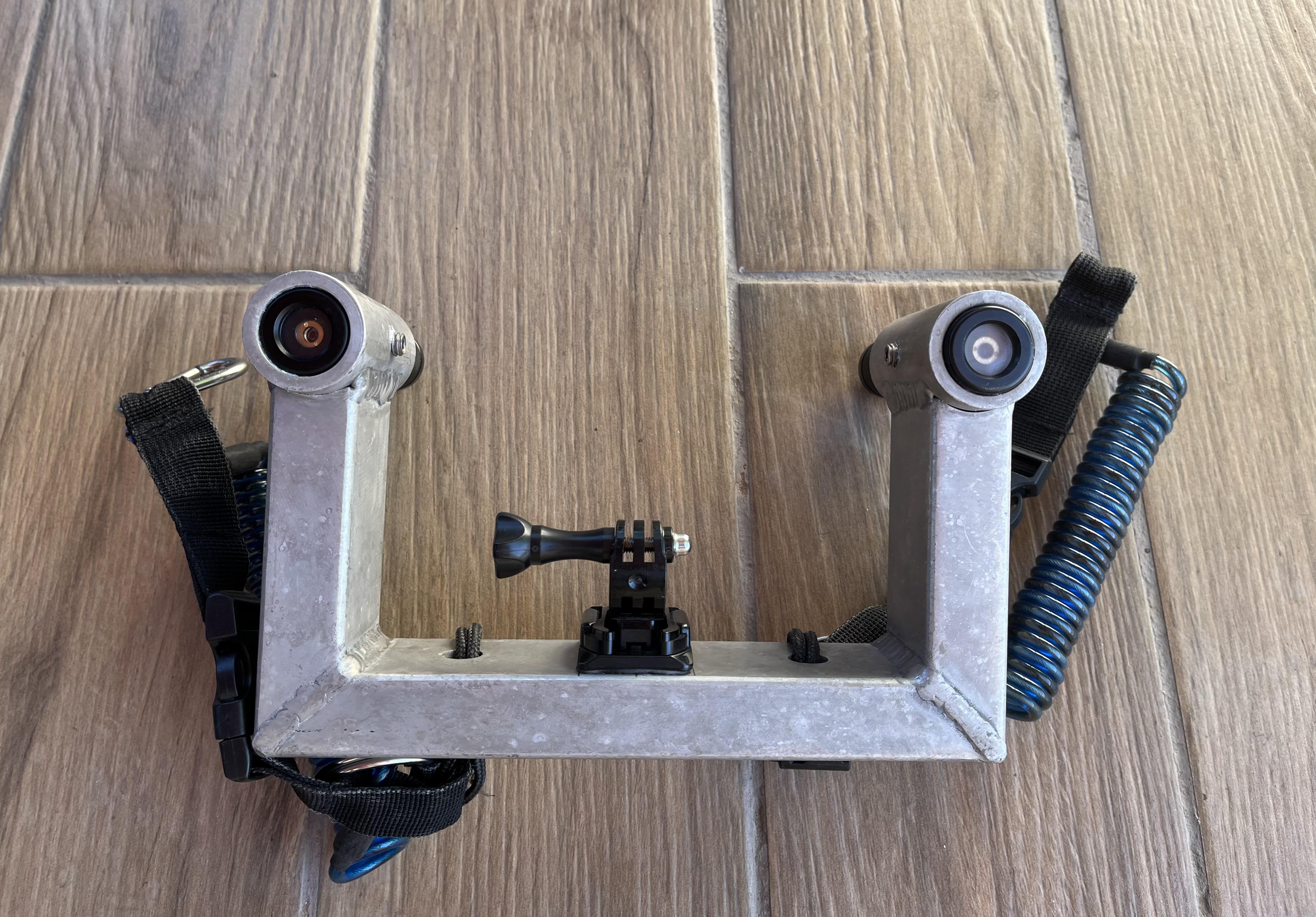
We know the distance between the dots ahead of time, and so when we take a picture with the dots visible, we can determine how big the manta is. Size is especially important in determining the life stage of the manta! It really is true that a picture can be worth a thousand words.
It also helps us to get an idea of the population size of mantas in the Mexican Caribbean Biosphere Reserve, which is important to understand now, especially because that population size could change. Mantas face many threats today including fishing both as bycatch, which means when a fish is caught on accident, and from a targeted fishery, which is when fishers target mantas on purpose. They also spend a lot of time on the surface, like boats, so accidents happen that can severely wound and even kill the mantas. Understanding the population growth or decreases are important to scientists so that we know what kind of actions we need to take, and what rules are either succeeding or failing in protecting the mantas. We can estimate this by identifying individuals. Each manta has a pattern of spots on its belly that are as unqiue to it as your freckles and birth marks are to you! The mantas are born with these spots, and they don't change over it's lifetime. We use this pattern of spots and unique marks to identify who is who.
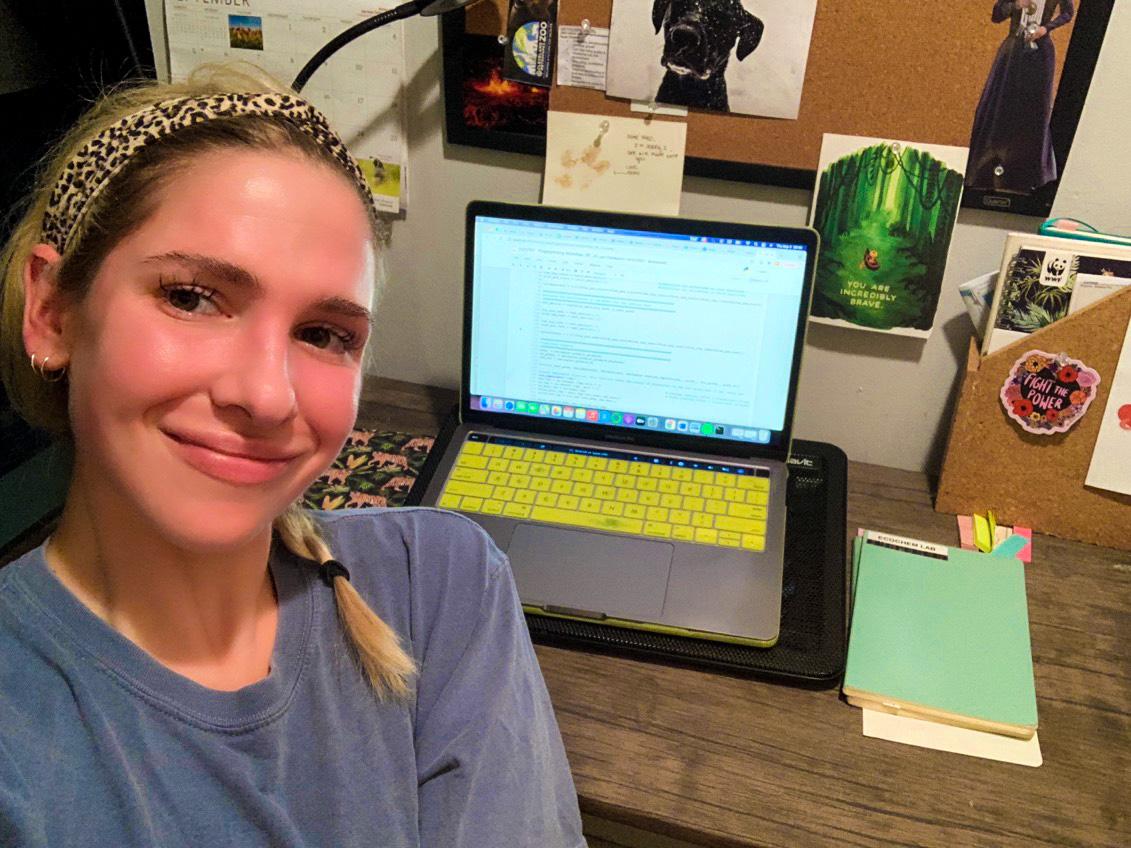
Although I talked a lot about field work, the majority of my work as a scientist happens exactly where I am now; right in front of the computer! The time it takes to analyze data, run statistics, prepare reports, plan for expeditions, fund expeditions, and even just prepare for the field takes way more time than to actually place our receivers and tags and take our photos.