The second reason was that I wanted to immerse myself in a place with so much spirituality and daily ritual. On my way to work, I walk past temples where people do their morning prayers, gates with gods and other icons keeping guard and dogs with tika marks from the most recent festival. Here, I often think about how compatible conservation and religion can be. If we can learn how each species around us is sacred, not just because of the value it provides us but because of its very existence, maybe we can understand how to better be a part of our environment.
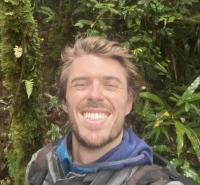
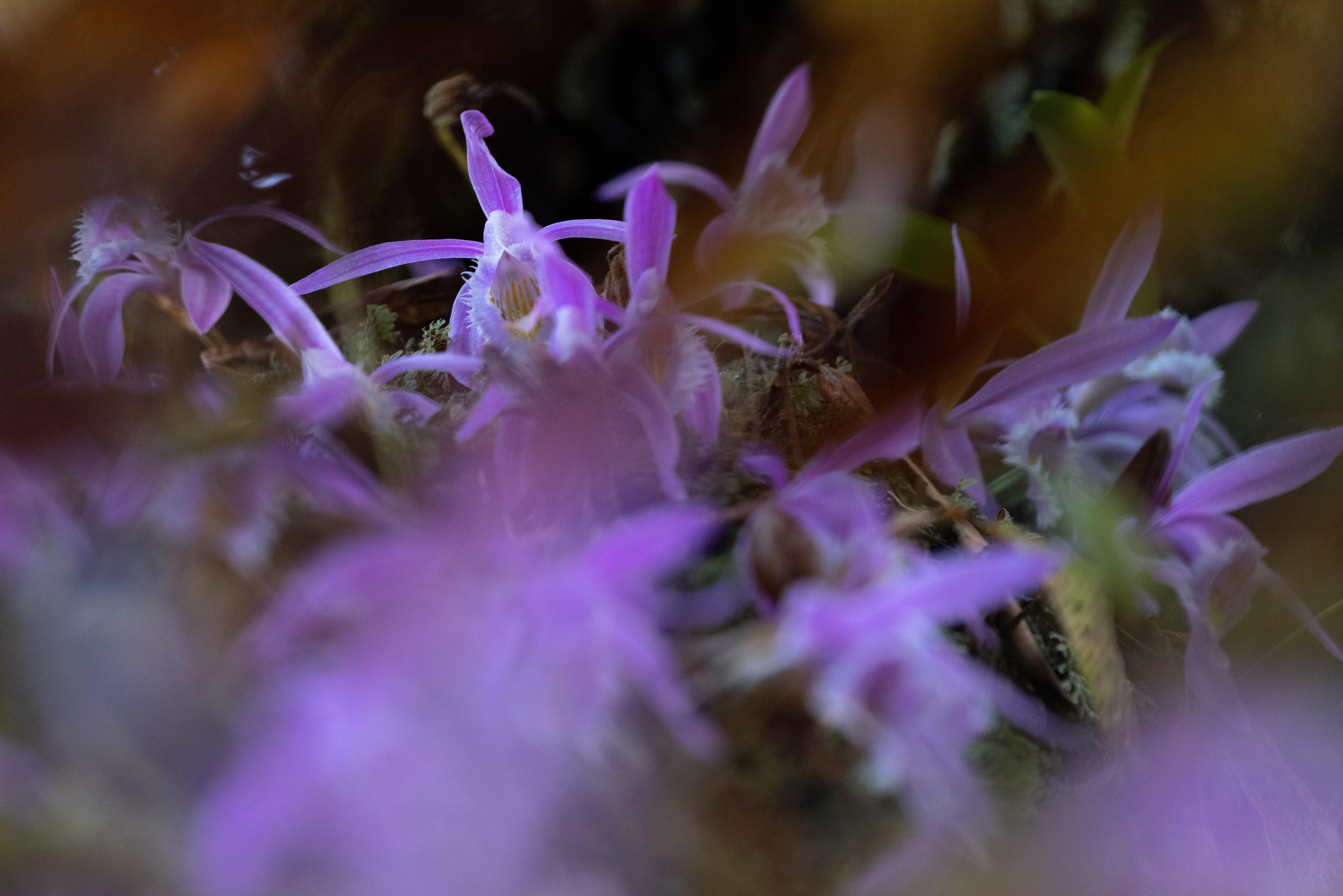
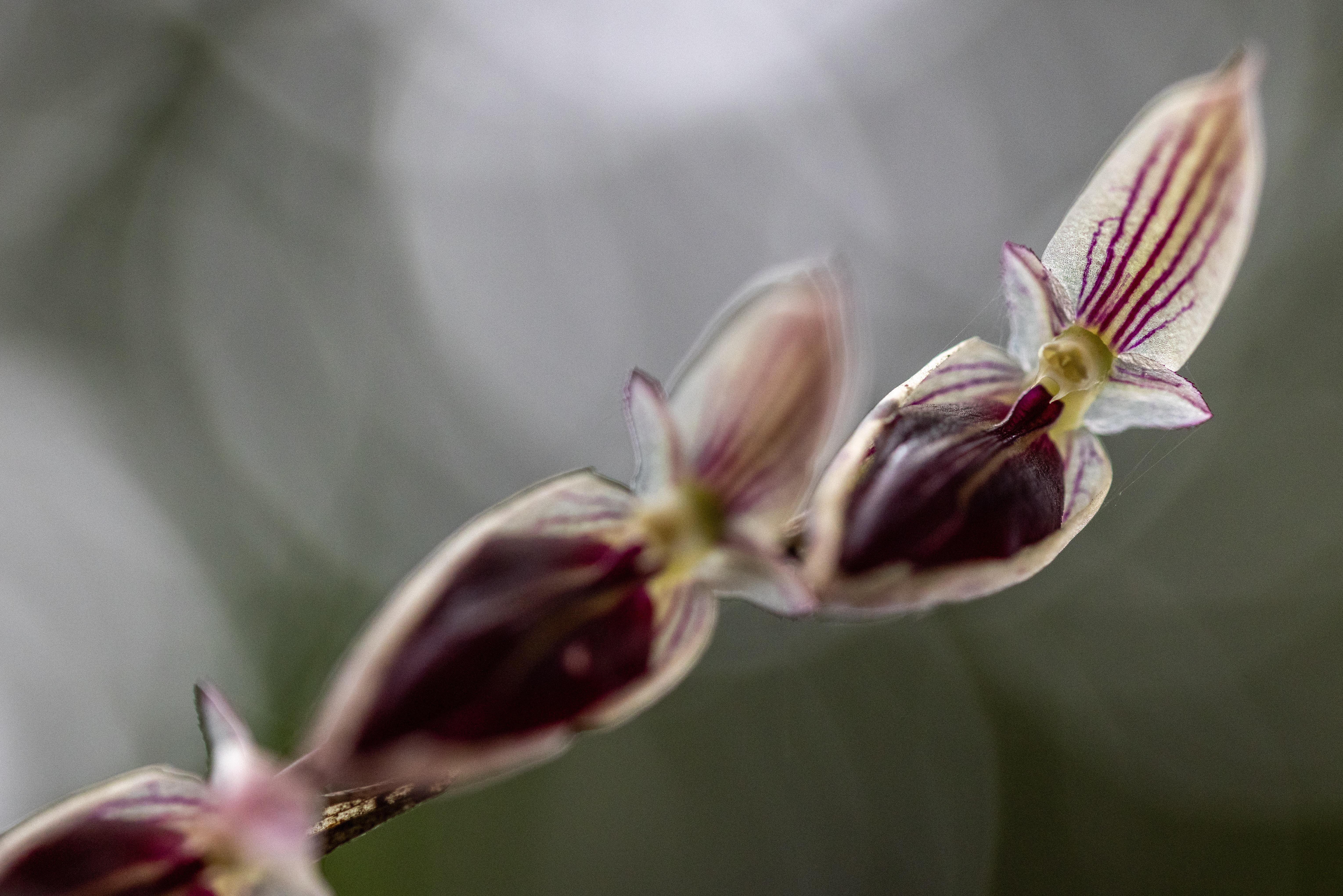
My experience would not be possible without the support of a Fulbright grant. These grants are available to any U.S. citizens with a bachelor's degree, and what I value about them is how open-ended they are – Fulbright grantees design their own research projects, which can even include things like photographing orchid conservation in Nepal! Even if you don't want to pursue a Fulbright, I highly recommend trying to spend some time abroad. Not only will you learn so much about the world in a way that is not always possible in the U.S., but you also will learn about yourself in extremely valuable ways.
I had a great time meeting you all, and hope that you enjoyed learning about Nepal's biodiversity and conservation initiatives. It was fun for me to think about how to make sure my work could connect with a broader audience through engaging with you, and I always enjoyed reading your comments and questions. Thank you to the fantastic Ms. Ball for making this all possible, as well as the Reach The World team, and most importantly all of you students!